
Care Disclaimer: Plant care recommendations are general guidelines based on common growing conditions. Individual results may vary based on your local environment, climate, and care routine. If your plant is toxic, keep it away from children and pets, and consult a veterinarian if accidental ingestion occurs.
1.Fennel — Overview
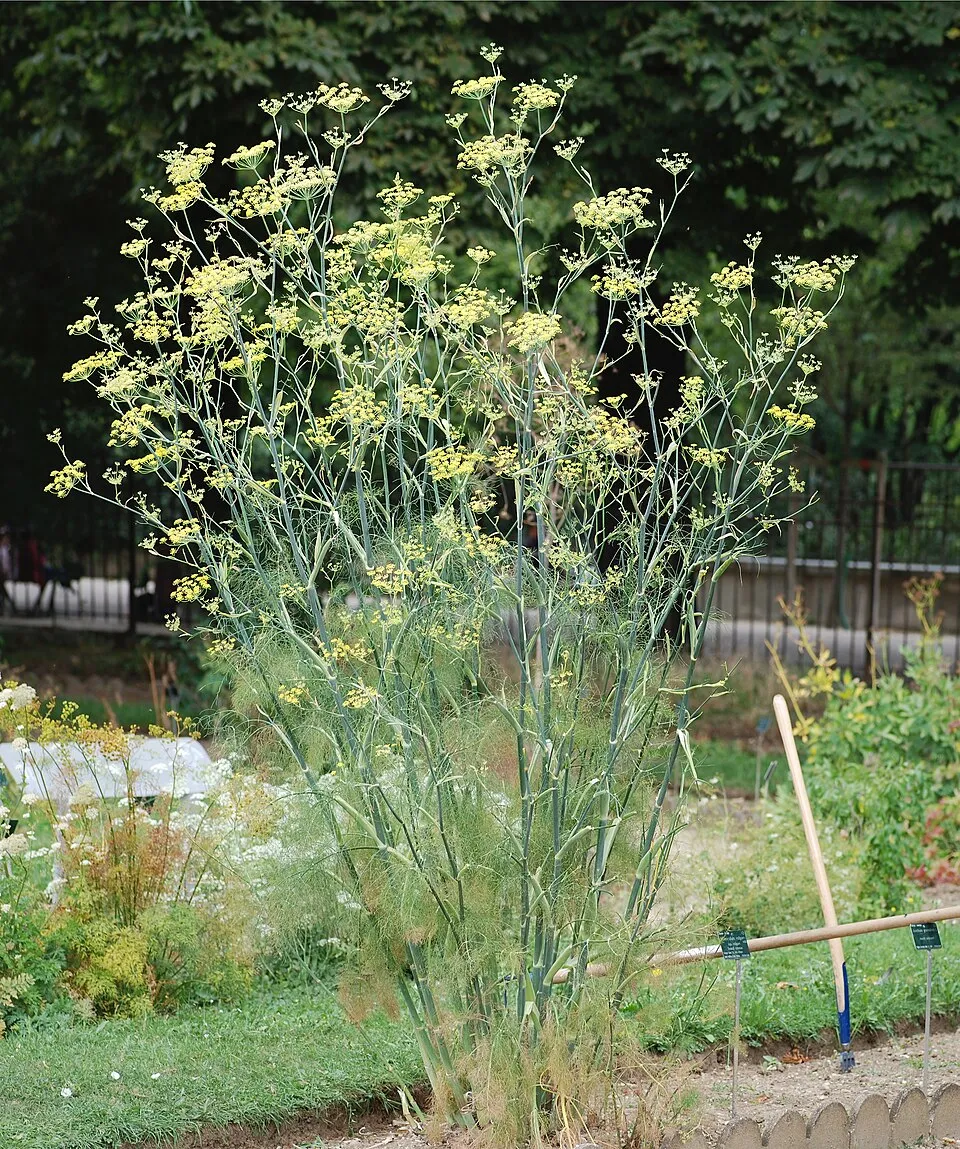
Foeniculum vulgare, universally recognized as Fennel Garden, is a robust perennial herb belonging to the Apiaceae family, also historically known as Umbelliferae. Indigenous to the sun-drenched coastal regions of the Mediterranean, encompassing Southern Europe and North Africa, its cultivation has proliferated globally, highly valued for its distinctive aromatic qualities and significant medicinal properties. Historical accounts indicate its reverence in ancient Egyptian, Greek, and Roman civilizations, where it served both culinary and therapeutic roles. The name 'fennel' itself is rooted in the Latin 'foeniculum,' a diminutive of 'foenum,' meaning hay, likely referencing its appearance when dried or its characteristic scent. Botanically, Foeniculum vulgare presents with finely dissected, feathery dark green leaves, sturdy erect hollow stems, and terminal, flat-topped clusters of small, radiant golden-yellow flowers, forming a classic umbel.
The plant can typically achieve heights of 1 to 2 meters. Its unmistakable anise-like flavor and aroma are primarily attributed to anethole, a phenylpropene compound found in high concentrations within its essential oil. This potent compound is central to its appeal in both gastronomic applications and its extensive use in traditional and modern pharmacognosy. Ancient medicine systems such as Ayurveda, Traditional Chinese Medicine (TCM), and Unani have incorporated fennel for millennia to address a broad spectrum of health concerns, most notably those related to the digestive system. In Ayurveda, it is revered as a carminative and digestive aid, believed to harmonize Pitta and Vata doshas, effectively alleviating conditions like flatulence, indigestion, and infant colic.
TCM refers to fennel as 'Xiao Hui Xiang' and utilizes its warming attributes to regulate Qi, dispel internal cold, and treat stomach discomfort, hernias, and menstrual irregularities. Similarly, Unani medicine prescribes fennel seeds as a stomachic, carminative, and diuretic, often for abdominal distress, to enhance lactation, and in cases of kidney stones. Contemporary scientific inquiry is increasingly validating these historical applications, identifying a rich array of bioactive compounds beyond anethole, including fenchone, estragole, and limonene, contributing to its diverse therapeutic profile. Trusted Scientific References Authoritative external sources for Foeniculum vulgare : Wikipedia — Foeniculum vulgare Kew POWO (Plants of the World Onlin ...[CURRENT TEXT EXISTS: 2583 chars]
1.1.Fennel — Key Features
- ✓ <strong>Anise</strong> — like Aroma and Flavor — Distinctive sweet, licorice-like taste primarily from anethole.
- ✓ <strong>Feathery Foliage</strong> — Finely dissected, dark green leaves giving a delicate appearance.
- ✓ <strong>Golden</strong> — Yellow Umbel Flowers — Characteristic flat-topped flower clusters of the Apiaceae family.
- ✓ <strong>Carminative Properties</strong> — Highly effective in alleviating gas, bloating, and indigestion.
- ✓ <strong>Galactagogue</strong> — Traditionally used to promote milk production in nursing mothers.
- ✓ <strong>Antimicrobial Activity</strong> — Essential oil demonstrates efficacy against various pathogens.
- ✓ <strong>Estrogenic Activity</strong> — Anethole contributes to mild estrogenic effects.
- ✓ <strong>Mediterranean Origin</strong> — Native to Southern Europe and North Africa, thriving in warm climates.
- ✓ <strong>Nutrient</strong> — Rich — Contains dietary fiber, vitamins (C), and minerals (potassium, calcium).
- ✓ <strong>Culinary Versatility</strong> — Bulb, leaves, and seeds are widely used in cooking worldwide.
1.2.Fennel — Quick Summary
- ✓ Versatile perennial herb with anise-like flavor and aroma.
- ✓ Renowned for its carminative and digestive aid properties.
- ✓ Rich in anethole, fenchone, flavonoids, and phenolic acids.
- ✓ Traditionally used as a galactagogue and for respiratory issues.
- ✓ Requires caution for hormone-sensitive conditions and in high doses.
- ✓ Cultivated globally for culinary, medicinal, and aromatic applications.
2.Fennel — Scientific Identity
3.Fennel — Quick Facts
4.Fennel — Appearance & Identification
5.Fennel — Native Habitat
6.Fennel — Water Requirements
- ✓ Climate Preference — Fennel thrives in full sun and prefers warm, temperate climates, reminiscent of its Mediterranean origins.
- ✓ Soil Requirements — It requires well-drained, fertile soil with a pH between 6.0 and 7.0. Amending heavy clay soils with organic matter is beneficial.
- ✓ Propagation — Typically grown from seeds, which can be sown directly outdoors in spring after the last frost or started indoors 4-6 weeks prior.
- ✓ Watering — Consistent moisture is crucial, especially during germination and early growth. Avoid waterlogging but do not let the soil dry out completely.
- ✓ Spacing — Plant seeds or seedlings about 15-30 cm apart in rows, allowing ample space for the bulb to develop if growing for culinary use.
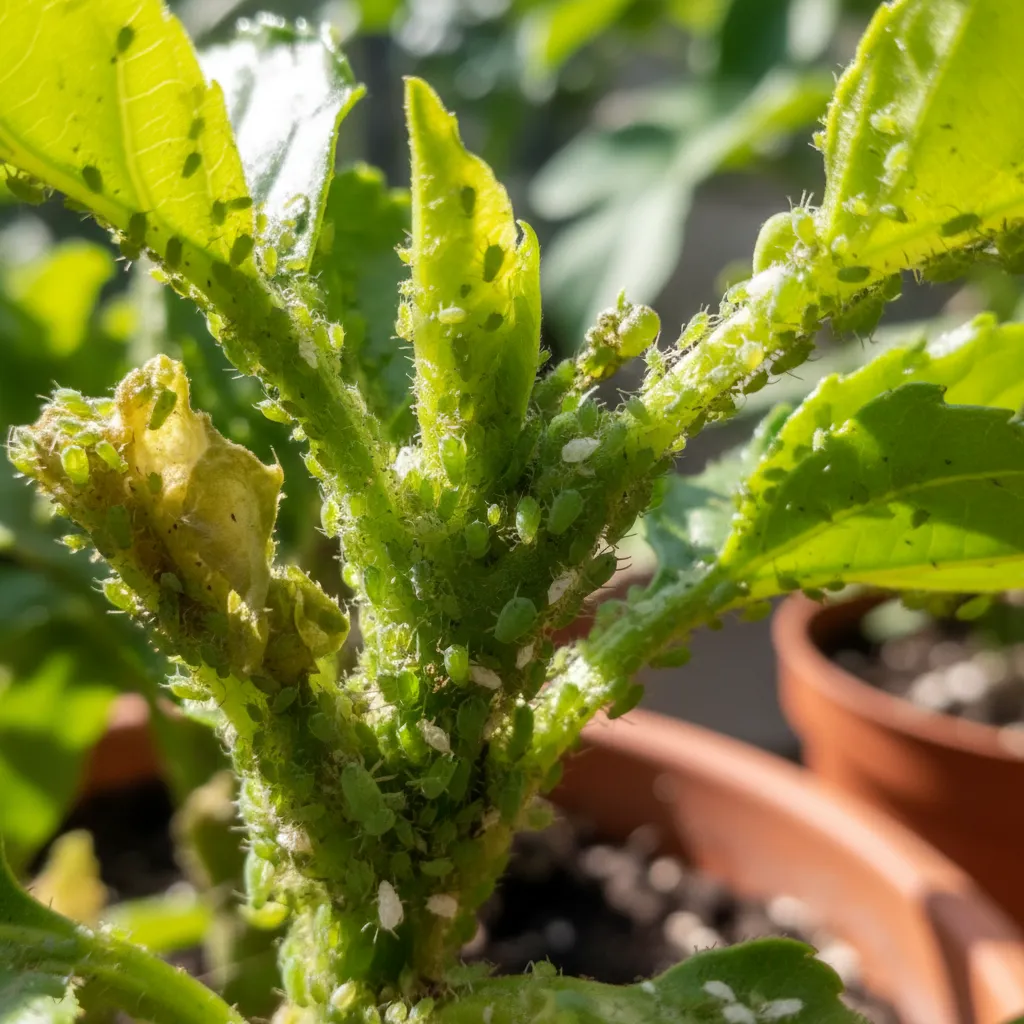
- ✓ Pest and Disease Management — Generally resistant to most pests, but watch for aphids. Good air circulation helps prevent fungal diseases.
- ✓ Harvesting — Leaves can be harvested as needed. Bulbs are ready when they reach desired size. Seeds are collected when flowers dry and turn brown, typically in late summer or early autumn.
- ✓ Fertilization — A balanced organic fertilizer can be applied at planting and again mid-season to support vigorous growth.
Reviewed by the Flora Medical Global Botanical Review Panel
Multi-disciplinary editorial group · Botany · Ethnobotany · Herbal-medicine literature
Who reviewed this: This page was checked by the Flora Medical Global Botanical Review Panel — an in-house editorial group of botany graduates, ethnobotany researchers, and horticulture practitioners who collectively maintain our 7,000+ plant encyclopedia. Meet the team.
Our 4-step verification process
1. Taxonomic verification
Scientific names and synonyms cross-checked against Kew POWO, World Flora Online, and The Plant List.
2. Phytochemical & medicinal cross-reference
Active compounds, traditional uses, and reported activities are cross-referenced with PubMed, USDA Dr. Duke's database, and peer-reviewed ethnobotanical literature.
3. Conservation & distribution check
Distribution, ecology, and conservation status confirmed against GBIF occurrence records and the IUCN Red List.
4. Editorial & safety review
Every entry passes an editorial pass for clarity, originality, and safety notices (toxicity, contraindications, dosage caveats) before publication.
Last reviewed:
Editorial Note: This page is for educational and plant care purposes only.
Written by: Flora Medical Global Editorial Team
Reviewed by: Flora Medical Global Botanical Review Panel
Last Updated: June 16, 2026







Fennel — Comments & Community Reviews
Rate this plant