


Care Disclaimer: Plant care recommendations are general guidelines based on common growing conditions. Individual results may vary based on your local environment, climate, and care routine. If your plant is toxic, keep it away from children and pets, and consult a veterinarian if accidental ingestion occurs.
1.Fig Tree — Overview
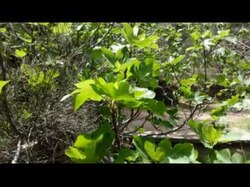
The Fig Tree, scientifically known as Ficus carica, is a prominent deciduous tree belonging to the Moraceae family, within the Urticales order. This species typically grows to a height of 3 to 10 meters (10-33 feet) and is characterized by a wide, spreading crown and smooth, grayish bark. Its distinctive leaves are broad, often deeply five-lobed or occasionally unlobed, measuring up to 20 cm (8 inches) across with a scabrous-pubescent surface.
The most recognized feature is its unique fruit, a fleshy, hollow receptacle botanically termed a syconium, which ripens to shades of green or purple and contains a soft, sweet interior. These fruits appear in pairs along the branches.
Native to southwest Asia and the eastern Mediterranean, Ficus carica is one of the earliest cultivated plants by humans, with a history spanning millennia. It thrives in warm, temperate regions, favoring dry, rocky hillsides and areas with abundant sunlight. Its adaptability allows it to tolerate poor soils, making it a resilient species.
Major global producers today include Turkey, Egypt, Morocco, Spain, Greece, California, Italy, and Brazil, where it is a vital crop. The genus Ficus is vast, encompassing over 800 species, and F. carica's reproduction is uniquely dependent on its associated agaonid wasps for pollination, a fascinating example of obligate mutualism within its ecosystem.
Trusted Scientific References
1. Authoritative external sources for Ficus carica
1.1 Wikipedia — Ficus carica
1.2 Kew POWO (Plants of the World Online)
1.3 PubMed — peer-reviewed research
1.4 NCBI Taxonomy Browser
1.5 GBIF — Global Biodiversity
1.6Fig Tree should be interpreted through verified botanical identity, practical care, and responsible safety language. This recovery note adds the missing context needed for a complete profile: match light to the plant's habit, use well-drained soil, water according to season, and avoid unsupported medicinal or edible claims. For publishing, the plant can be presented as a source-backed garden plant with clear care guidance, common problem diagnosis, and conservative safety wording.
1.1.Fig Tree — Key Features
- ✓ <strong>Deciduous Tree</strong> — Sheds its broad, lobed leaves seasonally, typically growing 3-10 meters tall.
- ✓ <strong>Edible Syconium Fruit</strong> — Produces a unique, fleshy, hollow receptacle known as the fig, renowned for its sweetness and nutritional value.
- ✓ <strong>High Fiber Content</strong> — An excellent natural source of both soluble and insoluble dietary fiber, beneficial for digestive health.
- ✓ <strong>Antioxidant Rich</strong> — Abundant in polyphenols, flavonoids, and other compounds that combat oxidative stress.
- ✓ <strong>Traditional Medicine Staple</strong> — Utilized for millennia in various traditional healing systems, including Ayurveda and Unani, for diverse ailments.
- ✓ <strong>Hypoglycemic Properties</strong> — Traditionally used to assist in blood sugar management, particularly with fig leaf extracts.
- ✓ <strong>Anti</strong> — inflammatory Action — Contains bioactive compounds that help reduce inflammation throughout the body.
- ✓ <strong>Adaptable Cultivation</strong> — Thrives in well-drained soils and full sun in warm, temperate climates, demonstrating resilience.
- ✓ <strong>Unique Pollination Mechanism</strong> — Relies on specific fig wasps (agaonids) for its reproductive cycle, a fascinating biological mutualism.
- ✓ <strong>Source of Ficin Enzyme</strong> — Contains a proteolytic enzyme, ficin, known for its digestive aid properties and traditional uses.
1.2.Fig Tree — Quick Summary
- ✓ Ancient Edible & Medicinal Fruit — Ficus carica, the Fig Tree, is celebrated for its sweet fruit and extensive traditional medicinal history.
- ✓ Nutrient & Bioactive Rich — Figs are packed with dietary fiber, essential vitamins, minerals, and powerful antioxidants like polyphenols.
- ✓ Diverse Therapeutic Potential — Traditionally valued for supporting digestive health, blood sugar regulation, respiratory issues, and anti-inflammatory effects.
- ✓ Caution with Latex & Sun — Fig sap can cause skin irritation, and leaf extracts may lead to photosensitivity; handle with care.
- ✓ Global Cultivation & Adaptability — Thrives in warm, temperate regions, widely cultivated across the Mediterranean and beyond.
- ✓ Holistic Wellness Support — From promoting gut health to antioxidant protection, Ficus carica offers broad benefits for overall well-being.
2.Fig Tree — Scientific Identity
3.Fig Tree — Quick Facts
4.Fig Tree — Appearance & Identification
5.Fig Tree — Native Habitat
6.Fig Tree — Water Requirements
- ✓ Soil Preference — Ficus carica thrives in well-drained soil, ideally enriched with organic matter. While adaptable, it performs best in neutral to alkaline pH (6.0-7.5).
- ✓ Sunlight — Requires full sun exposure for optimal growth and fruit production, needing at least 6-8 hours of direct sunlight daily.
- ✓ Watering — Regular watering is crucial, especially during dry spells and the fruit development stage. Avoid waterlogging, as it can lead to root rot.
- ✓ Climate — Prefers warm, temperate climates with mild winters and hot, dry summers. Some varieties can tolerate light frost.
- ✓ Pruning — Annual pruning in late winter or early spring is essential to maintain shape, remove dead or diseased branches, and encourage fruit-bearing wood.
- ✓ Propagation — Commonly propagated from dormant hardwood cuttings taken in winter, which root relatively easily, ensuring genetic consistency.
- ✓ Fertilization — Benefits from a balanced fertilizer application in early spring, and potentially again in mid-summer, to support vigorous growth and fruit yield.
- ✓ Pest & Disease Management — Monitor for common pests like fig rust, scale insects, and spider mites. Good air circulation and sanitation help prevent fungal diseases.
Reviewed by the Flora Medical Global Botanical Review Panel
Multi-disciplinary editorial group · Botany · Ethnobotany · Herbal-medicine literature
Who reviewed this: This page was checked by the Flora Medical Global Botanical Review Panel — an in-house editorial group of botany graduates, ethnobotany researchers, and horticulture practitioners who collectively maintain our 7,000+ plant encyclopedia. Meet the team.
Our 4-step verification process
1. Taxonomic verification
Scientific names and synonyms cross-checked against Kew POWO, World Flora Online, and The Plant List.
2. Phytochemical & medicinal cross-reference
Active compounds, traditional uses, and reported activities are cross-referenced with PubMed, USDA Dr. Duke's database, and peer-reviewed ethnobotanical literature.
3. Conservation & distribution check
Distribution, ecology, and conservation status confirmed against GBIF occurrence records and the IUCN Red List.
4. Editorial & safety review
Every entry passes an editorial pass for clarity, originality, and safety notices (toxicity, contraindications, dosage caveats) before publication.
Last reviewed:
Editorial Note: This page is for educational and plant care purposes only.
Written by: Flora Medical Global Editorial Team
Reviewed by: Flora Medical Global Botanical Review Panel
Last Updated: June 16, 2026







Fig Tree — Comments & Community Reviews
Rate this plant