

Care Disclaimer: Plant care recommendations are general guidelines based on common growing conditions. Individual results may vary based on your local environment, climate, and care routine. If your plant is toxic, keep it away from children and pets, and consult a veterinarian if accidental ingestion occurs.
1.Fragaria Vesca — Overview
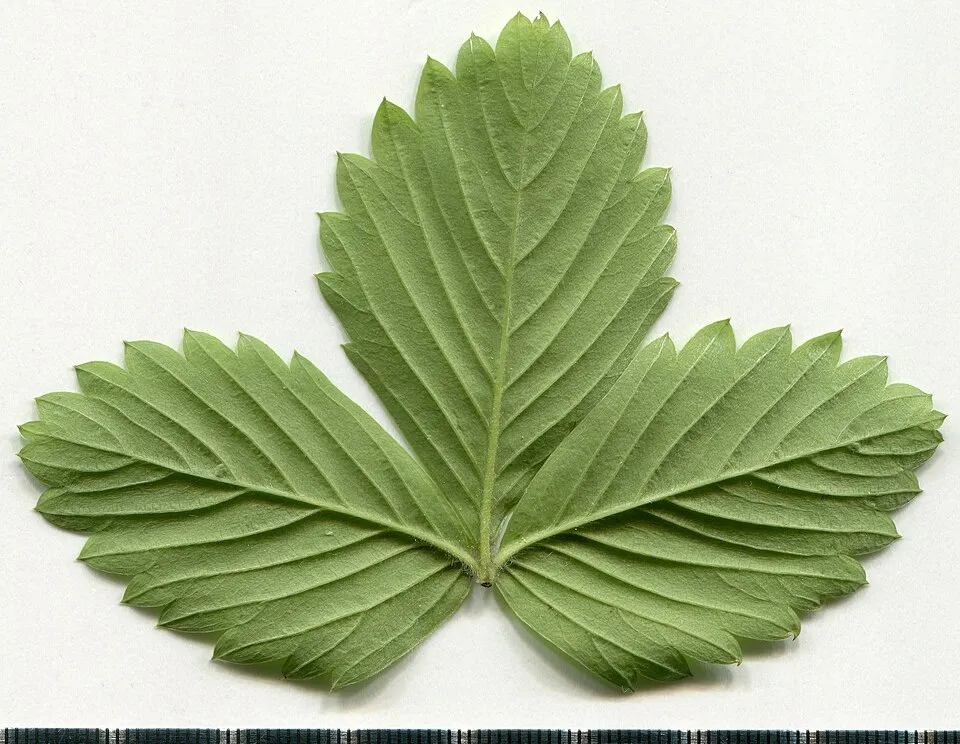
Fragaria vesca, widely recognized as the wild strawberry, woodland strawberry, or Alpine strawberry, is a charming perennial herbaceous plant belonging to the distinguished Rosaceae family. This low-growing species typically reaches a height of 20–30 cm, characterized by its distinctive trifoliate leaves, each composed of three heart-shaped, serrated leaflets. Its slender stems are often covered in fine hairs, adding to its delicate appearance.
The plant produces small, elegant white to pale pink flowers, each with five petals, which eventually give way to its most cherished feature: the small, conical, bright red, and intensely aromatic berries. These fleshy fruits are among the first to ripen in temperate growing seasons, offering a sweet and distinct flavor.
Native to vast regions of Europe, Asia, and parts of North America, Fragaria vesca thrives in a variety of habitats including dappled woodlands, open grasslands, and along forest edges and paths. It demonstrates a preference for slightly acidic, well-drained, sandy loam soils rich in organic matter, flourishing in temperate climates with distinct seasonal changes. A remarkable aspect of its growth habit is its ability to spread vigorously via runners, or stolons, forming dense groundcover mats.
This natural propagation not only contributes to its widespread distribution but also makes it a valuable plant for landscape design, particularly for preventing soil erosion. Furthermore, its flowers are a significant attraction for a diverse range of pollinators, thereby enhancing local biodiversity in any garden or natural setting.
Trusted Scientific References
1. Authoritative external sources for Fragaria vesca
1.1 Wikipedia — Fragaria vesca
1.2 Kew POWO (Plants of the World Online)
1.3 PubMed — peer-reviewed research
1.4 NCBI Taxonomy Browser
1.5 GBIF — Global Biodiversity
1.6Fragaria Vesca Garden should be interpreted through verified botanical identity, practical care, and responsible safety language. This recovery note adds the missing context needed for a complete profile: match light to the plant's habit, use well-drained soil, water according to season, and avoid unsupported medicinal or edible claims. For publishing, the plant can be presented as a source-backed garden plant with clear care guidance, common problem diagnosis, and conservative safety wording.
1.1.Fragaria Vesca — Key Features
- ✓ <strong>Botanical Name</strong> — Fragaria vesca.
- ✓ <strong>Common Names</strong> — Wild strawberry, woodland strawberry, Alpine strawberry.
- ✓ <strong>Family</strong> — Rosaceae.
- ✓ <strong>Key Compounds</strong> — Ellagic acid, anthocyanins, flavonoids, Vitamin C, tannins.
- ✓ <strong>Traditional Uses</strong> — European folk medicine for digestion, circulation, skin; Ayurvedic 'Phagaria' for pitta balance.
- ✓ <strong>Growth Habit</strong> — Low-growing perennial with extensive runners (stolons).
- ✓ <strong>Edible Parts</strong> — Both the aromatic berries and the medicinal leaves are utilized.
- ✓ <strong>Habitat</strong> — Prefers temperate woodlands, meadows, and forest edges with partial shade.
- ✓ <strong>Ecological Role</strong> — Acts as an important food source, attracts pollinators, and prevents soil erosion.
- ✓ <strong>Taste Profile</strong> — Features small, intensely sweet, and aromatic red berries.
1.2.Fragaria Vesca — Quick Summary
- Fragaria vesca, or wild strawberry, is a nutrient-dense perennial from the Rosaceae family, cherished for both its culinary and medicinal value.
- Rich in potent antioxidants like anthocyanins, ellagic acid, and Vitamin C, it offers a wide spectrum of health benefits.
- Traditionally employed in European folk medicine and Ayurveda for digestive support, circulatory health, skin nourishment, and anti-inflammatory effects.
- Known for its distinctively sweet, aromatic fruit and therapeutically active leaves.
- Thrives in well-drained soil and temperate climates, spreading readily via runners.
- Generally safe for consumption, but specific populations and those on certain medications should exercise caution and consult a professional.
2.Fragaria Vesca — Scientific Identity
3.Fragaria Vesca — Quick Facts
4.Fragaria Vesca — Appearance & Identification
5.Fragaria Vesca — Native Habitat
6.Fragaria Vesca — Water Requirements
- ✓ Soil Preference — Requires well-drained, sandy loam soil with a substantial amount of organic matter for optimal growth.
- ✓ Climate and Light — Best suited for cooler, temperate climates, thriving in partial shade which mimics its natural forest-edge habitats.
- ✓ Watering Requirements — Regular watering is essential to maintain consistent soil moisture, though care must be taken to avoid waterlogging.
- ✓ Propagation — Can be readily propagated from seeds, but more commonly and easily spread by its abundant runners (stolons).
- ✓ Harvesting — Fruits are best hand-picked at peak ripeness when they are bright red and unblemished; leaves are optimally gathered in early summer before the flowering period for maximum bioactive potency.
- ✓ Groundcover Use — Its natural tendency to spread through runners makes it an excellent choice for groundcover, aiding in soil erosion prevention.
- ✓ Mulching Benefits — Applying a layer of organic mulch can help retain soil moisture, regulate temperature, and suppress weed growth, benefiting overall plant health.
Reviewed by the Flora Medical Global Botanical Review Panel
Multi-disciplinary editorial group · Botany · Ethnobotany · Herbal-medicine literature
Who reviewed this: This page was checked by the Flora Medical Global Botanical Review Panel — an in-house editorial group of botany graduates, ethnobotany researchers, and horticulture practitioners who collectively maintain our 7,000+ plant encyclopedia. Meet the team.
Our 4-step verification process
1. Taxonomic verification
Scientific names and synonyms cross-checked against Kew POWO, World Flora Online, and The Plant List.
2. Phytochemical & medicinal cross-reference
Active compounds, traditional uses, and reported activities are cross-referenced with PubMed, USDA Dr. Duke's database, and peer-reviewed ethnobotanical literature.
3. Conservation & distribution check
Distribution, ecology, and conservation status confirmed against GBIF occurrence records and the IUCN Red List.
4. Editorial & safety review
Every entry passes an editorial pass for clarity, originality, and safety notices (toxicity, contraindications, dosage caveats) before publication.
Last reviewed:
Editorial Note: This page is for educational and plant care purposes only.
Written by: Flora Medical Global Editorial Team
Reviewed by: Flora Medical Global Botanical Review Panel
Last Updated: June 16, 2026







Fragaria Vesca — Comments & Community Reviews
Rate this plant