

Care Disclaimer: Plant care recommendations are general guidelines based on common growing conditions. Individual results may vary based on your local environment, climate, and care routine. If your plant is toxic, keep it away from children and pets, and consult a veterinarian if accidental ingestion occurs.
1.Gooseberry — Overview
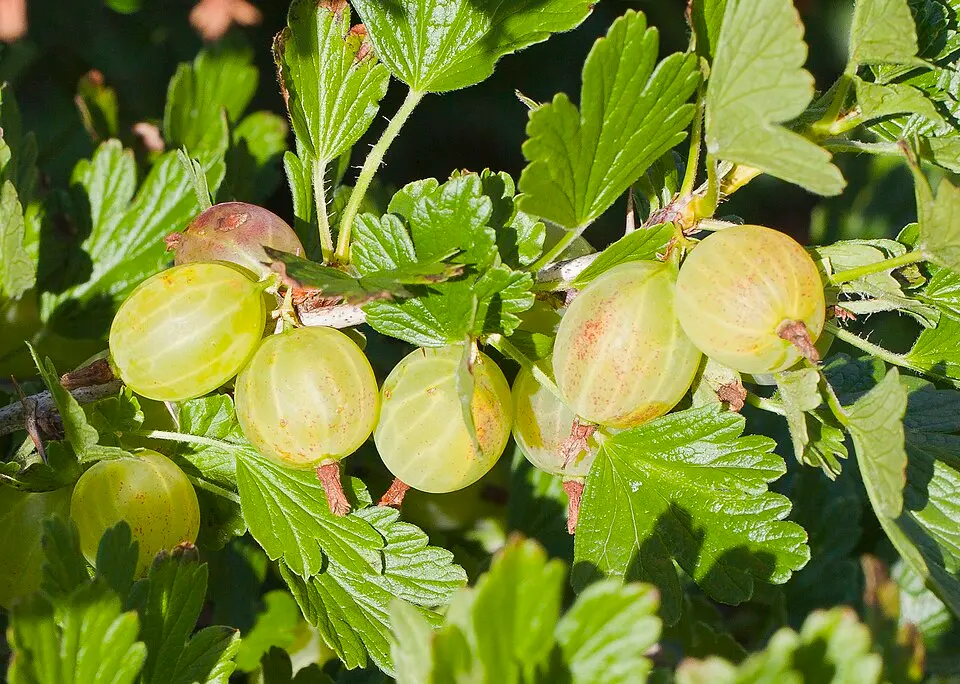
Gooseberry, scientifically known as Ribes uva-crispa, is a captivating species of deciduous flowering shrub belonging to the currant family, Grossulariaceae. This resilient plant is indigenous to a broad geographical range encompassing Europe, the rugged terrains of northwest Africa, and the diverse landscapes of southwest Asia. Morphologically, Ribes uva-crispa typically grows as a thorny bush, reaching heights of 1 to 3 meters, characterized by its lobed leaves and inconspicuous greenish-white to pinkish flowers that emerge in spring.
The most distinctive feature is its fruit: small, globose to ovoid berries, usually ranging from green, yellow, or deep red when ripe, often translucent, and can be either smooth or covered in fine hairs. These berries, which mature in summer, are celebrated for their tart to sweet flavor profile. Widely cultivated globally, particularly in temperate regions, the gooseberry thrives in cool, moist climates and well-drained soils, becoming a staple in both home gardens and commercial orchards.
Its adaptability and the nutritional value of its fruit have cemented its place as a significant horticultural and medicinal plant.
Trusted Scientific References
1. Authoritative external sources for Ribes uva-crispa
1.1 Wikipedia — Ribes uva-crispa
1.2 Kew POWO (Plants of the World Online)
1.3 PubMed — peer-reviewed research
1.4 NCBI Taxonomy Browser
1.5 GBIF — Global Biodiversity
1.6Gooseberry should be interpreted through verified botanical identity, practical care, and responsible safety language. This recovery note adds the missing context needed for a complete profile: match light to the plant's habit, use well-drained soil, water according to season, and avoid unsupported medicinal or edible claims. For publishing, the plant can be presented as a source-backed garden plant with clear care guidance, common problem diagnosis, and conservative safety wording.
1.7Gooseberry (Ribes uva-crispa) is maintained in this recovery file as a complete garden profile with practical care, safety, and identification context. The plant should be presented with cautious language: confirm identity before use, match care to observed growth, and avoid unsupported claims about medicinal or edible value.
1.1.Gooseberry — Key Features
- ✓ <strong>Botanical Classification</strong> — Species of flowering shrub in the Grossulariaceae family, known for its edible fruit.
- ✓ <strong>Native Range</strong> — Indigenous to Europe, northwest Africa, and southwest Asia.
- ✓ <strong>Fruit Characteristics</strong> — Small, typically green, yellow, or red berries, often translucent, with a tart to sweet flavor.
- ✓ <strong>Nutritional Powerhouse</strong> — High in Vitamin C, Vitamin A, dietary fiber, and various antioxidants.
- ✓ <strong>Digestive Aid</strong> — Fiber content supports gut health and regularity.
- ✓ <strong>Immune Booster</strong> — Rich in Vitamin C, enhancing the body's natural defenses.
- ✓ <strong>Antioxidant Rich</strong> — Contains anthocyanins, flavonoids, and phenolic acids that combat oxidative stress.
- ✓ <strong>Culinary Versatility</strong> — Excellent for fresh eating, jams, pies, sauces, and juices.
- ✓ <strong>Cultivation Adaptability</strong> — Thrives in cool, moist climates with well-drained, slightly acidic soil.
- ✓ <strong>Thorned Branches</strong> — Most varieties feature thorns, requiring care during harvest.
1.2.Gooseberry — Quick Summary
- ✓ Ribes uva-crispa is a thorny shrub prized for its tart, nutritious berries.
- ✓ Rich in Vitamin C, antioxidants, and dietary fiber, supporting overall health.
- ✓ Benefits include improved digestion, boosted immunity, and blood sugar regulation.
- ✓ Adaptable to temperate climates, requiring specific pruning and care.
- ✓ Used fresh, in preserves, baked goods, and traditional remedies.
- ✓ Generally safe, but excessive intake or specific conditions warrant caution.
2.Gooseberry — Scientific Identity
3.Gooseberry — Quick Facts
4.Gooseberry — Appearance & Identification
5.Gooseberry — Native Habitat
6.Gooseberry — Water Requirements
- ✓ Site Selection — Choose a location with full sun to partial shade, preferably sheltered from strong winds and late spring frosts, to ensure optimal fruit production and protect delicate flowers.
- ✓ Soil Requirements — Gooseberries thrive in well-drained, fertile loam with a slightly acidic to neutral pH (6.0-7.0); heavy clay soils should be amended extensively with organic matter to improve drainage.
- ✓ Planting — Plant bare-root bushes in autumn or early spring, setting them approximately one inch deeper than their nursery soil line, ensuring the planting hole is wide enough to accommodate roots without crowding and spacing plants 1.5-2 meters apart.
- ✓ Watering — Provide consistent moisture, especially during dry periods and critical fruit development stages, as gooseberries are not drought-tolerant; however, avoid waterlogging to prevent root rot.
- ✓ Fertilization — Apply a balanced granular fertilizer (e.g., 10-10-10) or well-rotted compost in early spring before new growth emerges, and a potassium-rich feed once fruits begin to set to support berry development.
- ✓ Pruning — Prune annually in late winter while dormant to remove dead, diseased, or crossing branches, and to encourage new, productive wood, maintaining an open framework of 3-4 canes of each age (1, 2, and 3 years old).
- ✓ Pest and Disease Management — Regularly inspect for common issues like powdery mildew, aphids, and gooseberry sawflies; prioritize resistant varieties and use organic or targeted chemical controls as needed, ensuring good air circulation.
- ✓ Propagation — Easily propagated from hardwood cuttings taken in autumn or by layering, where a cane is buried until it roots, offering a simple method for expanding your gooseberry patch.
Reviewed by the Flora Medical Global Botanical Review Panel
Multi-disciplinary editorial group · Botany · Ethnobotany · Herbal-medicine literature
Who reviewed this: This page was checked by the Flora Medical Global Botanical Review Panel — an in-house editorial group of botany graduates, ethnobotany researchers, and horticulture practitioners who collectively maintain our 7,000+ plant encyclopedia. Meet the team.
Our 4-step verification process
1. Taxonomic verification
Scientific names and synonyms cross-checked against Kew POWO, World Flora Online, and The Plant List.
2. Phytochemical & medicinal cross-reference
Active compounds, traditional uses, and reported activities are cross-referenced with PubMed, USDA Dr. Duke's database, and peer-reviewed ethnobotanical literature.
3. Conservation & distribution check
Distribution, ecology, and conservation status confirmed against GBIF occurrence records and the IUCN Red List.
4. Editorial & safety review
Every entry passes an editorial pass for clarity, originality, and safety notices (toxicity, contraindications, dosage caveats) before publication.
Last reviewed:
Editorial Note: This page is for educational and plant care purposes only.
Written by: Flora Medical Global Editorial Team
Reviewed by: Flora Medical Global Botanical Review Panel
Last Updated: June 16, 2026







Gooseberry — Comments & Community Reviews
Rate this plant