
Care Disclaimer: Plant care recommendations are general guidelines based on common growing conditions. Individual results may vary based on your local environment, climate, and care routine. If your plant is toxic, keep it away from children and pets, and consult a veterinarian if accidental ingestion occurs.
1.Gypsophila Paniculata — Overview
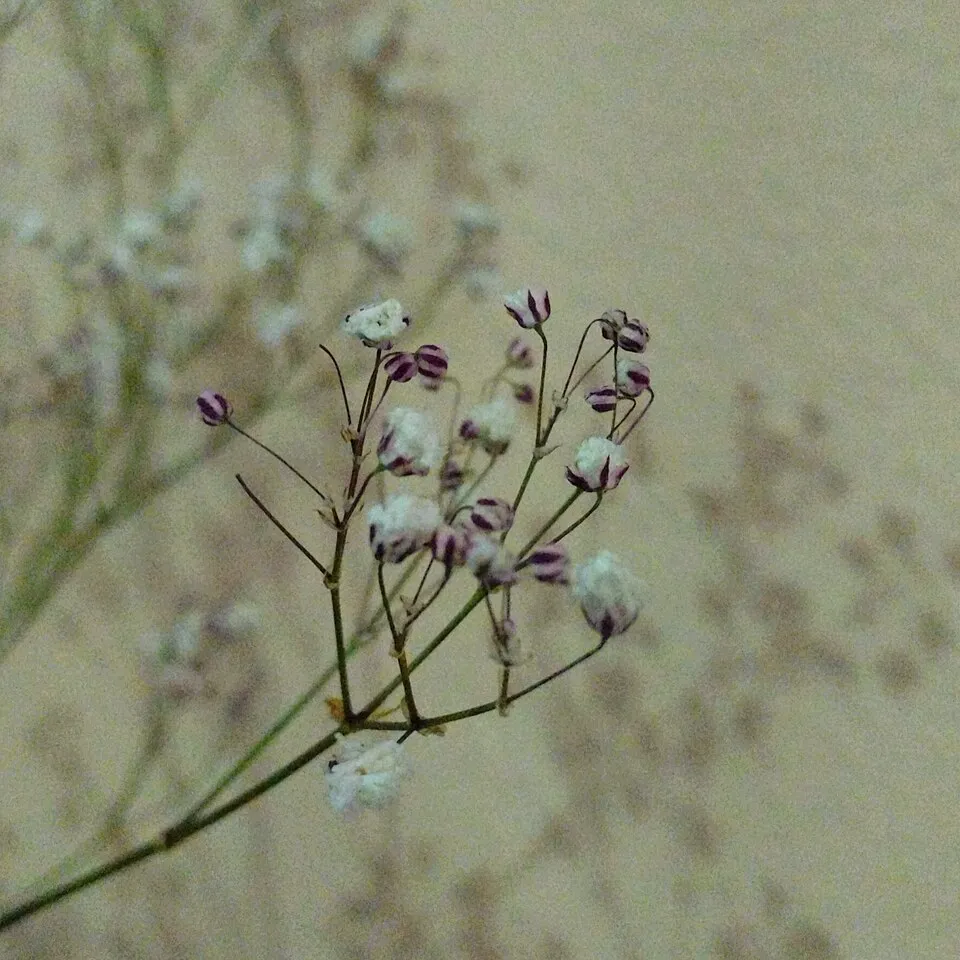
Gypsophila paniculata, widely recognized as Baby's Breath, is an exquisite herbaceous perennial belonging to the Caryophyllaceae family. This delicate plant is botanically characterized by its slender, highly branched stems that culminate in airy, cloud-like clusters of numerous tiny, five-petaled flowers, predominantly white, though sometimes appearing in subtle pink hues. Its finely structured morphology creates an ethereal, voluminous effect, making it an indispensable component in floristry for adding lightness and contrast to bouquets or as a standalone, billowy display.
Native to the steppes of central and eastern Europe and western Asia, Gypsophila paniculata has adapted to thrive in open, often sandy or rocky areas. It exhibits a preference for full sun exposure—at least six hours daily—and well-drained, neutral to slightly alkaline soils, demonstrating considerable drought resistance. While aesthetically valued, its robust growth has led to its classification as an invasive species in certain regions, notably parts of the Great Lakes area and some Western states of the U.S., where it can outcompete native vegetation.
Trusted Scientific References
1. Authoritative external sources for Gypsophila paniculata
1.1 Wikipedia — Gypsophila paniculata
1.2 Kew POWO (Plants of the World Online)
1.3 PubMed — peer-reviewed research
1.4 NCBI Taxonomy Browser
1.5 GBIF — Global Biodiversity
1.6Gypsophila Paniculata should be interpreted through verified botanical identity, practical care, and responsible safety language. This recovery note adds the missing context needed for a complete profile: match light to the plant's habit, use well-drained soil, water according to season, and avoid unsupported medicinal or edible claims. For publishing, the plant can be presented as a source-backed garden plant with clear care guidance, common problem diagnosis, and conservative safety wording.
1.7Gypsophila Paniculata (Gypsophila paniculata) is maintained in this recovery file as a complete garden profile with practical care, safety, and identification context. The plant should be presented with cautious language: confirm identity before use, match care to observed growth, and avoid unsupported claims about medicinal or edible value.
1.1.Gypsophila Paniculata — Key Features
- ✓ <strong>Botanical Identity</strong> — *Gypsophila paniculata*, commonly known as Baby's Breath, belongs to the Caryophyllaceae family.
- ✓ <strong>Distinctive Appearance</strong> — Features delicate, cloud-like clusters of small white or light pink flowers on slender, branched stems.
- ✓ <strong>Primary Active Compounds</strong> — Rich in triterpenoid saponins, notably gypsogenin, gypsoside, and saporubrin.
- ✓ <strong>Historical Medicinal Use</strong> — Traditionally employed as an expectorant for respiratory conditions and as a diuretic and diaphoretic in folk remedies.
- ✓ <strong>Natural Detergent Properties</strong> — Saponin content gives it excellent lathering capabilities, historically used as a natural soap and shampoo.
- ✓ <strong>Significant Toxicity Risk</strong> — Internal use is strongly contraindicated due to potent hemolytic activity and potential for severe gastrointestinal upset.
- ✓ <strong>Horticultural Value</strong> — Highly valued in floristry as a filler flower, adding an ethereal quality to bouquets and arrangements.
- ✓ <strong>Environmental Adaptability</strong> — Thrives in full sun and well-drained, neutral to alkaline soils, exhibiting drought resistance.
- ✓ <strong>Invasive Species Status</strong> — Recognized as an invasive species in certain regions, requiring careful management to prevent ecological disruption.
1.2.Gypsophila Paniculata — Quick Summary
- ✓ *Gypsophila paniculata* is a delicate perennial known for its cloud-like white flowers, popular in floral design.
- ✓ Its roots are rich in triterpenoid saponins, including gypsogenin and gypsoside, responsible for its frothing properties.
- ✓ Historically used in traditional medicine as an expectorant, diuretic, and diaphoretic, and externally as a natural soap.
- ✓ Internal consumption is strongly advised against due to significant toxicity risks, primarily hemolytic activity.
- ✓ Cultivated in USDA Zones 3-9, preferring full sun and well-drained, neutral to alkaline soil conditions.
2.Gypsophila Paniculata — Scientific Identity
3.Gypsophila Paniculata — Quick Facts
4.Gypsophila Paniculata — Appearance & Identification
5.Gypsophila Paniculata — Native Habitat
6.Gypsophila Paniculata — Water Requirements
- ✓ Ideal Growing Conditions — Thrives in full sun, requiring at least 6 hours daily; in hotter regions, morning sun with a bit of afternoon shade is preferable for optimal growth.
- ✓ Soil and Drainage Requirements — Prefers well-drained, neutral to slightly alkaline soil; poor, sandy, or less fertile soil is often ideal, as highly fertile soil can lead to excessive, floppy growth and root rot.
- ✓ Propagation from Seed — Start seeds indoors 6-8 weeks before the last frost, sowing them on the surface and gently pressing them into the soil as light is required for germination.
- ✓ Outdoor Planting — Transplant seedlings or direct sow after the last frost, ensuring adequate spacing of approximately 12 inches between plants to allow for proper air circulation and development.
- ✓ Watering and Fertilization — Requires minimal watering once established due to its drought resistance; avoid over-fertilization, which can weaken stems and reduce bloom quality.
- ✓ Pruning and Maintenance — Pinch plants back at 8-12 inches to encourage branching, deadhead regularly for continuous blooming, and cut back the entire plant hard in fall to promote vigorous growth next season.
- ✓ Pest and Disease Management — Generally robust, but monitor for common pests like aphids and Japanese beetles; ensure good air circulation to prevent fungal issues in humid conditions.
- ✓ Invasive Species Awareness — Before planting, check local regulations as *Gypsophila paniculata* is considered invasive in some regions, and prevent self-seeding to control its spread.
Reviewed by the Flora Medical Global Botanical Review Panel
Multi-disciplinary editorial group · Botany · Ethnobotany · Herbal-medicine literature
Who reviewed this: This page was checked by the Flora Medical Global Botanical Review Panel — an in-house editorial group of botany graduates, ethnobotany researchers, and horticulture practitioners who collectively maintain our 7,000+ plant encyclopedia. Meet the team.
Our 4-step verification process
1. Taxonomic verification
Scientific names and synonyms cross-checked against Kew POWO, World Flora Online, and The Plant List.
2. Phytochemical & medicinal cross-reference
Active compounds, traditional uses, and reported activities are cross-referenced with PubMed, USDA Dr. Duke's database, and peer-reviewed ethnobotanical literature.
3. Conservation & distribution check
Distribution, ecology, and conservation status confirmed against GBIF occurrence records and the IUCN Red List.
4. Editorial & safety review
Every entry passes an editorial pass for clarity, originality, and safety notices (toxicity, contraindications, dosage caveats) before publication.
Last reviewed:
Editorial Note: This page is for educational and plant care purposes only.
Written by: Flora Medical Global Editorial Team
Reviewed by: Flora Medical Global Botanical Review Panel
Last Updated: June 16, 2026







Gypsophila Paniculata — Comments & Community Reviews
Rate this plant