


Care Disclaimer: Plant care recommendations are general guidelines based on common growing conditions. Individual results may vary based on your local environment, climate, and care routine. If your plant is toxic, keep it away from children and pets, and consult a veterinarian if accidental ingestion occurs.
1.Hardy Geranium — Overview
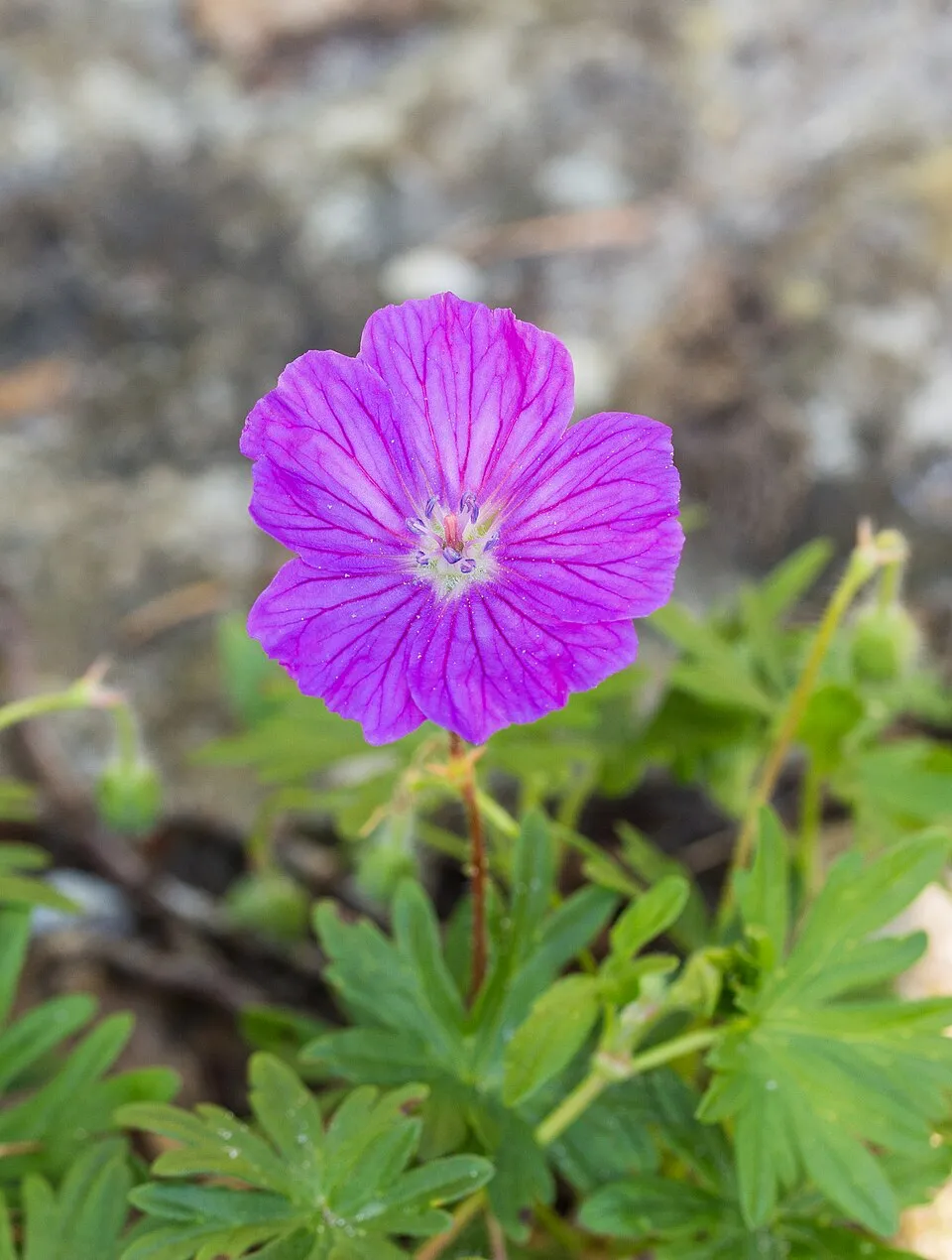
Hardy Geranium, scientifically known as Geranium sanguineum, is an herbaceous perennial belonging to the Geraniaceae family, native to the diverse landscapes of Europe and temperate Asia. This robust plant forms attractive, mounding clumps, typically reaching 10-20 inches in height and spreading 20-24 inches wide, characterized by its prostrate to ascending, branched, and often hairy stems. Its deeply cut, palmate, dark green leaves are a distinctive feature, which famously transform into vibrant reddish hues in autumn, earning it the common name Bloody Cranesbill—a direct reference to the species epithet 'sanguineum', meaning 'blood-red', and the 'cranesbill' likeness of its beaked fruits.
From late spring through summer, and often continuing into early autumn, Geranium sanguineum produces a profusion of striking magenta-pink, cup-shaped flowers, often adorned with darker venation, making it a highly valued ornamental plant. The genus name 'Geranium' itself derives from the Greek 'géranos', meaning 'crane', again alluding to the fruit's resemblance to a crane's beak.
Beyond its aesthetic appeal, Hardy Geranium is celebrated for its adaptability and low-maintenance nature. It thrives in a range of conditions, preferring moist but well-drained soil in full sun to partial shade, and demonstrating tolerance to clay soils, heat, and even some drought once established.
Its resilience also extends to resistance against deer and rabbits, making it an excellent choice for various garden applications, including groundcover, borders, rock gardens, and pollinator gardens where its blooms attract bees and butterflies. This combination of beauty, hardiness, and ecological benefit solidifies Geranium sanguineum’s widespread popularity in horticulture.
Trusted Scientific References
1. Authoritative external sources for Geranium sanguineum
1.1 Wikipedia — Geranium sanguineum
1.2 Kew POWO (Plants of the World Online)
1.3 PubMed — peer-reviewed research
1.4 NCBI Taxonomy Browser
1.5 GBIF — Global Biodiversity
1.1.Hardy Geranium — Key Features
- ✓ <strong>Botanical Name</strong> — Geranium sanguineum.
- ✓ <strong>Common Names</strong> — Hardy Geranium, Bloody Cranesbill.
- ✓ <strong>Family</strong> — Geraniaceae.
- ✓ <strong>Native Range</strong> — Europe and temperate Asia.
- ✓ <strong>Flower Color</strong> — Striking magenta-pink, often with darker venation.
- ✓ <strong>Foliage Characteristics</strong> — Deeply cut, palmate leaves that turn vibrant reddish hues in autumn.
- ✓ <strong>Key Phytochemicals</strong> — Rich in tannins (ellagitannins, gallotannins), flavonoids, and phenolic acids.
- ✓ <strong>Primary Traditional Actions</strong> — Astringent, anti-inflammatory, and mild antiseptic.
- ✓ <strong>Growth Habit</strong> — Mounding herbaceous perennial, typically 10-20 inches tall and spreading 20-24 inches wide.
- ✓ <strong>Garden Applications</strong> — Excellent for groundcover, borders, rock gardens, and attracting pollinators.
1.2.Hardy Geranium — Quick Summary
- ✓ Hardy Geranium (Geranium sanguineum) is a vibrant perennial native to Europe and Asia, cherished for its deep magenta flowers and reddish autumn foliage.
- ✓ Traditionally valued in folk medicine for its potent astringent and anti-inflammatory properties, largely attributed to its rich tannin content.
- ✓ Historically used for addressing digestive issues like diarrhea, and topically for healing minor wounds, soothing sore throats, and calming skin irritations.
- ✓ Rich in beneficial phytochemicals, including various tannins, flavonoids (quercetin, kaempferol), and phenolic acids.
- ✓ An easy-to-grow plant, thriving in well-drained soil and adaptable to full sun to partial shade, making it popular in diverse garden settings.
- ✓ Caution is advised for internal use; it should be avoided during pregnancy and lactation, and individuals with gastrointestinal sensitivities should consult a professional.
2.Hardy Geranium — Scientific Identity
3.Hardy Geranium — Quick Facts
4.Hardy Geranium — Appearance & Identification
5.Hardy Geranium — Native Habitat
6.Hardy Geranium — Water Requirements
- ✓ Planting Location — Thrives best in full sun to partial shade, ensuring adequate light for robust flowering and healthy growth.
- ✓ Soil Requirements — Prefers moist but well-drained soil; highly adaptable to various soil types, from sandy to clay, but performs optimally in moderately fertile conditions.
- ✓ Watering — Water regularly until the plant is well-established; once mature, it exhibits good drought tolerance, requiring less frequent watering.
- ✓ Pruning and Maintenance — Deadhead spent flowers to encourage continuous blooming throughout the season and prevent excessive self-seeding. A hard cut-back after the first flush can rejuvenate foliage and promote rebloom.
- ✓ Propagation — Easily propagated by dividing mature clumps every 3-5 years in either spring or autumn to maintain vigor and expand plantings. It may also self-seed in favorable conditions.
- ✓ Pest and Disease — Generally robust, but can be susceptible to leaf spots and rust under certain conditions. Occasional pests include sawflies, vine weevils, and capsid bugs.
- ✓ Hardiness Zones — Hardy Geranium is an herbaceous perennial well-suited for USDA Hardiness Zones 4-8.
Reviewed by the Flora Medical Global Botanical Review Panel
Multi-disciplinary editorial group · Botany · Ethnobotany · Herbal-medicine literature
Who reviewed this: This page was checked by the Flora Medical Global Botanical Review Panel — an in-house editorial group of botany graduates, ethnobotany researchers, and horticulture practitioners who collectively maintain our 7,000+ plant encyclopedia. Meet the team.
Our 4-step verification process
1. Taxonomic verification
Scientific names and synonyms cross-checked against Kew POWO, World Flora Online, and The Plant List.
2. Phytochemical & medicinal cross-reference
Active compounds, traditional uses, and reported activities are cross-referenced with PubMed, USDA Dr. Duke's database, and peer-reviewed ethnobotanical literature.
3. Conservation & distribution check
Distribution, ecology, and conservation status confirmed against GBIF occurrence records and the IUCN Red List.
4. Editorial & safety review
Every entry passes an editorial pass for clarity, originality, and safety notices (toxicity, contraindications, dosage caveats) before publication.
Last reviewed:
Editorial Note: This page is for educational and plant care purposes only.
Written by: Flora Medical Global Editorial Team
Reviewed by: Flora Medical Global Botanical Review Panel
Last Updated: June 16, 2026







Hardy Geranium — Comments & Community Reviews
Rate this plant