
Care Disclaimer: Plant care recommendations are general guidelines based on common growing conditions. Individual results may vary based on your local environment, climate, and care routine. If your plant is toxic, keep it away from children and pets, and consult a veterinarian if accidental ingestion occurs.
1.Helleborus Orientalis — Overview
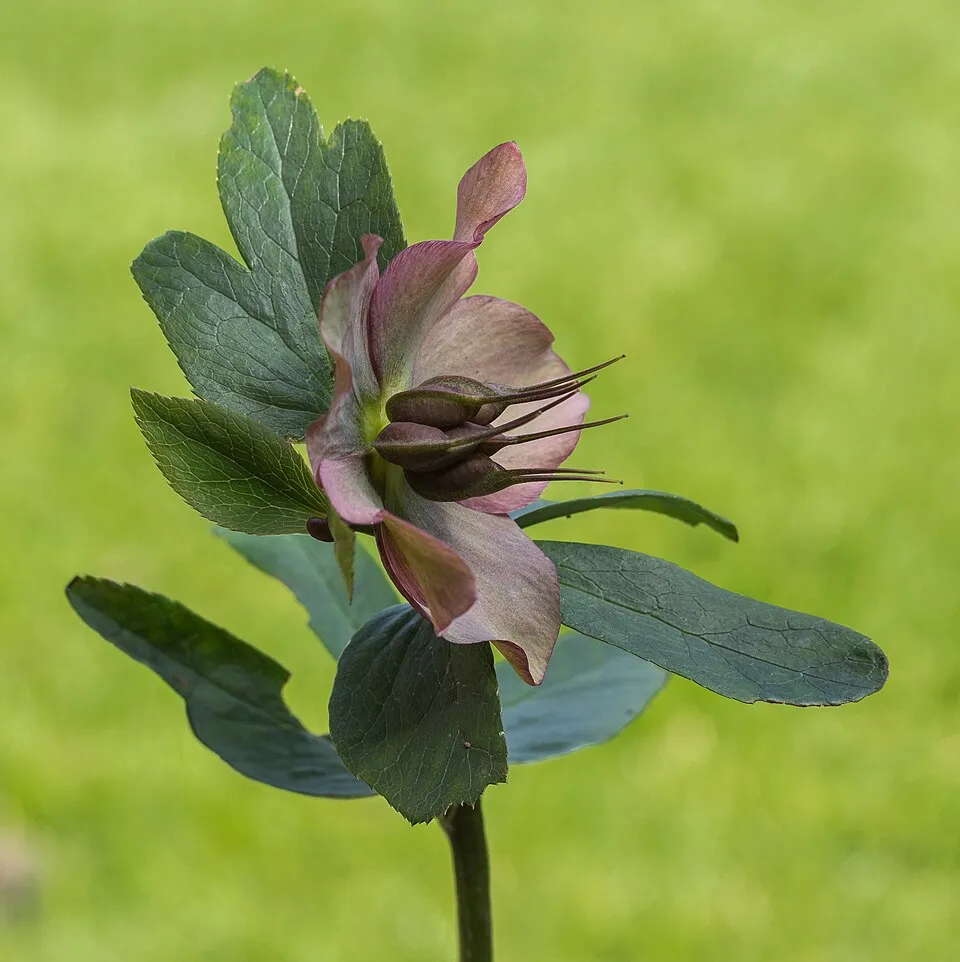
Helleborus orientalis, commonly known as the Lenten rose or Oriental hellebore, is a captivating perennial herbaceous plant indigenous to the eastern Mediterranean region, encompassing areas like Greece, Turkey, and the Balkans. This resilient species is highly valued in horticulture for its striking, long-lasting blossoms that emerge from late winter to early spring, often coinciding with the Christian season of Lent. The flowers of the Lenten rose display an impressive spectrum of colors, including pristine white, various shades of pink, deep purple, verdant green, soft apricot, and numerous bi-color combinations, frequently adorned with intricate speckles or delicate veining. The plant typically achieves a mature height of 12-18 inches (30-45 cm) and spreads similarly, forming attractive clumps of leathery, dark green, semi-evergreen foliage.
Its palmate leaves are deeply divided into several oblong or lance-shaped leaflets, providing year-round visual interest. The cup-shaped flowers, usually borne singly or in small clusters on robust stems, are typically nodding or outward-facing, composed of five prominent petal-like sepals, with the true petals reduced to inconspicuous nectaries at the center. Helleborus orientalis is remarkably adaptable, thriving in partial to full shade and preferring well-drained, consistently moist, humus-rich soil. While tolerant of a range of soil types, it is particularly sensitive to waterlogged conditions.
Once established, it exhibits considerable drought tolerance and hardiness, making it a low-maintenance and desirable addition to diverse garden settings. Its early blooming habit provides crucial nectar for early pollinators, such as bees. Frequently utilized in woodland gardens, borders, and as an elegant groundcover, it is imperative to remember that all parts of Helleborus orientalis are highly toxic if ingested, containing potent cardiac glycosides that can induce severe digestive upset, dangerous cardiac arrhythmias, and other life-threatening adverse effects. Extreme caution is paramount when cultivating this plant, especially in environments accessible to children and pets.
Trusted Scientific References
1. Authoritative external sources for Helleborus orientalis
1.1 Wikipedia — Helleborus orientalis
1.2 Kew POWO (Plants of the World Online)
1.3 PubMed — peer-reviewed research
1.4 NCBI Taxonomy Browser
1.5 GBIF — Global Biodiversity
1.1.Helleborus Orientalis — Key Features
- ✓ <strong>Botanical Name</strong> — Helleborus orientalis.
- ✓ <strong>Common Name</strong> — Lenten Rose, Oriental Hellebore.
- ✓ <strong>Native Range</strong> — Eastern Mediterranean region.
- ✓ <strong>Bloom Time</strong> — Late winter to early spring.
- ✓ <strong>Flower Colors</strong> — Wide array including white, pink, purple, green, apricot, often speckled.
- ✓ <strong>Foliage</strong> — Leathery, dark green, deeply lobed, semi-evergreen leaves.
- ✓ <strong>Growing Conditions</strong> — Prefers partial to full shade and well-drained, humus-rich soil.
- ✓ <strong>Toxicity</strong> — Highly poisonous, contains cardiotoxic glycosides in all parts.
- ✓ <strong>Deer and Rabbit Resistant</strong> — Naturally avoided by deer and rabbits due to its toxic nature.
- ✓ <strong>Garden Use</strong> — Excellent for woodland gardens, shady borders, and as groundcover.
1.2.Helleborus Orientalis — Quick Summary
- ✓ Helleborus orientalis, the Lenten Rose, is a beautiful perennial celebrated for its early winter-to-spring blooms.
- ✓ All parts of the plant are highly toxic, containing dangerous cardiac glycosides that can be fatal if ingested.
- ✓ Historically, some Helleborus species were used medicinally with extreme caution; H. orientalis is not safe for modern internal use.
- ✓ Thrives in shaded garden spots with well-drained soil, offering low maintenance and deer resistance.
- ✓ Essential to handle with gloves and keep away from children and pets due to its severe toxicity.
2.Helleborus Orientalis — Scientific Identity
3.Helleborus Orientalis — Quick Facts
4.Helleborus Orientalis — Appearance & Identification
5.Helleborus Orientalis — Native Habitat
6.Helleborus Orientalis — Water Requirements
- ✓ Planting Time — Plant Helleborus orientalis in early spring or fall to allow for optimal root establishment before extreme weather.
- ✓ Site Selection — Choose a location with partial to full shade, ideally under deciduous trees where winter sun and summer shade are provided.
- ✓ Soil Requirements — Ensure rich, moist, well-draining soil with a neutral to slightly alkaline pH (6.5-7.5), amended generously with compost.
- ✓ Planting Depth — Position the plant so its crown sits just below the soil surface; planting too deeply can inhibit flower production.
- ✓ Spacing — Space individual plants 18 to 24 inches apart to allow for mature growth and adequate air circulation.
- ✓ Watering — Water regularly during the first year to aid establishment; established plants are drought-tolerant but benefit from deep watering during dry spells.
- ✓ Fertilization — Apply an annual top-dressing of compost or well-rotted manure in the fall, supplemented with a balanced slow-release fertilizer in early spring.
- ✓ Pruning — In late winter or early spring, as new growth emerges, trim back any old, damaged, or unsightly foliage to the base to promote vigor and display new blooms.
- ✓ Pest and Disease Management — Hellebores are generally pest-resistant but monitor for aphids, slugs, or black spot, especially in humid conditions; ensure good air circulation to prevent fungal issues.
Reviewed by the Flora Medical Global Botanical Review Panel
Multi-disciplinary editorial group · Botany · Ethnobotany · Herbal-medicine literature
Who reviewed this: This page was checked by the Flora Medical Global Botanical Review Panel — an in-house editorial group of botany graduates, ethnobotany researchers, and horticulture practitioners who collectively maintain our 7,000+ plant encyclopedia. Meet the team.
Our 4-step verification process
1. Taxonomic verification
Scientific names and synonyms cross-checked against Kew POWO, World Flora Online, and The Plant List.
2. Phytochemical & medicinal cross-reference
Active compounds, traditional uses, and reported activities are cross-referenced with PubMed, USDA Dr. Duke's database, and peer-reviewed ethnobotanical literature.
3. Conservation & distribution check
Distribution, ecology, and conservation status confirmed against GBIF occurrence records and the IUCN Red List.
4. Editorial & safety review
Every entry passes an editorial pass for clarity, originality, and safety notices (toxicity, contraindications, dosage caveats) before publication.
Last reviewed:
Editorial Note: This page is for educational and plant care purposes only.
Written by: Flora Medical Global Editorial Team
Reviewed by: Flora Medical Global Botanical Review Panel
Last Updated: June 16, 2026







Helleborus Orientalis — Comments & Community Reviews
Rate this plant