Scientific name: Ilex aquifolium
Bengali name: হলদি
Family: Aquifoliaceae
Genus: Ilex
Origin: Europe and Western Asia
Quick Summary
✓ Ilex aquifolium, or European Holly, is an evergreen tree or shrub recognized by its glossy, spiny leaves and vibrant red winter berries. ✓ All components of the plant, especially the berries, are toxic if ingested due to the presence of triterpenoid saponins. ✓ Historically, it was used in folk medicine as an emetic, purgative, and for fevers, but these practices are dangerous and not recommended today. ✓ Primarily valued as an ornamental plant for landscaping and its hard, fine-grained wood is used in crafting. ✓ Requires full sun to partial shade, well-draining acidic soil, and both male and female plants for successful berry production. ✓ Ingestion can lead to severe gastrointestinal distress and other serious symptoms; immediate medical attention is essential.
Key Features
✓ Iconic Evergreen Foliage — Distinctive glossy, dark green, leathery leaves with characteristic sharp, spiny margins. ✓ Striking Winter Berries — Abundant, bright red, globular drupes produced by female plants, providing visual appeal and wildlife food throughout winter. ✓ Dioecious Reproduction — Requires separate male and female plants in proximity for successful pollination and subsequent fruit set. ✓ Native European Distribution — Indigenous to Western and Southern Europe, the Azores, and northwestern Africa. ✓ High Ornamental Value — Widely prized for its aesthetic contributions to landscape design, used for hedging, screening, and as specimen plants. ✓ Hard, Fine-Grained Wood — Historically utilized for intricate carving, inlay work, and the manufacture of specialized small articles. ✓ Wildlife Food Source — Its persistent winter berries serve as a crucial food supply for various bird species and other wildlife. ✓ Contains Toxic Saponins — The primary chemical constituents, triterpenoid saponins, are responsible for the plant's toxicity upon ingestion. ✓ Adaptable Growth Habit — Exhibits a versatile growth form, ranging from a dense, bushy shrub to a tall, stately tree. ✓ Low Maintenance Once Established — Relatively easy to cultivate and care for in suitable environmental conditions.
Description
Ilex aquifolium, widely recognized as the common holly, European holly, or English holly, is a distinguished species of flowering plant belonging to the family Aquifoliaceae. This iconic evergreen tree or shrub is indigenous to western and southern Europe, including the Azores, and extends into northwestern Africa. It is instantly identifiable by its striking glossy, dark green, and notably leathery leaves, which typically present an ovate or elliptical shape with sharply spiny margins. These spines, while contributing to its distinctive aesthetic, primarily function as a robust deterrent against herbivores, safeguarding the plant from grazing. The growth habit of Ilex aquifolium is remarkably variable, ranging from a dense, compact shrub to a majestic, towering tree that can reach impressive heights of up to 25 meters (82 feet) with a trunk diameter of up to 1 meter (3.3 feet). The bark is characteristically smooth and grey in its younger stages, gradually developing fissures and a rougher texture with advancing age. Holly is a dioecious species, meaning that its male and female flowers are borne on separate individual plants. The small, often inconspicuous flowers, which bloom in late spring and early summer, are typically white or greenish-white and arranged in cymose clusters. These flowers are primarily pollinated by insects, particularly bees and flies. However, the true visual spectacle of Ilex aquifolium emerges in autumn and persists through winter with the development of its vibrant berries. These are bright red, spherical drupes, generally measuring between 6-10 mm in diameter. Female plants, provided they are pollinated by a nearby male specimen, produce a profusion of these eye-catching berries, which remain on the branches throughout the winter, serving as a crucial food source for various bird species and other wildlife. The wood of the holly tree is prized for being hard, white, and fine-grained, and has been historically utilized in intricate inlay work, carving, and the fabrication of small, specialized articles. It is critical to note that despite their attractive appearance, the leaves and berries of Ilex aquifolium are toxic if ingested in substantial quantities, particularly to humans and pets, primarily due to the presence of triterpenoid saponins and other compounds.Trusted Scientific References
Authoritative external sources for Ilex aquifolium:
বিবরণ (Bengali)
আইলেক্স অ্যাকুইফোলিয়াম, যা সাধারণত কমন হলি, ইউরোপীয় হলি বা ইংলিশ হলি নামে পরিচিত, এটি অ্যাকুইফোলিয়াসি পরিবারের একটি সপুষ্পক উদ্ভিদ প্রজাতি। এটি পশ্চিম ও দক্ষিণ ইউরোপ, আজোরেস এবং উত্তর-পশ্চিম আফ্রিকার স্থানীয় একটি চিরসবুজ গাছ বা গুল্ম। এই আইকনিক উদ্ভিদটি তার চকচকে, গাঢ় সবুজ, চামড়ার মতো পাতা দ্বারা তাত্ক্ষণিকভাবে চেনা যায়, যা সাধারণত ডিম্বাকৃতি বা উপবৃত্তাকার এবং তীক্ষ্ণ, কাঁটাযুক্ত প্রান্তযুক্ত। এই কাঁটাগুলি, সুন্দর এবং এর নান্দনিক আবেদনে অবদান রাখার পাশাপাশি, তৃণভোজী প্রাণীদের প্রতিরোধক হিসাবে কাজ করে, উদ্ভিদটিকে চারণ থেকে রক্ষা করে। গাছটির গঠন উল্লেখযোগ্যভাবে পরিবর্তিত হতে পারে, ঘন, গুল্মময় ঝোপ থেকে শুরু করে একটি রাজকীয় গাছ পর্যন্ত, যা প্রায়শই ২৫ মিটার (৮২ ফুট) উচ্চতা এবং ১ মিটার (৩.৩ ফুট) পর্যন্ত কাণ্ডের ব্যাস পর্যন্ত পৌঁছায়। নতুন গাছের ছাল মসৃণ এবং ধূসর থাকে, যা বয়সের সাথে সাথে ফাটলযুক্ত এবং রুক্ষ হয়ে যায়। হলি হল ডাইওসিয়াস, যার অর্থ পুরুষ এবং মহিলা ফুল ভিন্ন ভিন্ন গাছের উপর উৎপন্ন হয়। ফুলগুলি, যা বসন্তের শেষ এবং গ্রীষ্মের শুরুতে দেখা যায়, ছোট, সাদামাটা এবং সাধারণত সাদা বা সবুজাভ-সাদা হয়, যা সাইমোজ গুচ্ছে সজ্জিত থাকে। এগুলি পোকামাকড়, বিশেষ করে মৌমাছি এবং মাছি দ্বারা পরাগায়িত হয়। তবে, আইলেক্স অ্যাকুইফোলিয়ামের প্রকৃত চাক্ষুষ প্রদর্শনী আসে শরৎ এবং শীতকালে এর বেরিগুলির বিকাশের সাথে। এগুলি উজ্জ্বল লাল, গোলাকার ড্রুপ, সাধারণত ৬-১০ মিমি ব্যাসের হয়। মহিলা গাছগুলি, যদি কাছাকাছি পুরুষ গাছ দ্বারা পরাগায়িত হয়, তবে এই striking berries-এর প্রাচুর্য তৈরি করে, যা শীতকাল জুড়ে ডালপালাগুলিতে থাকে, পাখি এবং অন্যান্য বন্যপ্রাণীর জন্য একটি গুরুত্বপূর্ণ খাদ্য উৎস সরবরাহ করে। পুরুষ ফুলগুলি বেশি সংখ্যক এবং চারটি পুংকেশর থাকে, যখন মহিলা ফুলগুলিতে একটি উন্নত ডিম্বাশয় এবং সাধারণত চারটি পাপড়ি থাকে। হলি গাছের কাঠ শক্ত, সাদা এবং সূক্ষ্ম শস্যযুক্ত, যা ঐতিহাসিকভাবে ইনলে ওয়ার্ক, খোদাই এবং ছোট জিনিস তৈরির জন্য ব্যবহৃত হত। পাতা এবং বেরিগুলি, তাদের আকর্ষণীয় চেহারা সত্ত্বেও, প্রচুর পরিমাণে খাওয়া হলে বিষাক্ত হতে পারে, বিশেষ করে মানুষ এবং পোষা প্রাণীদের জন্য, স্যাপোনিন এবং অন্যান্য যৌগের উপস্থিতির কারণে। তবে, ইতিহাস জুড়ে, হলি গাছের বিভিন্ন অংশ তাদের কথিত ঔষধি গুণাবলীর জন্য মূল্যবান হয়েছে, যদিও এই দাবিগুলির অনেকগুলির জন্য বৈজ্ঞানিক প্রমাণ সীমিত। গাছটির শক্তিশালী প্রকৃতি এবং আকর্ষণীয় পাতা এটিকে ল্যান্ডস্কেপিং, হেজিং এবং আলংকারিক চাষের জন্য একটি জনপ্রিয় পছন্দ করে তুলেছে, বিশেষ করে উৎসবের মরসুমে যখন এর ডালপালা প্রায়শই সজ্জায় ব্যবহৃত হয়। ছাঁটাইয়ের প্রতি এর সহনশীলতা এবং বিভিন্ন আলোর পরিস্থিতিতে, পূর্ণ সূর্য থেকে আংশিক ছায়া পর্যন্ত, উন্নতি করার ক্ষমতা এটিকে একটি উদ্যান নমুনা হিসাবে আরও আকর্ষণীয় করে তুলেছে।
Medicinal Benefits
✓ Traditional Febrifuge — Historically, infusions prepared from dried Holly leaves were employed in European folk medicine to aid in reducing fevers, a use attributed to their perceived diaphoretic properties. ✓ Diuretic Properties (Traditional) — Some historical uses suggest a mild diuretic effect from Holly leaf preparations, believed to assist in fluid elimination, though this application must be approached with extreme caution due to the plant's toxicity. ✓ Rheumatic Pain Relief (External Traditional) — Poultices crafted from crushed fresh Holly leaves were traditionally applied topically to alleviate localized rheumatic pain, swelling, and joint discomfort. ✓ Emetic/Purgative Action (Historical Caution) — In certain historical practices, a strong decoction of Holly berries was occasionally used as a potent emetic and purgative; however, this is an extremely dangerous and strongly unrecommended practice due to severe toxicity. ✓ Cough and Bronchitis (Traditional Folk Remedy) — Infusions of Holly leaves were sometimes utilized in traditional European herbalism to soothe coughs, alleviate respiratory discomfort, and address symptoms of bronchitis. ✓ Digestive Stimulant (Historical, High Risk) — Very small, precisely controlled doses were mentioned in some traditional texts for their potential to stimulate digestion, though this application carries significant health risks and is not advised. ✓ Anti-inflammatory (Traditional External Application) — The topical application of preparations from Holly leaves was historically believed to reduce localized inflammation, likely due to the presence of flavonoids and tannins. ✓ Wound Healing (Folk Remedy) — Crushed Holly leaves were occasionally applied as a folk remedy to minor cuts and abrasions, based on perceived mild antiseptic and astringent qualities. ✓ Astringent Properties — The presence of tannins in Holly leaves contributed to their traditional use as an astringent for minor skin irritations and to tighten tissues.
ঔষধি উপকারিতা (Bengali)
["\u2713 **\u09aa\u09cd\u09b0\u09a6\u09be\u09b9\u09b0\u09cb\u09a7\u09c0** \u2014 \u0990\u09a4\u09bf\u09b9\u09cd\u09af\u0997\u09a4\u09ad\u09be\u09ac\u09c7 \u09b6\u09b0\u09c0\u09b0\u09c7\u09b0 \u09ac\u09bf\u09ad\u09bf\u09a8\u09cd\u09a8 \u0985\u0982\u09b6\u09c7 \u09aa\u09cd\u09b0\u09a6\u09be\u09b9 \u0995\u09ae\u09be\u09a4\u09c7 \u09ac\u09cd\u09af\u09ac\u09b9\u09c3\u09a4 \u09b9\u09a4\u0964", "\u2713 **\u09ae\u09c2\u09a4\u09cd\u09b0\u09ac\u09b0\u09cd\u09a7\u0995** \u2014 \u09ac\u09bf\u09b6\u09cd\u09ac\u09be\u09b8 \u0995\u09b0\u09be \u09b9\u09a4 \u098f\u099f\u09bf \u09ae\u09c2\u09a4\u09cd\u09b0 \u0989\u09ce\u09aa\u09be\u09a6\u09a8 \u09ac\u09be\u09a1\u09bc\u09be\u09af\u09bc, \u09b6\u09b0\u09c0\u09b0 \u09a5\u09c7\u0995\u09c7 \u09ac\u09bf\u09b7\u09be\u0995\u09cd\u09a4 \u09aa\u09a6\u09be\u09b0\u09cd\u09a5 \u09ac\u09c7\u09b0 \u0995\u09b0\u09c7 \u09a6\u09bf\u09a4\u09c7 \u09b8\u09be\u09b9\u09be\u09af\u09cd\u09af \u0995\u09b0\u09c7\u0964", "\u2713 **\u0997\u09b2\u09be \u09ac\u09cd\u09af\u09a5\u09be \u0989\u09aa\u09b6\u09ae** \u2014 \u09aa\u09be\u09a4\u09be\u09b0 \u09aa\u09c1\u09b2\u099f\u09bf\u09b8 \u09ac\u09be \u099a\u09be \u0997\u09b2\u09be \u09ac\u09cd\u09af\u09a5\u09be \u0989\u09aa\u09b6\u09ae \u0995\u09b0\u09a4\u09c7 \u09ac\u09cd\u09af\u09ac\u09b9\u09c3\u09a4 \u09b9\u09a4\u0964", "\u2713 **\u099c\u09cd\u09ac\u09b0 \u09b9\u09cd\u09b0\u09be\u09b8** \u2014 \u0990\u09a4\u09bf\u09b9\u09be\u09b8\u09bf\u0995\u09ad\u09be\u09ac\u09c7 \u099c\u09cd\u09ac\u09b0 \u0995\u09ae\u09be\u09a4\u09c7 (antipyretic) \u09ac\u09cd\u09af\u09ac\u09b9\u09c3\u09a4 \u09b9\u09a4\u0964", "\u2713 **\u0995\u09cd\u09b7\u09a4 \u09a8\u09bf\u09b0\u09be\u09ae\u09af\u09bc** \u2014 \u09a5\u09c7\u0981\u09a4\u09cb \u0995\u09b0\u09be \u09aa\u09be\u09a4\u09be \u0995\u09cd\u09b7\u09a4 \u09aa\u09b0\u09bf\u09b7\u09cd\u0995\u09be\u09b0 \u098f\u09ac\u0982 \u09a8\u09bf\u09b0\u09be\u09ae\u09af\u09bc\u09c7 \u09b8\u09be\u09b9\u09be\u09af\u09cd\u09af \u0995\u09b0\u09be\u09b0 \u099c\u09a8\u09cd\u09af \u09aa\u09c1\u09b2\u099f\u09bf\u09b8 \u09b9\u09bf\u09b8\u09be\u09ac\u09c7 \u09aa\u09cd\u09b0\u09af\u09bc\u09cb\u0997 \u0995\u09b0\u09be \u09b9\u09a4\u0964", "\u2713 **\u09b9\u099c\u09ae \u09b8\u09b9\u09be\u09af\u09bc\u0995** \u2014 \u0995\u09bf\u099b\u09c1 \u0990\u09a4\u09bf\u09b9\u09cd\u09af\u0997\u09a4 \u09ac\u09cd\u09af\u09ac\u09b9\u09be\u09b0 \u0985\u09a8\u09c1\u09b8\u09be\u09b0\u09c7 \u098f\u099f\u09bf \u09aa\u09c7\u099f\u09c7\u09b0 \u09b8\u09ae\u09b8\u09cd\u09af\u09be\u09af\u09bc \u09b8\u09be\u09b9\u09be\u09af\u09cd\u09af \u0995\u09b0\u09a4\u09c7 \u09aa\u09be\u09b0\u09c7\u0964", "\u2713 **\u0995\u09cb\u09b7\u09cd\u09a0\u0995\u09be\u09a0\u09bf\u09a8\u09cd\u09af \u09a6\u09c2\u09b0\u09c0\u0995\u09b0\u09a3** \u2014 \u0995\u09bf\u099b\u09c1 \u09aa\u09cd\u09b0\u09b8\u09cd\u09a4\u09c1\u09a4\u09bf \u09ae\u09b2\u09a4\u09cd\u09af\u09be\u0997\u09c7\u09b0 \u0989\u09a8\u09cd\u09a8\u09a4\u09bf\u09a4\u09c7 \u09ac\u09cd\u09af\u09ac\u09b9\u09c3\u09a4 \u09b9\u09a4\u0964", "\u2713 **\u09a4\u09cd\u09ac\u0995\u09c7\u09b0 \u09b8\u09ae\u09b8\u09cd\u09af\u09be** \u2014 \u0995\u09bf\u099b\u09c1 \u09a4\u09cd\u09ac\u0995\u09c7\u09b0 \u099c\u09cd\u09ac\u09be\u09b2\u09be \u098f\u09ac\u0982 \u0985\u09ac\u09b8\u09cd\u09a5\u09be\u09b0 \u099c\u09a8\u09cd\u09af \u09ac\u09be\u09b9\u09cd\u09af\u09bf\u0995\u09ad\u09be\u09ac\u09c7 \u09ac\u09cd\u09af\u09ac\u09b9\u09c3\u09a4 \u09b9\u09a4\u0964", "\u2713 **\u09b6\u09cd\u09ac\u09be\u09b8\u09af\u09a8\u09cd\u09a4\u09cd\u09b0\u09c7\u09b0 \u09b8\u09b9\u09be\u09af\u09bc\u09a4\u09be** \u2014 \u0995\u09be\u09b6\u09bf \u098f\u09ac\u0982 \u0985\u09a8\u09cd\u09af\u09be\u09a8\u09cd\u09af \u09b6\u09cd\u09ac\u09be\u09b8\u09af\u09a8\u09cd\u09a4\u09cd\u09b0\u09c7\u09b0 \u09b8\u09ae\u09b8\u09cd\u09af\u09be\u09b0 \u099c\u09a8\u09cd\u09af \u099a\u09be \u09aa\u09be\u09a8 \u0995\u09b0\u09be \u09b9\u09a4\u0964", "\u2713 **\u09ac\u09cd\u09af\u09a5\u09be \u0989\u09aa\u09b6\u09ae** \u2014 \u0990\u09a4\u09bf\u09b9\u09cd\u09af\u0997\u09a4\u09ad\u09be\u09ac\u09c7 \u099b\u09cb\u099f\u0996\u09be\u099f\u09cb \u09ac\u09cd\u09af\u09a5\u09be \u098f\u09ac\u0982 \u0995\u09b7\u09cd\u099f \u0989\u09aa\u09b6\u09ae\u09c7\u09b0 \u099c\u09a8\u09cd\u09af \u09ac\u09cd\u09af\u09ac\u09b9\u09c3\u09a4 \u09b9\u09a4\u0964", "\u2713 **\u099c\u09c0\u09ac\u09be\u09a3\u09c1\u09a8\u09be\u09b6\u0995 \u09ac\u09c8\u09b6\u09bf\u09b7\u09cd\u099f\u09cd\u09af** \u2014 \u09b8\u0982\u0995\u09cd\u09b0\u09ae\u09a3 \u09aa\u09cd\u09b0\u09a4\u09bf\u09b0\u09cb\u09a7\u09c7 \u09b8\u09be\u09b9\u09be\u09af\u09cd\u09af \u0995\u09b0\u09a4\u09c7 \u09aa\u09be\u09b0\u09c7 \u098f\u09ae\u09a8 \u09ac\u09c8\u09b6\u09bf\u09b7\u09cd\u099f\u09cd\u09af \u0986\u099b\u09c7 \u09ac\u09b2\u09c7 \u09ae\u09a8\u09c7 \u0995\u09b0\u09be \u09b9\u09a4\u0964", "\u2713 **\u09aa\u09bf\u09a4\u09cd\u09a4 \u09a8\u09bf\u0983\u09b8\u09b0\u09a3 \u09ac\u09c3\u09a6\u09cd\u09a7\u09bf\u0995\u09be\u09b0\u09c0** \u2014 \u09b9\u099c\u09ae\u09c7 \u09b8\u09be\u09b9\u09be\u09af\u09cd\u09af \u0995\u09b0\u09be\u09b0 \u099c\u09a8\u09cd\u09af \u09aa\u09bf\u09a4\u09cd\u09a4 \u09aa\u09cd\u09b0\u09ac\u09be\u09b9\u0995\u09c7 \u0989\u09a6\u09cd\u09a6\u09c0\u09aa\u09bf\u09a4 \u0995\u09b0\u09c7 \u09ac\u09b2\u09c7 \u09ae\u09a8\u09c7 \u0995\u09b0\u09be \u09b9\u09a4\u0964", "\u2713 **\u09b6\u09b0\u09c0\u09b0 \u09b6\u09c1\u09a6\u09cd\u09a7\u09bf\u0995\u09b0\u09a3** \u2014 \u09b6\u09b0\u09c0\u09b0 \u09aa\u09b0\u09bf\u09b7\u09cd\u0995\u09be\u09b0 \u0995\u09b0\u09be\u09b0 \u09b2\u0995\u09cd\u09b7\u09cd\u09af\u09c7 \u0990\u09a4\u09bf\u09b9\u09cd\u09af\u0997\u09a4 \u09aa\u09cd\u09b0\u09a4\u09bf\u0995\u09be\u09b0\u0997\u09c1\u09b2\u09bf\u09a4\u09c7 \u09ac\u09cd\u09af\u09ac\u09b9\u09c3\u09a4 \u09b9\u09a4\u0964", "\u2713 **\u0985\u09cd\u09af\u09be\u09a8\u09cd\u099f\u09bf\u0985\u0995\u09cd\u09b8\u09bf\u09a1\u09c7\u09a8\u09cd\u099f \u0995\u09be\u09b0\u09cd\u09af\u0995\u09b2\u09be\u09aa** \u2014 \u0989\u09a6\u09cd\u09ad\u09bf\u09a6 \u09af\u09cc\u0997\u0997\u09c1\u09b2\u09bf\u09b0 \u0995\u09be\u09b0\u09a3\u09c7 \u0985\u0995\u09cd\u09b8\u09bf\u09a1\u09c7\u099f\u09bf\u09ad \u09b8\u09cd\u099f\u09cd\u09b0\u09c7\u09b8\u09c7\u09b0 \u09ac\u09bf\u09b0\u09c1\u09a6\u09cd\u09a7\u09c7 \u09b2\u09a1\u09bc\u09be\u0987 \u0995\u09b0\u09be\u09b0 \u09b8\u09ae\u09cd\u09ad\u09be\u09ac\u09a8\u09be\u0964"]
Benefits
• Holly plants provide year-round visual interest in the garden with their glossy leaves and bright red berries. • They serve as natural privacy screens or windbreaks due to their dense growth habit. • Holly is often used in holiday decorations, especially during Christmas, symbolizing peace and goodwill. • The berries, while toxic to humans, attract various bird species, thus supporting local wildlife. • Hollies can improve air quality by filtering pollutants and carbon dioxide, contributing to a healthier urban environment. • They have a historical use in various cultures for medicinal purposes, aiding in respiratory issues and immune support. • Use in permaculture and conservation landscapes as they enhance biodiversity.
Advantages of Growing
["Provides year-round foliage and winter color.", "Acts as an excellent barrier or security hedge due to spines.", "Offers vital food source for birds and wildlife in winter.", "Adaptable to various soil types and light conditions.", "Resistant to pruning, allowing for shaping and maintenance.", "Culturally significant, associated with festive traditions.", "Provides habitat for small creatures.", "Hardwood is useful for crafts and decorative work."]
Diseases & Conditions Treated
- Fevers (traditional folk remedy)
- Rheumatic pain (topical traditional)
- Coughs (traditional folk remedy)
- Bronchitis (traditional folk remedy)
- Gastrointestinal issues (historically dangerous emetic/purgative)
- Edema (traditional diuretic use)
- Skin irritations (topical folk remedy)
- Wounds (topical folk remedy)
Chemical Constituents
✓ Triterpenoid Saponins — Key compounds like ilicin are responsible for the plant's toxicity, causing emetic and purgative effects upon ingestion. ✓ Flavonoids — Includes derivatives of quercetin and kaempferol, contributing to antioxidant and potential anti-inflammatory activities, primarily in the leaves. ✓ Phenolic Acids — Such as chlorogenic acid and caffeic acid, which are known for their antioxidant properties and presence in various plant parts. ✓ Tannins — Predominantly gallotannins and ellagitannins, providing astringent qualities and contributing to traditional uses for skin irritation and as antioxidants. ✓ Sterols — Various phytosterols are present in the plant, playing roles in plant membrane structure and potentially offering minor biological activities. ✓ Waxes — The leaves are coated with a protective layer of epicuticular waxes, contributing to their glossy appearance and reducing water loss. ✓ Resins — Minor amounts of resinous compounds may be present, contributing to the plant's overall chemical complexity. ✓ Trace Alkaloids — While not a primary class, very small quantities of various alkaloids may be found, though their specific roles and effects in Ilex aquifolium are not well-defined.
Usage Method
✓ Horticultural and Ornamental Use — Ilex aquifolium is predominantly cultivated as an ornamental plant for its aesthetic appeal, serving as excellent hedging, screening, and specimen plants in landscape design. ✓ Festive Decorations — Its branches, adorned with glossy evergreen leaves and bright red berries, are widely harvested and utilized for seasonal decorations, wreaths, and garlands during winter holidays. ✓ Woodcraft and Carving Material — The hard, fine-grained, and pale wood of the Holly tree has a long history of use in intricate inlay work, fine carving, and the creation of specialized tools or small decorative articles. ✓ Traditional Leaf Infusion (External Only) — Historically, dried Holly leaves were steeped in hot water to create infusions for topical compresses, applied externally to soothe minor skin irritations or rheumatic discomfort, with caution. ✓ Poultice Application (Traditional External) — Crushed fresh Holly leaves were traditionally applied as a poultice to external wounds or inflamed joints, based on historical beliefs in their anti-inflammatory and antiseptic properties. ✓ Traditional Dye Source — The bark and leaves of Holly were historically employed in some traditional practices to extract a yellow dye, used for coloring textiles. ✓ Berry Decoction (Historically Dangerous) — In ancient folk medicine, a highly diluted decoction of berries was *very rarely* and dangerously used as an emetic; this practice is now strongly discouraged due to severe toxicity and health risks.
Cultivation Method
✓ Site Selection — Choose a location offering full sun to partial shade; full sun promotes the most abundant berry production for Ilex aquifolium. ✓ Soil Requirements — Holly thrives in rich, consistently well-draining soil with a slightly acidic pH, ideally between 5.0 and 6.5. ✓ Planting Procedure — Dig a planting hole that is twice as wide as the root ball and slightly deeper, ensuring the top of the root ball is level with or slightly above the surrounding soil. ✓ Watering Regimen — Maintain evenly moist soil, especially during the plant's establishment phase; avoid waterlogging to prevent the development of root rot. ✓ Fertilization Schedule — Apply a slow-release fertilizer specifically formulated for acid-loving trees and shrubs in early spring and again in the fall to support vigorous growth. ✓ Pruning Practices — Generally, Ilex aquifolium requires minimal pruning; focus on removing any dead, diseased, or crossing branches and light shaping to maintain its natural form, ideally performed in late winter or early spring. ✓ Pollination Needs — As a dioecious species, both male and female Holly plants must be grown in relatively close proximity to ensure successful pollination and the subsequent production of berries on female plants. ✓ Container Growing — Holly can be successfully cultivated in large containers, provided they have adequate drainage holes and are filled with a high-quality, all-purpose potting mix.
Environment & Growth
Prefers well-drained, slightly acidic to neutral soils. Tolerates full sun to partial shade. Protects from harsh, drying winds, especially when young. Hardy in USDA zones 7-10. Good air circulation is beneficial. Needs cross-pollination from a male plant for berry production on female plants.
Care Tips
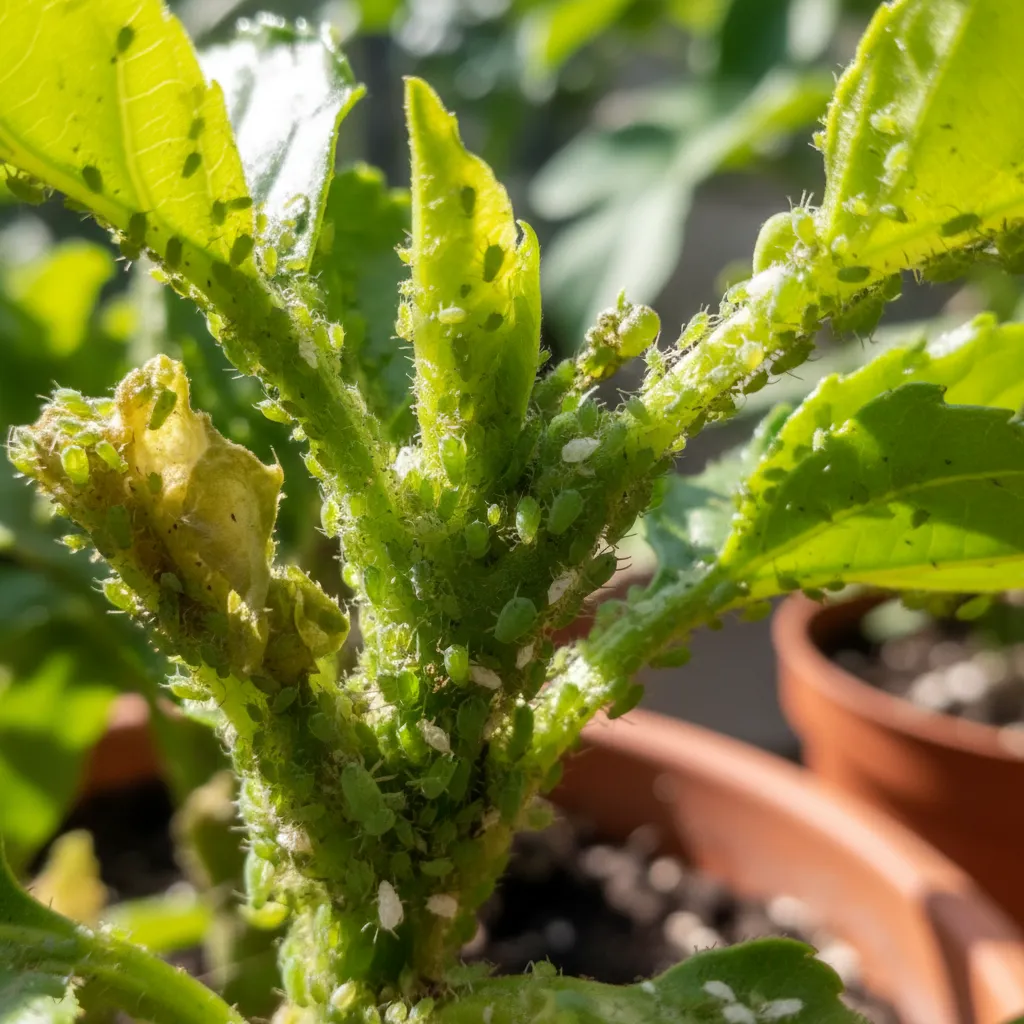
• Holly prefers a well-drained, acidic to neutral soil and should be watered consistently, allowing the upper soil to dry between doses. • Prune to maintain shape and remove any dead or diseased branches during late winter or early spring. • Fertilize with a balanced, slow-release fertilizer in early spring to promote healthy growth. • Be cautious of aphids and holly leaf miners; regular inspection and organic pest control measures can mitigate pest issues. • Mulching in early spring can help retain moisture and suppress weeds during the growing season.
Safety Profile
✓ Highly Toxic When Ingested — All parts of the Ilex aquifolium plant, particularly the attractive red berries and leaves, are considered toxic to humans and pets if consumed, primarily due to their saponin content. ✓ Keep Out of Reach of Children and Pets — It is imperative to ensure that Holly plants, especially those bearing berries, are inaccessible to young children and animals who might be tempted to ingest them. ✓ Avoid Internal Consumption — Internal use of Holly for any medicinal purpose is unequivocally discouraged and unsafe due to its potent emetic, purgative, and potentially cardiotoxic effects. ✓ Immediate Medical Attention for Ingestion — In the event of suspected ingestion, immediate medical attention for humans or veterinary consultation for pets is absolutely critical. ✓ Topical Use with Extreme Caution — While some traditional external applications exist, topical use should be limited to small, intact skin areas and discontinued immediately if any irritation or adverse reaction occurs. ✓ Contraindicated During Pregnancy and Lactation — Due to the lack of safety data and known toxicity, Ilex aquifolium should be strictly avoided by pregnant and breastfeeding individuals. ✓ No Established Safe Medicinal Dosing — There are no scientifically established safe dosages for the internal medicinal use of Ilex aquifolium, reinforcing the recommendation against its consumption.
Side Effects
✓ Severe Gastrointestinal Distress — Ingestion of Holly berries or large quantities of leaves can induce severe nausea, persistent vomiting, intense abdominal pain, and profuse diarrhea due to high saponin content. ✓ Cardiac Irregularities — Ingesting significant amounts of the plant material may, in rare and severe cases, lead to cardiac rhythm disturbances or palpitations. ✓ Central Nervous System Depression — Excessive consumption of Holly can result in central nervous system depression, manifesting as drowsiness, lethargy, or even stupor. ✓ Dehydration and Electrolyte Imbalance — Prolonged or severe vomiting and diarrhea, particularly in vulnerable populations like children or pets, can lead to significant fluid loss and critical electrolyte imbalances. ✓ Allergic Contact Dermatitis — Direct skin contact with the spiny leaves or other plant parts may cause mild irritation, redness, or allergic dermatitis in individuals with sensitive skin. ✓ Liver and Kidney Impact — Although less common, chronic or high-dose exposure to the plant's toxic compounds, especially saponins, could potentially exert a detrimental effect on liver and kidney function. ✓ Oral and Throat Irritation — Chewing or ingesting Holly leaves or berries can cause immediate irritation and a burning sensation in the mouth and throat.
Cultural Significance
*Ilex aquifolium*, commonly known as English or European holly, carries a rich tapestry of cultural significance woven through centuries of European history and folklore. While not a primary medicinal plant in major codified systems like Ayurveda or Traditional Chinese Medicine, its presence in European folk medicine is notable. Historically, various parts of the holly plant, particularly the leaves and berries, were employed in poultices and infusions to address ailments ranging from fevers and coughs to digestive issues and skin irritations. The astringent properties of the leaves were recognized, and they were sometimes used to staunch bleeding or as a tonic. The symbolism of holly is deeply intertwined with winter solstice celebrations and pagan traditions across Europe. Its evergreen nature, retaining its vibrant green foliage and bright red berries throughout the harshest winters, made it a powerful symbol of life, resilience, and rebirth in the face of death and darkness. It was believed to ward off evil spirits and witchcraft, and branches were hung in homes and public spaces to offer protection and good fortune. In Christian traditions, holly became associated with the Nativity, its spiny leaves representing the crown of thorns and its red berries the blood of Christ, further solidifying its role in Christmas decorations and carols. Economically, *Ilex aquifolium* has held a modest but consistent importance. Historically, its wood, being hard and fine-grained, was used for small decorative items, tool handles, and inlay work. Its primary economic value, however, has always been tied to its ornamental appeal, particularly its role in festive decorations. The modern commercialization of holly is largely driven by the horticultural industry, with cultivars bred for specific aesthetic qualities, making it a popular choice for gardens and landscaping across Europe and beyond. Culinary uses of *Ilex aquifolium* are scarce and generally not recommended due to the toxicity of the berries, which contain saponins. While some historical accounts might suggest minor uses, it is primarily the decorative aspect that has permeated cultural practices. Folklore surrounding holly is extensive; the etymology of "holly" itself is believed to derive from the Old English "hēag" (high) or "hāl" (holy), reflecting its revered status. Legends often depict holly as a magical plant, capable of influencing the weather or bestowing blessings upon those who respect it. In modern times, its cultural relevance persists strongly in gardening trends, where its evergreen appeal and festive association make it a cherished addition to winter landscapes and holiday décor, continuing its legacy as a symbol of enduring life and festive cheer.
Quick Facts
| Category | garden |
|---|---|
| Family | Aquifoliaceae |
| Genus | Ilex |
| Species epithet | aquifolium |
| Life cycle | Perennial |
| Growth habit | Shrub |
| Mature height | 2-8 m |
| Sun requirement | Partial Shade |
| Water need | Medium |
| Soil pH | 6.0-7.0 |
| USDA zone | 6-8 |
| Toxicity level | Moderate |
| Edibility | Not edible |
| Conservation status | LC |