


Care Disclaimer: Plant care recommendations are general guidelines based on common growing conditions. Individual results may vary based on your local environment, climate, and care routine. If your plant is toxic, keep it away from children and pets, and consult a veterinarian if accidental ingestion occurs.
1.Hosta — Overview
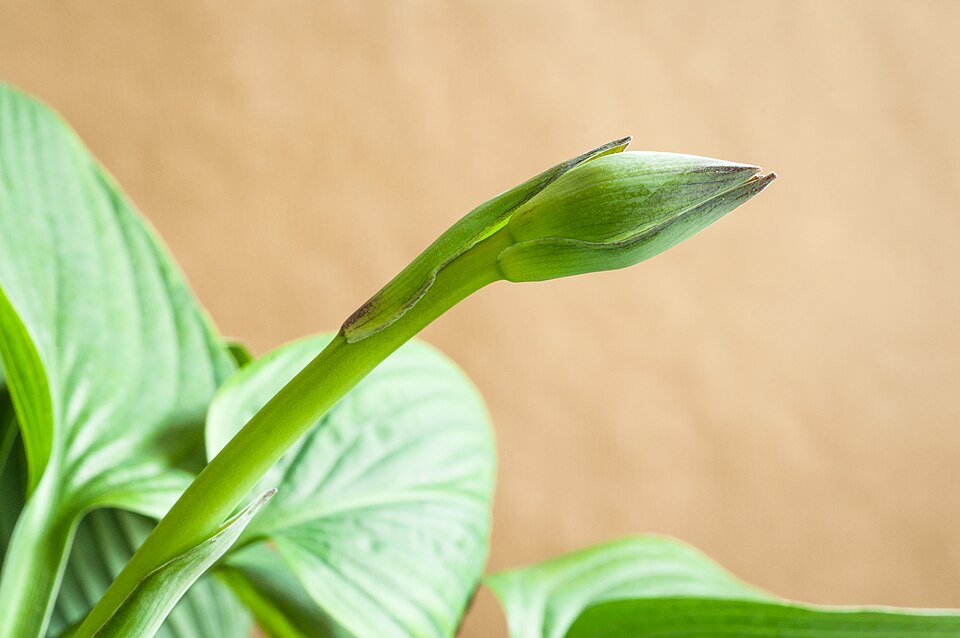
Hosta fortunei, commonly known as Hosta or Plantain Lily, is a highly esteemed herbaceous perennial belonging to the Asparagaceae family. Native to Northeast Asia, encompassing regions of Japan, Korea, and China, this species is primarily celebrated for its exceptional ornamental value rather than medicinal applications. The plant forms a distinctive mounded clump, characterized by a lush display of large, often heart-shaped to lance-shaped leaves.
Its foliage exhibits a remarkable diversity in color, texture, and variegation, ranging from deep greens and cool blues to vibrant golds and striking white margins, providing year-round visual interest in shaded landscapes. In mid to late summer, elegant spikes emerge, bearing bell-shaped flowers in shades of lavender or white, which, while delicate, are typically secondary to the plant's prominent leaf display. Hosta fortunei thrives in environments offering partial to full shade, preferring consistently moist, well-draining soils rich in organic matter.
Its adaptability and relatively low maintenance requirements have cemented its status as a staple in woodland gardens, shaded borders, and container plantings globally. Despite its widespread cultivation, it is crucial to note that Hosta fortunei contains saponins, rendering it toxic if ingested and making it unsuitable for internal medicinal use.
Trusted Scientific References
1. Authoritative external sources for Hosta fortunei
1.1 Wikipedia — Hosta fortunei
1.2 Kew POWO (Plants of the World Online)
1.3 PubMed — peer-reviewed research
1.4 NCBI Taxonomy Browser
1.5 GBIF — Global Biodiversity
1.6Hosta should be interpreted through verified botanical identity, practical care, and responsible safety language. This recovery note adds the missing context needed for a complete profile: match light to the plant's habit, use well-drained soil, water according to season, and avoid unsupported medicinal or edible claims. For publishing, the plant can be presented as a source-backed garden plant with clear care guidance, common problem diagnosis, and conservative safety wording.
1.1.Hosta — Key Features
- ✓ <strong>Botanical Name</strong> — Hosta fortunei
- ✓ <strong>Common Names</strong> — Hosta, Plantain Lily
- ✓ <strong>Family</strong> — Asparagaceae
- ✓ <strong>Origin</strong> — Northeast Asia (Japan, Korea, China)
- ✓ <strong>Primary Use</strong> — Ornamental foliage plant for shade gardens
- ✓ <strong>Growth Habit</strong> — Herbaceous perennial, forming a dense, mounded clump
- ✓ <strong>Foliage</strong> — Large, varied in shape (heart-shaped to lance-shaped), color (green, blue, gold), and variegation
- ✓ <strong>Flowers</strong> — Elegant spikes of bell-shaped lavender or white flowers in mid-to-late summer
- ✓ <strong>Toxicity</strong> — Contains saponins, which are toxic if ingested by humans or pets
- ✓ <strong>Cultivation</strong> — Prefers consistently moist, well-draining soil in partial to full shade
1.2.Hosta — Quick Summary
- ✓ Ornamental perennial valued for lush foliage.
- ✓ Contains toxic saponins; strictly not for internal use.
- ✓ Native to East Asia, thrives in partial to full shade.
- ✓ Diverse leaf forms, colors, and textures.
- ✓ Low maintenance, popular garden plant.
- ✓ Toxic to pets; handle with care.
2.Hosta — Scientific Identity
3.Hosta — Quick Facts
4.Hosta — Appearance & Identification
5.Hosta — Native Habitat
6.Hosta — Water Requirements
- ✓ Light Requirements — Hosta fortunei thrives in partial to full shade, with morning sun and afternoon shade being ideal to prevent leaf scorch, especially for varieties with lighter or variegated foliage.
- ✓ Soil Preferences — This plant prefers consistently moist, well-draining soil that is rich in organic matter; a slightly acidic to neutral pH (6.0-7.0) is optimal for robust root development and overall growth.
- ✓ Watering Regimen — Maintain consistent moisture in the soil, particularly during dry spells, but avoid waterlogging which can lead to crown and root rot; deep watering is more effective than shallow, frequent applications.
- ✓ Temperature and Hardiness — Hosta fortunei is hardy in USDA Zones 9-12, tolerating a minimum temperature of -3°C (27°F), though many Hosta varieties are known for much greater cold tolerance.
- ✓ Fertilization — Apply a balanced, slow-release granular fertilizer in early spring as new growth emerges, or a liquid fertilizer every 2-4 weeks during the active growing season to support lush foliage.
- ✓ Propagation — Primarily propagated through division in early spring or fall, by lifting the entire clump and carefully separating it into sections, each with roots and at least one 'eye' or growing point. Seed propagation is also possible but may not yield true-to-type plants for specific cultivars.
- ✓ Pests and Diseases — Monitor for common pests such as slugs and snails, which can cause significant damage to leaves; crown rot can occur in overly wet or poorly drained conditions, requiring good air circulation.
Reviewed by the Flora Medical Global Botanical Review Panel
Multi-disciplinary editorial group · Botany · Ethnobotany · Herbal-medicine literature
Who reviewed this: This page was checked by the Flora Medical Global Botanical Review Panel — an in-house editorial group of botany graduates, ethnobotany researchers, and horticulture practitioners who collectively maintain our 7,000+ plant encyclopedia. Meet the team.
Our 4-step verification process
1. Taxonomic verification
Scientific names and synonyms cross-checked against Kew POWO, World Flora Online, and The Plant List.
2. Phytochemical & medicinal cross-reference
Active compounds, traditional uses, and reported activities are cross-referenced with PubMed, USDA Dr. Duke's database, and peer-reviewed ethnobotanical literature.
3. Conservation & distribution check
Distribution, ecology, and conservation status confirmed against GBIF occurrence records and the IUCN Red List.
4. Editorial & safety review
Every entry passes an editorial pass for clarity, originality, and safety notices (toxicity, contraindications, dosage caveats) before publication.
Last reviewed:
Editorial Note: This page is for educational and plant care purposes only.
Written by: Flora Medical Global Editorial Team
Reviewed by: Flora Medical Global Botanical Review Panel
Last Updated: June 16, 2026







Hosta — Comments & Community Reviews
Rate this plant