Scientific name: Artocarpus heterophyllus
Bengali name: কাঁঠাল
Family: Moraceae
Genus: Artocarpus
Origin: Asia (India, Southeast Asia)
Quick Summary
✓ Largest tree-borne fruit, native to South and Southeast Asia. ✓ Rich in vitamins, minerals, fiber, and antioxidants. ✓ Supports digestion, immunity, and blood sugar regulation. ✓ Culinary versatility as a fruit and meat substitute. ✓ Traditional uses span across various parts of the tree. ✓ Potential interactions with medications; caution advised for allergies.
Key Features
✓ World's largest tree-borne fruit (up to 55 kg). ✓ Native to India and Southeast Asia. ✓ Evergreen tree, reaching 15-25 meters tall. ✓ Cauliflorous fruiting habit (fruit on trunk/branches). ✓ Distinctive sweet aroma when ripe. ✓ Unripe fruit used as a culinary meat substitute. ✓ Seeds are edible and nutritious when cooked. ✓ Rich in dietary fiber, vitamins (C, B), and minerals (K, Mg). ✓ Contains beneficial antioxidants and phytochemicals. ✓ Valued in traditional medicine for various therapeutic properties.
Description
The Jackfruit Tree, scientifically known as Artocarpus heterophyllus, is a majestic evergreen species belonging to the Moraceae family, which also includes mulberries and figs. Native to the biodiverse regions spanning from the Western Ghats of Southern India to Southeast Asia, this tree is globally celebrated for producing the largest tree-borne fruit. Mature specimens typically reach heights of 15-25 meters (49-82 ft) with impressive trunk diameters up to 1 meter (3.3 ft), providing dense canopy shade with its large, glossy, dark green, alternate, oblong to elliptical leaves. A distinctive botanical feature of A. heterophyllus is its cauliflory, where the massive fruits, botanically classified as a multiple fruit or syncarp, emerge directly from the trunk and older, thicker branches. These fruits can attain astounding sizes, often weighing up to 55 kg (120 lb) and measuring 90 cm (35 in) long and 50 cm (20 in) in diameter. The exterior transitions from a rough, spiky green to a yellowish-brown upon ripening. Internally, the fruit is segmented into numerous fleshy 'bulbs' or arils, each enveloping a single seed, surrounded by a fibrous, stringy matrix. The ripe arils offer a unique flavor profile often likened to a fusion of pineapple, banana, and mango. Unripe jackfruit, with its neutral taste and fibrous, meat-like texture, has gained prominence as a culinary staple and meat alternative in vegetarian and vegan diets. Beyond its culinary versatility, various parts of the Jackfruit Tree—including the fruit, seeds, leaves, bark, and roots—have been traditionally utilized for their diverse therapeutic properties across indigenous medical systems for centuries.Trusted Scientific References
Authoritative external sources for Artocarpus heterophyllus:
বিবরণ (Bengali)
কাঁঠাল গাছ (Artocarpus heterophyllus), যা জাকাফ্রুট, জ্যাক বা আর্টিওকার্পাস ইন্টিজার নামেও পরিচিত, এটি তুঁত এবং ডুমুর পরিবারের (Moraceae) একটি প্রজাতির গাছ। এটি ভারতের দক্ষিণাঞ্চলের পশ্চিমঘাট এবং দক্ষিণ-পূর্ব এশিয়ার মধ্যবর্তী অঞ্চলের স্থানীয় উদ্ভিদ। এই বিস্ময়কর বহুমুখী ফল গাছটি পৃথিবীর বৃহত্তম বৃক্ষ-জাত ফল উৎপাদনের জন্য বিখ্যাত, যার প্রতিটি ফল প্রায় ৫৫ কেজি (১২০ পাউণ্ড) পর্যন্ত ওজনের এবং ৯0 সেমি (৩৫ ইঞ্চি) লম্বা ও ৫০ সেমি (২০ ইঞ্চি) ব্যাসের হতে পারে। গাছটি নিজেই একটি বড়, চিরহরিৎ নমুনা, যা সাধারণত ১৫-২৫ মিটার (৪৯-৮২ ফুট) উচ্চতায় জন্মায় এবং এর কাণ্ডের ব্যাস ১ মিটার (৩.৩ ফুট) পর্যন্ত হতে পারে। এর পাতাগুলো বড়, পর্যায়ক্রমিক, লম্বাটে থেকে উপবৃত্তাকার, চকচকে এবং গাঢ় সবুজ, যা ঘন ছায়া প্রদান করে। কাঁঠাল গাছের সবচেয়েstriking বৈশিষ্ট্য হল এর বিপুল ফলধারণের ক্ষমতা। ফলগুলো, যা বোটানিক্যালি একটি সাইকোনিয়াম হিসাবে বিবেচিত হয়, সরাসরি কাণ্ড ও বড় ডালে (cauliflory) এবং ভারী শাখায় ধরে। পাকা ফলের বাইরের অংশটি অমসৃণ, কাঁটাযুক্ত এবং পাকা অবস্থায় সবুজ থেকে হলুদ-বাদামী রঙের হয়। ভিতরে, ফলটি অসংখ্য বড় বাল্ব নিয়ে গঠিত, প্রতিটি বাল্বের মধ্যে একটি বীজ থাকে, যা তন্তুময় আঁশযুক্ত মণ্ড দ্বারা বেষ্টিত। পাকা ফলের টেক্সচার দৃঢ় এবং সামান্য চিটচিটে থেকে নরম ও কোমল পর্যন্ত পরিবর্তিত হতে পারে। এর সুগন্ধি তীব্র মিষ্টি এবং স্বতন্ত্র, প্রায়শই আনারস, কলা এবং আমের মিশ্রণ হিসাবে বর্ণিত হয়। কাঁচা কাঁঠালের একটি নিরপেক্ষ স্বাদ এবং একটি দৃঢ়, মাংসের মতো টেক্সচার থাকে, যা এটিকে নিরামিষ এবং নিরামিষাশী খাবারে একটি জনপ্রিয় মাংসের বিকল্পে পরিণত করে। রান্না করা বীজও ভোজ্য এবং বাদামের মতো স্বাদযুক্ত। এর রন্ধনসম্পর্কীয় তাৎপর্য ছাড়িয়ে, কাঁঠাল গাছ বিভিন্ন সংস্কৃতিতে ঐতিহ্যবাহী ঔষধে গুরুত্বপূর্ণ স্থান অধিকার করে আছে। গাছের বিভিন্ন অংশ—ফল, পাতা, ছাল, শিকড় এবং বীজ সহ—দীর্ঘকাল ধরে তাদের ঔষধি গুণের জন্য ব্যবহৃত হয়ে আসছে। গাছের কাঠও মূল্যবান, টেকসই এবং পোকামাকড়-প্রতিরোধী, যা আসবাবপত্র তৈরি এবং নির্মাণে ব্যবহৃত হয়। কাঁঠাল গাছের স্থায়িত্ব এবং অভিযোজন ক্ষমতা, এর অসংখ্য ব্যবহার সহ, এটিকে মানব খাদ্য এবং পরিবেশগত সুস্থতার জন্য একটি মূল্যবান সম্পদে পরিণত করেছে। বিভিন্ন পরিবেশে টিকে থাকার ক্ষমতা এবং বহু মানুষকে খাওয়ানোর ক্ষমতা এটিকে একটি উল্লেখযোগ্য কৃষি এবং উদ্ভিদ রাজ্যের বিস্ময় হিসাবে প্রতিষ্ঠা করেছে।
Medicinal Benefits
✓ Antioxidant Properties — Rich in carotenoids, flavonoids, and vitamin C, jackfruit helps neutralize free radicals, reducing oxidative stress and lowering the risk of chronic diseases. ✓ Anti-inflammatory Effects — Compounds like flavonoids and lignans found in jackfruit exhibit anti-inflammatory actions, potentially alleviating symptoms of inflammatory conditions. ✓ Immune System Support — High vitamin C content supports immune cell function, enhancing the body's defense against infections and promoting overall immune health. ✓ Digestive Health — The significant dietary fiber content in jackfruit promotes healthy bowel movements, prevents constipation, and supports a balanced gut microbiome. ✓ Blood Sugar Regulation — Jackfruit's moderate glycemic index and fiber content can aid in slower glucose absorption, contributing to better blood sugar control, particularly in unripe forms. ✓ Cardiovascular Health — Potassium, fiber, and antioxidants contribute to maintaining healthy blood pressure, reducing cholesterol levels, and supporting overall heart function. ✓ Skin Health Promotion — Antioxidants and vitamin C in jackfruit contribute to collagen synthesis, protecting skin from damage and promoting a healthy, youthful complexion. ✓ Bone Health Support — Contains essential minerals like magnesium and calcium, which are crucial for bone density and strength, helping to prevent osteoporosis. ✓ Antimicrobial Activity — Extracts from various parts of the jackfruit tree, particularly the leaves, have shown in vitro activity against certain bacteria and fungi. ✓ Anti-cancer Potential — Lignans, isoflavones, and saponins present in jackfruit have demonstrated anti-proliferative effects against certain cancer cell lines in preliminary studies. ✓ Wound Healing — Traditional medicine uses jackfruit latex and leaf extracts topically for their antiseptic and wound-healing properties, promoting tissue regeneration. ✓ Anemia Prevention — Contains iron and vitamin C, which is vital for iron absorption, making it beneficial in the prevention and management of iron-deficiency anemia.
ঔষধি উপকারিতা (Bengali)
কাঁঠাল গাছ ঔষধি গুণের এক ভান্ডার, যেখানে গাছের বিভিন্ন অংশ এশিয়ার ঐতিহ্যবাহী চিকিৎসা পদ্ধতিতে ব্যবহৃত হয়। **ফল**, বিশেষ করে কাঁচা অবস্থায়, ফাইবার সমৃদ্ধ এবং হজমে সাহায্য করতে পারে, নিয়মিত মলত্যাগ প্রচার করে এবং কোষ্ঠকাঠিন্য প্রতিরোধ করে। মোদিত গ্লাইসেমিক সূচক এবং ফাইবারের কারণে এটি রক্তে শর্করার মাত্রা নিয়ন্ত্রণেও সাহায্য করে বলে বিশ্বাস করা হয়। কাঁঠাল গাছের **পাতা** ব্যথানাশক (ব্যথা উপশমকারী), প্রদাহরোধী এবং ডায়াবেটিস-রোধী বৈশিষ্ট্য প্রদর্শন করেছে। পেষা পাতা দিয়ে তৈরি একটি পুলটিস ছোটখাটো ক্ষত বা ত্বকের জ্বালা কমাতে বাহ্যিকভাবে প্রয়োগ করা যেতে পারে। সিদ্ধ কাঁঠাল পাতা কখনও কখনও ডিকোকশন হিসাবে গ্রহণ করা হয়, যা রক্তে শর্করার নিয়ন্ত্রণে সহায়তা করে ডায়াবেটিস রোগীদের জন্য উপকারী বলে মনে করা হয়। কাঁঠাল গাছের **ছাল** অ্যাস্ট্রিঞ্জেন্ট (সংকোচনকারী) এবং ডায়রিয়া-রোধী বৈশিষ্ট্য ধারণ করে। এটি একটি ডিকোকশন প্রস্তুত করতে ব্যবহার করা যেতে পারে যা ডায়রিয়া এবং অন্যান্য গ্যাস্ট্রোইনটেস্টাইনাল ব্যাধি নিয়ন্ত্রণে সহায়তা করে। ঐতিহ্যবাহী নিরাময়কারীরা ত্বকের রোগ এবং জ্বর চিকিৎসার জন্যও ছাল ব্যবহার করেন। কাঁঠাল গাছের **শিকড়** হাঁপানি-রোধী, মূত্রবর্ধক এবং জ্বর-রোধী (জ্বর-হ্রাসকারী) প্রভাবের জন্য পরিচিত। শিকড় থেকে তৈরি একটি ডিকোকশন হাঁপানির উপসর্গ কমাতে, প্রস্রাব বাড়াতে এবং জ্বর কমাতে ব্যবহার করা যেতে পারে। এটি ডার্মাটাইটিস এবং সোরিয়াসিসের মতো ত্বকের রোগের চিকিৎসাতেও ব্যবহৃত হয়। কাঁঠাল গাছের **বীজ** শুধুমাত্র ভোজ্যই নয়, এতে সম্ভাব্য স্বাস্থ্য উপকারিতা সহ যৌগও থাকে। এটিতে উত্তেজনা-বর্ধক গুণাবলী রয়েছে বলে বিশ্বাস করা হয় এবং এটি শক্তির একটি ভাল উৎস হতে পারে। উপরন্তু, কিছু গবেষণা অনুসারে, কাঁঠাল বীজে অ্যান্টিঅক্সিডেন্ট এবং অ্যান্টিমাইক্রোবিয়াল কার্যকলাপ থাকতে পারে। সামগ্রিকভাবে, কাঁঠাল গাছ একটি সামগ্রিক প্রতিকার, যা হজমের সমস্যা এবং ডায়াবেটিস থেকে শুরু করে ত্বকের সমস্যা এবং শ্বাসকষ্ট পর্যন্ত বিস্তৃত অসুস্থতার সমাধান প্রদান করে। এর ব্যাপক ঐতিহ্যবাহী ব্যবহার প্রাকৃতিক স্বাস্থ্যসেবায় এর উল্লেখযোগ্য ভূমিকা তুলে ধরে।
Benefits
Environmental: Acts as a significant carbon sink due to its large size and evergreen nature, contributing to climate change mitigation. Helps in soil conservation and prevents erosion, especially on slopes. Provides shade and microhabitat for various fauna. Ecological: Supports biodiversity by providing food and shelter for birds, bats, and insects. Its flowers attract pollinators, and its fruits are a food source for wildlife. Economic: Provides a highly valuable food crop globally, supporting livelihoods for farmers. Timber is prized for furniture, construction, and musical instruments, creating additional economic opportunities. Latex has industrial applications. Aesthetically: A majestic, stately tree with large, glossy leaves and unique, oversized fruits, providing visual interest in gardens, parks, and agricultural landscapes. Offers dense shade in tropical heat.
Advantages of Growing
["Abundant and nutritious food source.", "Versatile culinary ingredient (sweet and savory dishes).", "Potential for income generation through fruit sales.", "Sustainable and environmentally friendly crop.", "Provides valuable timber.", "Has significant traditional medicinal applications.", "Contributes to biodiversity and ecosystem health.", "Can be grown in various tropical and subtropical regions.", "Durable and long-lived tree."]
Diseases & Conditions Treated
- Constipation
- Indigestion
- Type 2 Diabetes (adjunct)
- Anemia (iron deficiency)
- Hypertension (mild)
- Oxidative Stress
- Inflammation (mild)
- Skin Infections (topical)
- Minor Wounds (topical)
- Weak Immunity
- Hypercholesterolemia (mild)
- Diarrhea (traditional, bark)
Chemical Constituents
✓ Carotenoids — Beta-carotene, lutein, and zeaxanthin are potent antioxidants, contributing to eye health and reducing oxidative stress. ✓ Flavonoids — Quercetin, rutin, and kaempferol provide antioxidant, anti-inflammatory, and anti-cancer properties. ✓ Phenolic Acids — Gallic acid, caffeic acid, and ferulic acid contribute to the fruit's antioxidant capacity and protective effects. ✓ Lignans — Secoisolariciresinol and matairesinol are phytoestrogens with potential anti-cancer and cardiovascular benefits. ✓ Saponins — Triterpenoid saponins found in leaves and seeds exhibit antimicrobial and cholesterol-lowering activities. ✓ Tannins — Present in bark and leaves, tannins possess astringent and antimicrobial properties, traditionally used for wound healing. ✓ Vitamins — High levels of Vitamin C (ascorbic acid) and B vitamins (B1, B2, B3, B6, folate) support metabolism and immune function. ✓ Minerals — Significant amounts of potassium, magnesium, calcium, iron, and phosphorus are crucial for various physiological processes. ✓ Dietary Fiber — Both soluble and insoluble fibers are abundant, aiding digestion and blood sugar regulation. ✓ Glycosides — Various glycosides, including cyanogenic glycosides in seeds (requiring cooking), contribute to diverse biological activities. ✓ Steroids — Phytosterols like beta-sitosterol are present, known for their cholesterol-lowering effects. ✓ Volatile Compounds — Esters and alcohols contribute to the distinctive aroma of ripe jackfruit.
Usage Method
✓ Fresh Fruit Consumption — Ripe jackfruit bulbs can be eaten raw, providing a sweet, tropical flavor for snacks or desserts. ✓ Culinary Meat Substitute — Unripe green jackfruit is boiled and shredded, then seasoned and cooked as a versatile vegan alternative to meat in curries, tacos, and stir-fries. ✓ Seed Preparation — Jackfruit seeds are edible after cooking; they can be boiled, roasted, or ground into flour, offering a nutty flavor. ✓ Leaf Tea — Dried jackfruit leaves are steeped to make a tea traditionally used for blood sugar management and anti-inflammatory purposes. ✓ Bark Decoction — Bark is traditionally boiled to create a decoction used for treating various ailments, including skin conditions and digestive issues. ✓ Topical Application — The milky latex from the fruit or tree is applied topically to minor cuts, wounds, or skin irritations for its antiseptic properties. ✓ Medicinal Extracts — Concentrated extracts from leaves, bark, or roots are used in traditional systems for targeted therapeutic effects. ✓ Jam and Preserve Making — Ripe jackfruit pulp is often processed into jams,jellies, and preserves, extending its shelf life and culinary uses.
Cultivation Method
✓ Optimal Climate — Thrives in warm, humid tropical conditions (USDA zones 10-12) with temperatures between 70-90°F (21-32°C). ✓ Sunlight Requirement — Requires full sun exposure, at least six hours daily, for robust growth and fruit production. ✓ Soil Preference — Prefers loamy, moist, well-drained soil with a pH range of 6-7 (slightly acidic to neutral). ✓ Watering — Needs consistent moisture, especially during establishment; avoid waterlogging to prevent root rot. ✓ Fertilization — Fertilize twice yearly in spring and fall with a slow-release granular fertilizer, supplemented with annual compost. ✓ Propagation — Commonly propagated by grafting or fresh seeds; stem cuttings are less successful but possible with rooting hormone. ✓ Spacing — Plant at least 20-30 feet (6-9 meters) away from other structures or plants due to its large mature size. ✓ Pruning — Minimal pruning for young trees; for mature trees, prune after harvest to remove dead branches and manage height, encouraging lateral growth.
Environment & Growth
Jackfruit trees thrive in **tropical and subtropical climates** with high humidity. They require: * **Temperature:** Warm temperatures year-round, ideally between 20°C to 30°C (68°F to 86°F). They are sensitive to frost and can be damaged by temperatures below 0°C (32°F). * **Sunlight:** Full sun is essential for healthy growth and abundant fruiting, requiring at least 6-8 hours of direct sunlight daily. * **Rainfall:** Consistent rainfall is preferred, ideally 1000-2000 mm (40-80 inches) annually, with a distinct but not prolonged dry season. Irrigation is necessary in areas with insufficient rainfall. * **Soil:** Deep, well-draining loamy or sandy-loam soils are ideal. They prefer a slightly acidic to neutral pH range of 6.0 to 7.5. Waterlogged soils can lead to root rot. * **Humidity:** High atmospheric humidity supports optimal growth and fruit development.
Care Tips
["Water regularly, especially during dry seasons, but ensure good drainage to prevent root rot.", "Fertilize young trees with a balanced fertilizer. Mature trees benefit from compost or organic manure applied annually.", "Prune to shape the tree, remove dead or diseased branches, and improve air circulation.", "Protect young saplings from strong winds and extreme temperatures.", "Monitor for pests and diseases, although jackfruit trees are generally robust.", "Mulching can help retain soil moisture and suppress weeds."]
Propagation Methods
["Seed propagation: Seeds from ripe fruit can be sown immediately or stored for a short period. Germination rates are usually high.", "Grafting: Budding and grafting are common methods that ensure desirable traits and faster fruiting. This is preferred for commercial cultivation.", "Cuttings: Stem cuttings can be rooted, though success rates can vary."]
Common Problems
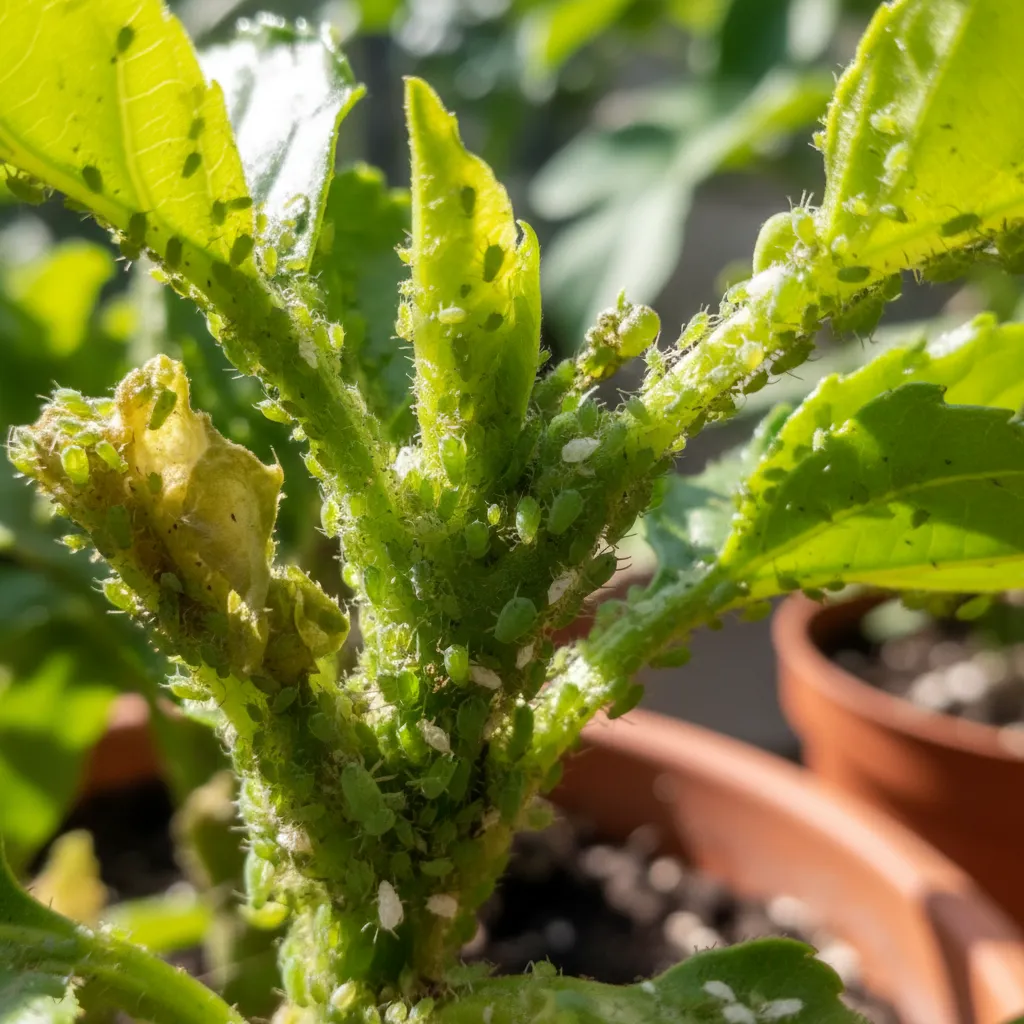
Common pests: Fruit flies (Bactrocera dorsalis) lay eggs in mature fruits, leading to larval infestation. Solutions: Bagging fruits, pheromone traps, proper orchard sanitation. Stem borers (Batocera rufomaculata) can tunnel into the trunk and branches, causing damage. Solutions: Manual removal, injecting botanical insecticides into tunnels, maintaining tree vigor. Common diseases: Pink disease (Corticium salmonicolor) causes bark cankers and branch dieback. Solutions: Pruning infected branches, applying Bordeaux mixture. Fruit rot (Rhizopus artocarpi, Phytophthora spp.) occurs during wet conditions or post-harvest. Solutions: Improve air circulation, harvest carefully, practice sanitation. Nutrient deficiencies: Yellowing leaves (chlorosis) can indicate iron or zinc deficiency, especially in alkaline soils. Solutions: Foliar sprays of chelated micronutrients, soil amendment with acidic organic matter. Excessive leaf drop can be due to nitrogen deficiency. Solutions: Apply nitrogen-rich organic fertilizers. Organic solutions: Neem oil sprays for insect pests, compost tea applications for soil health and disease resistance, proper mulching to retain moisture and suppress weeds.
Toxicity & Safety
No known significant toxicity for humans when consuming fruit, seeds, and traditionally prepared leaves or bark extracts. The latex, abundant in unripe fruit and tree parts, can cause skin irritation or allergic reactions in sensitive individuals; it is advisable to wear gloves when handling unripe fruit. Overconsumption of ripe fruit is generally safe but due to its high carbohydrate content, individuals with diabetes should monitor intake. Certain alkaloids and saponins found in leaves and bark, while medicinally active, could be problematic if consumed in excessively high, uncontrolled doses, however, this is not a concern with standard dietary or traditional therapeutic use. No specific overdose symptoms are widely reported beyond potential mild gastrointestinal upset. First aid for latex exposure involves washing the affected area with soap and water or applying oil to help remove the sticky residue.
Safety Profile
✓ Moderation is Key — Consume jackfruit in moderate amounts, especially when using it for medicinal purposes, to avoid adverse effects. ✓ Allergy Caution — Individuals with known allergies to latex or birch pollen should exercise caution or avoid jackfruit. ✓ Diabetes Management — Diabetics should monitor blood glucose levels closely if consuming jackfruit, especially in medicinal quantities, due to its hypoglycemic potential. ✓ Surgical Patients — Discontinue jackfruit consumption at least two weeks before scheduled surgery due to potential blood clotting interference. ✓ Pregnancy/Breastfeeding — Limited safety data; pregnant or lactating women should consult a healthcare provider before using medicinal doses. ✓ Quality and Purity — Ensure jackfruit and its products are sourced from reputable suppliers to avoid contamination or adulteration. ✓ Topical Use — Perform a patch test before extensive topical application of latex or extracts to check for skin sensitivity.
Side Effects
✓ Allergic Reactions — Individuals sensitive to birch pollen or latex may experience allergic reactions (oral allergy syndrome). ✓ Blood Coagulation — High doses of jackfruit extracts might interfere with blood clotting, potentially problematic for those on anticoagulants. ✓ Hypoglycemia Risk — Due to its blood sugar-lowering effects, consuming large amounts alongside diabetes medication could lead to hypoglycemia. ✓ Digestive Upset — Excessive unripe jackfruit consumption can cause bloating, gas, or diarrhea due to its high fiber content. ✓ Drug Interactions — Potential interactions with medications for diabetes, blood thinning, and immunosuppressants may occur. ✓ Latex Sensitivity — The sticky latex contained in jackfruit can cause skin irritation or allergic contact dermatitis in sensitive individuals. ✓ Pregnancy and Lactation — Lack of sufficient research, therefore advised to consume in moderation or avoid large medicinal quantities.
Cultural Significance
In Ayurveda, the jackfruit (Panasa) is classified as 'Sheet Virya' (cooling potency) and is considered 'Guru' (heavy to digest) and 'Snigdha' (unctuous). Unripe fruit is 'Grahi' (absorbent) and used for diarrhea, while ripe fruit is 'Brmhana' (nutritive, tissue-building). The seeds are considered aphrodisiac and nourishing. In Bengali culture, jackfruit is revered as the 'national fruit of Bangladesh' and is often called 'gachh patha' or 'tree mutton' due to its fibrous texture, making it a popular meat substitute. It frequently appears in folk songs and proverbs, symbolizing abundance and resilience. In various Southeast Asian cultures, the tree itself is considered auspicious, planted in home gardens for good fortune and prosperity. Its leaves are sometimes used in Hindu religious ceremonies and offerings. The durable timber has been traditionally used for carving idols and making temple doors in India. The fruit's sheer size and sustained yield have made it a symbol of sustenance and life-giving properties in many ancient agrarian societies.
Quick Facts
| Category | garden |
|---|---|
| Family | Moraceae |
| Genus | Artocarpus |
| Species epithet | heterophyllus |
| Life cycle | Perennial |
| Growth habit | Tree |
| Mature height | 10-20 m |
| Sun requirement | Full Sun |
| Water need | High |
| Soil pH | 5.5-7.0 |
| USDA zone | 10-11 |
| Toxicity level | Non-toxic |
| Edibility | Edible |
| Conservation status | NE |