
Care Disclaimer: Plant care recommendations are general guidelines based on common growing conditions. Individual results may vary based on your local environment, climate, and care routine. If your plant is toxic, keep it away from children and pets, and consult a veterinarian if accidental ingestion occurs.
1.Japanese Anemone — Overview
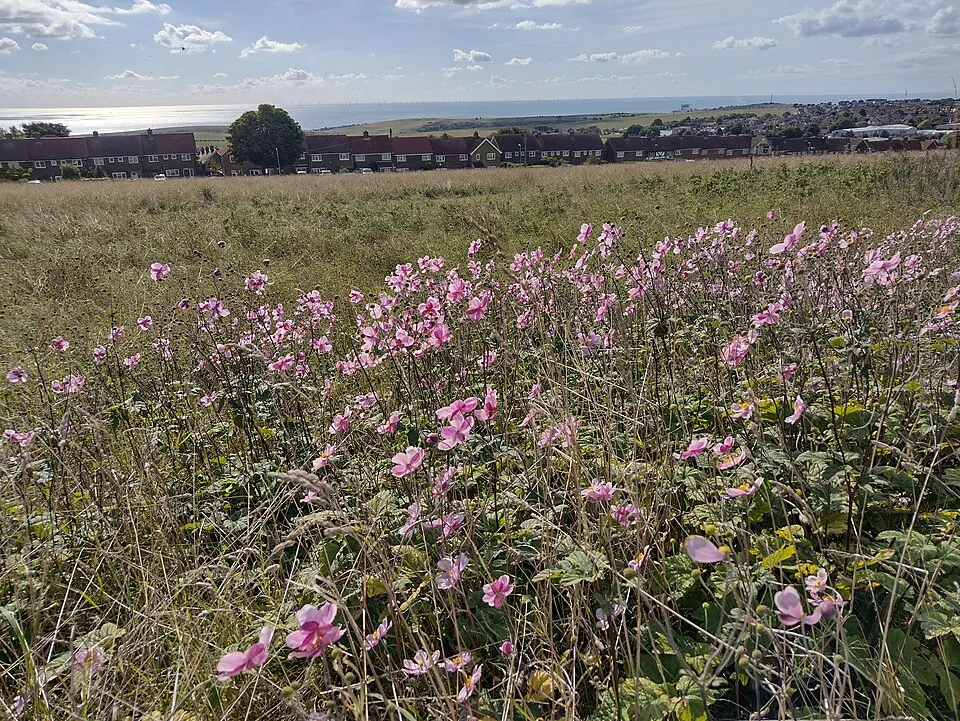
Japanese Anemone, scientifically known as Anemone x hybrida, is a captivating herbaceous perennial belonging to the extensive Ranunculaceae family, commonly referred to as the buttercup family. This elegant hybrid species is celebrated for its striking, showy flowers that grace gardens from late summer through autumn, providing crucial color as other blooms fade. The flowers typically present in delicate shades of white, pink, or lavender, varying in form from simple single petals to lush double blooms, each measuring between 1 to 3 inches across with distinctive yellow stamens at their core.
Its foliage consists of deeply lobed, glossy, dark green leaves, which are often trifoliate or palmate and finely toothed, emerging from a robust central stem. Mature plants generally reach a height of 60 to 90 cm (2 to 3 feet) and can spread significantly, up to 1.2 to 1.8 meters (4 to 6 feet) wide, via rhizomatous growth, making them excellent groundcovers in suitable conditions. Anemone x hybrida thrives in temperate climates, preferring moist, well-drained, and fertile soils rich in organic matter, though it demonstrates adaptability to various soil types.
While it can tolerate full sun in cooler regions, partial shade is often ideal, especially in warmer southern climates, to prevent leaf scorch and ensure prolific flowering. This plant is a popular choice for landscape design, frequently found in garden borders, naturalized areas, and woodland settings.
Trusted Scientific References
1. Authoritative external sources for Anemone x hybrida
1.1 Wikipedia — Anemone x hybrida
1.2 Kew POWO (Plants of the World Online)
1.3 PubMed — peer-reviewed research
1.4 NCBI Taxonomy Browser
1.5 GBIF — Global Biodiversity
1.6Japanese Anemone should be interpreted through verified botanical identity, practical care, and responsible safety language. This recovery note adds the missing context needed for a complete profile: match light to the plant's habit, use well-drained soil, water according to season, and avoid unsupported medicinal or edible claims. For publishing, the plant can be presented as a source-backed garden plant with clear care guidance, common problem diagnosis, and conservative safety wording.
1.1.Japanese Anemone — Key Features
- ✓ <strong>Botanical Name</strong> — Anemone x hybrida, a hybrid perennial in the Ranunculaceae family.
- ✓ <strong>Common Names</strong> — Japanese Anemone, Thimbleflower, Windflower, reflecting its delicate appearance.
- ✓ <strong>Blooming Season</strong> — Offers showy flowers from late summer into autumn, extending garden interest.
- ✓ <strong>Flower Colors</strong> — Features elegant blooms in shades of white, pink, or lavender, often with yellow centers.
- ✓ <strong>Growth Habit</strong> — Forms clumps and spreads via rhizomes, reaching 1-3 feet tall and 4-6 feet wide.
- ✓ <strong>Medicinal Properties</strong> — Traditionally used for anti-inflammatory, analgesic, and wound-healing effects.
- ✓ <strong>Key Constituents</strong> — Contains beneficial flavonoids, saponins, triterpenoids, but also toxic protoanemonin.
- ✓ <strong>Toxicity Warning</strong> — Fresh plant parts are toxic if ingested, causing irritation and gastrointestinal distress.
- ✓ <strong>Landscape Use</strong> — Ideal for borders, mass plantings, naturalized areas, and cottage gardens in partial shade.
- ✓ <strong>Cultivation Requirements</strong> — Prefers consistently moist, well-drained, organically rich soil and protection from harsh afternoon sun.
1.2.Japanese Anemone — Quick Summary
- ✓ Japanese Anemone is a beautiful perennial blooming from late summer to fall, offering white, pink, or purple flowers.
- ✓ Traditionally valued for its anti-inflammatory, analgesic, and wound-healing properties in various cultures.
- ✓ Phytochemically rich with flavonoids, saponins, and triterpenoids, but notably contains the irritant protoanemonin.
- ✓ Due to its inherent toxicity, particularly when fresh, it is primarily recommended for external applications and with extreme caution.
- ✓ Cultivates best in partial shade with moist, well-drained, organically rich soil.
- ✓ Always prioritize safety; avoid ingestion and seek professional advice for any medicinal use.
2.Japanese Anemone — Scientific Identity
3.Japanese Anemone — Quick Facts
4.Japanese Anemone — Appearance & Identification
5.Japanese Anemone — Native Habitat
6.Japanese Anemone — Water Requirements
- ✓ Soil Preference — Thrives in moist, well-drained, fertile soil generously enriched with organic matter to ensure robust growth.
- ✓ Light Requirements — Prefers partial shade, especially in warmer climates to protect foliage, but can tolerate full sun in cooler northern zones.
- ✓ Watering Regimen — Requires consistent moisture; regular watering is crucial, particularly during dry spells, but ensure good drainage to prevent waterlogging.
- ✓ Winter Protection — In colder USDA zones (4-5), applying a thick layer of mulch in winter helps protect rhizomes from freezing temperatures.
- ✓ Propagation — Easily propagated by division of its rhizomatous root system in early spring or late autumn, ensuring each section has roots and shoots.
- ✓ Pest & Disease Management — Generally resistant to deer and rabbits, but monitor for occasional pests like flea beetles or slugs and diseases such as powdery mildew or Septoria leaf spot.
- ✓ Support for Taller Varieties — Taller cultivars may benefit from staking or other support to prevent their graceful, wiry stems from flopping, especially in windy conditions.
- ✓ Establishment Period — Be patient, as Japanese Anemones can be slow to establish, often taking a full season to settle in before flourishing.
Reviewed by the Flora Medical Global Botanical Review Panel
Multi-disciplinary editorial group · Botany · Ethnobotany · Herbal-medicine literature
Who reviewed this: This page was checked by the Flora Medical Global Botanical Review Panel — an in-house editorial group of botany graduates, ethnobotany researchers, and horticulture practitioners who collectively maintain our 7,000+ plant encyclopedia. Meet the team.
Our 4-step verification process
1. Taxonomic verification
Scientific names and synonyms cross-checked against Kew POWO, World Flora Online, and The Plant List.
2. Phytochemical & medicinal cross-reference
Active compounds, traditional uses, and reported activities are cross-referenced with PubMed, USDA Dr. Duke's database, and peer-reviewed ethnobotanical literature.
3. Conservation & distribution check
Distribution, ecology, and conservation status confirmed against GBIF occurrence records and the IUCN Red List.
4. Editorial & safety review
Every entry passes an editorial pass for clarity, originality, and safety notices (toxicity, contraindications, dosage caveats) before publication.
Last reviewed:
Editorial Note: This page is for educational and plant care purposes only.
Written by: Flora Medical Global Editorial Team
Reviewed by: Flora Medical Global Botanical Review Panel
Last Updated: June 16, 2026







Japanese Anemone — Comments & Community Reviews
Rate this plant