
Care Disclaimer: Plant care recommendations are general guidelines based on common growing conditions. Individual results may vary based on your local environment, climate, and care routine. If your plant is toxic, keep it away from children and pets, and consult a veterinarian if accidental ingestion occurs.
1.Jasmine — Overview
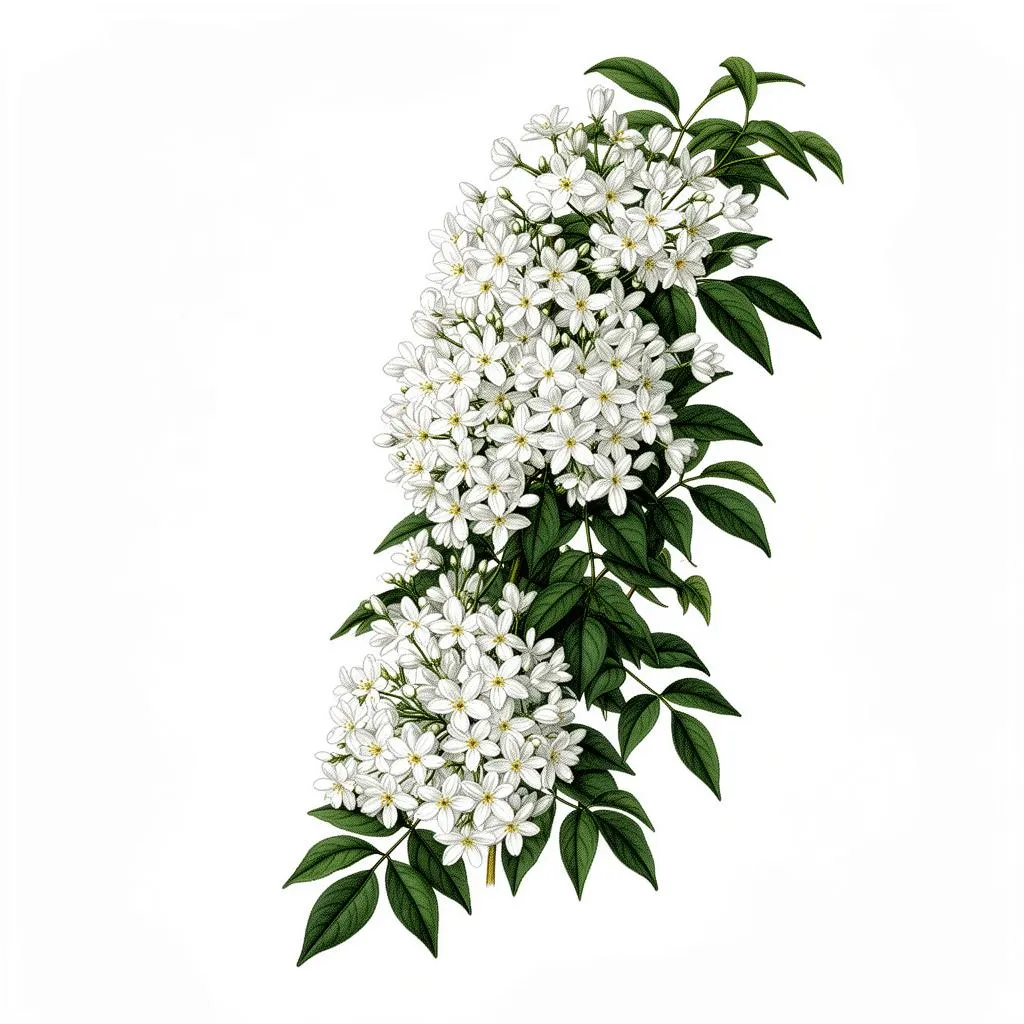
Jasmine, belonging to the genus Jasminum within the Oleaceae family, encompasses approximately 200 species renowned for their highly fragrant, often star-shaped flowers. Native to tropical and subtropical regions across Eurasia, Australasia, and Africa, these plants exhibit remarkable morphological diversity, ranging from erect shrubs to vigorous climbing vines and groundcovers, typically reaching heights of 1 to 4 meters depending on the species and environmental factors. Their foliage is characteristically opposite, presenting either simple or pinnately compound leaves with a glossy, dark green appearance.
The blossoms, predominantly white or yellow but occasionally pink or purple, typically feature five to nine petals. The intense, sweet, and intoxicating perfume of jasmine is most potent during the evening, making it highly prized in perfumery, aromatherapy, and ornamental horticulture globally. Jasminum species thrive in well-drained, fertile soils rich in organic matter and prefer warm climates with ample sunlight to partial shade.
This widespread cultivation underscores their aesthetic appeal and significant economic value, particularly for the meticulous extraction of their precious essential oil, a key ingredient in many high-end products and traditional medicines. The genus is characterized by its distinct floral structure and aromatic profile, contributing significantly to biodiversity in its native ranges.
Trusted Scientific References
1. Authoritative external sources for Jasminum spp.
1.1 Wikipedia — Jasminum spp.
1.2 Kew POWO (Plants of the World Online)
1.3 PubMed — peer-reviewed research
1.4 NCBI Taxonomy Browser
1.5 GBIF — Global Biodiversity
1.6Jasmine should be interpreted through verified botanical identity, practical care, and responsible safety language. This recovery note adds the missing context needed for a complete profile: match light to the plant's habit, use well-drained soil, water according to season, and avoid unsupported medicinal or edible claims. For publishing, the plant can be presented as a source-backed garden plant with clear care guidance, common problem diagnosis, and conservative safety wording.
1.1.Jasmine — Key Features
- ✓ <strong>Highly aromatic flowers</strong> — Highly aromatic flowers with a sweet, intoxicating scent.
- ✓ <strong>Diverse growth habits,</strong> — Diverse growth habits, from shrubs to climbing vines.
- ✓ <strong>Native to tropical</strong> — Native to tropical and subtropical regions across multiple continents.
- ✓ <strong>Flowers typically possess 5</strong> — 9 petals, often white or yellow.
- ✓ <strong>Key ingredient in</strong> — Key ingredient in perfumery and aromatherapy industries.
- ✓ <strong>Rich in volatile</strong> — Rich in volatile compounds, flavonoids, and triterpenes.
- ✓ <strong>Traditionally used for its calming, mood</strong> — enhancing, and aphrodisiac effects.
- ✓ <strong>Requires warm, humid conditions and well</strong> — drained, fertile soil.
- ✓ <strong>Important ornamental plant</strong> — Important ornamental plant globally for its aesthetic and olfactory appeal.
- ✓ <strong>Essential oil extraction</strong> — Essential oil extraction is a significant economic use.
1.2.Jasmine — Quick Summary
- ✓ Jasmine is a fragrant genus within the Oleaceae family, native to tropical and subtropical regions.
- ✓ Renowned for its intensely sweet, star-shaped flowers, primarily white or yellow.
- ✓ Valued in aromatherapy for its anxiolytic, antidepressant, and sedative properties.
- ✓ Contains beneficial compounds like linalool, benzyl acetate, and various flavonoids.
- ✓ Used in traditional medicine for relaxation, mood enhancement, and skin health.
- ✓ Requires warm climates, well-drained soil, and ample sunlight for optimal growth.
2.Jasmine — Scientific Identity
3.Jasmine — Quick Facts
4.Jasmine — Appearance & Identification
5.Jasmine — Native Habitat
6.Jasmine — Water Requirements
- ✓ Soil Preference — Thrives in well-drained, fertile soil with a slightly acidic to neutral pH (6.0-7.0).
- ✓ Sunlight Requirements — Prefers full sun to partial shade; at least 6 hours of direct sunlight daily for optimal flowering.
- ✓ Watering — Requires consistent moisture; water deeply when the top inch of soil feels dry, but avoid waterlogging.
- ✓ Temperature and Humidity — Prefers warm, humid climates; protect from frost as most species are not cold-hardy.
- ✓ Fertilization — Feed monthly during the growing season (spring to fall) with a balanced liquid fertilizer.
- ✓ Pruning — Prune after flowering to maintain shape, remove dead wood, and encourage bushier growth.
- ✓ Propagation — Easily propagated from stem cuttings in spring or summer, or by layering.
- ✓ Pests and Diseases — Generally robust, but can be susceptible to spider mites, aphids, and powdery mildew if conditions are poor.
Reviewed by the Flora Medical Global Botanical Review Panel
Multi-disciplinary editorial group · Botany · Ethnobotany · Herbal-medicine literature
Who reviewed this: This page was checked by the Flora Medical Global Botanical Review Panel — an in-house editorial group of botany graduates, ethnobotany researchers, and horticulture practitioners who collectively maintain our 7,000+ plant encyclopedia. Meet the team.
Our 4-step verification process
1. Taxonomic verification
Scientific names and synonyms cross-checked against Kew POWO, World Flora Online, and The Plant List.
2. Phytochemical & medicinal cross-reference
Active compounds, traditional uses, and reported activities are cross-referenced with PubMed, USDA Dr. Duke's database, and peer-reviewed ethnobotanical literature.
3. Conservation & distribution check
Distribution, ecology, and conservation status confirmed against GBIF occurrence records and the IUCN Red List.
4. Editorial & safety review
Every entry passes an editorial pass for clarity, originality, and safety notices (toxicity, contraindications, dosage caveats) before publication.
Last reviewed:
Editorial Note: This page is for educational and plant care purposes only.
Written by: Flora Medical Global Editorial Team
Reviewed by: Flora Medical Global Botanical Review Panel
Last Updated: June 16, 2026







Jasmine — Comments & Community Reviews
Rate this plant