

Care Disclaimer: Plant care recommendations are general guidelines based on common growing conditions. Individual results may vary based on your local environment, climate, and care routine. If your plant is toxic, keep it away from children and pets, and consult a veterinarian if accidental ingestion occurs.
1.Kolkwitzia Amabilis — Overview
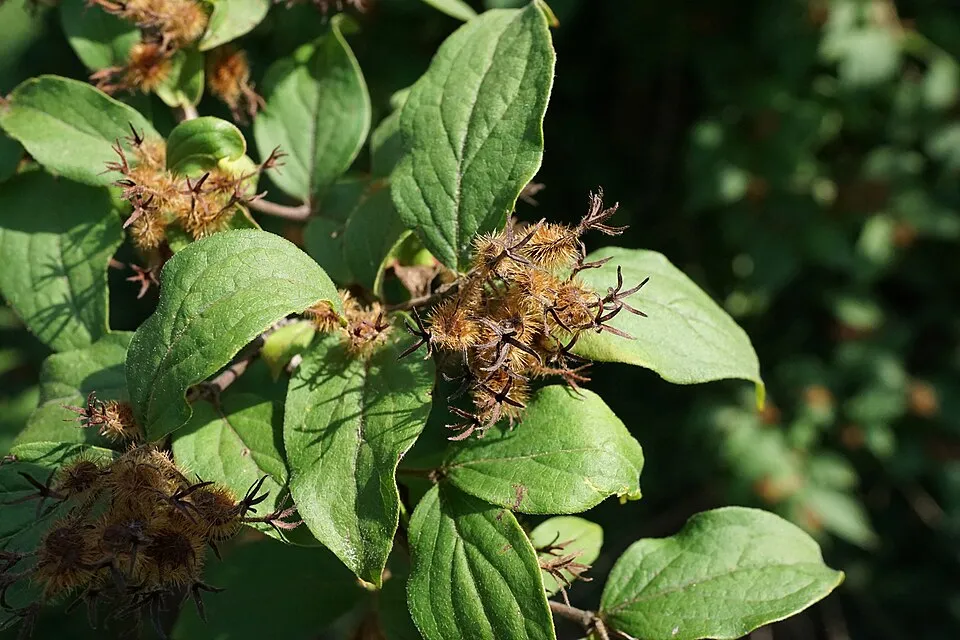
Kolkwitzia amabilis, commonly known as Beautybush, is a captivating deciduous shrub belonging to the Caprifoliaceae family. Native to central and eastern China, it was introduced to the horticultural world for its exceptional ornamental value. This elegant plant typically grows to an arching, vase-shaped habit, reaching heights of 6 to 10 feet with a similar spread.
Its stems are often upright, developing a fountain-like appearance, though older specimens may become somewhat leggy with foliage concentrated towards the upper branches. The leaves are simple, opposite, ovate, and a vibrant dark green throughout the growing season. In late spring to early summer, the Beautybush produces an abundance of delicate, bell-shaped flowers, predominantly pink with distinctive yellow throats, creating a spectacular display.
These blossoms emerge on old wood, giving rise to its seasonal charm. Following flowering, small, hairy, ovoid capsules develop, which often persist on the shrub, offering some winter interest, especially when its bark begins to exfoliate on mature stems. While primarily cultivated for its aesthetic appeal, its robust nature allows it to thrive in various temperate garden settings, making it a beloved choice for borders, specimen plantings, and hedges.
Trusted Scientific References
1. Authoritative external sources for Kolkwitzia amabilis
1.1 Wikipedia — Kolkwitzia amabilis
1.2 Kew POWO (Plants of the World Online)
1.3 PubMed — peer-reviewed research
1.4 NCBI Taxonomy Browser
1.5 GBIF — Global Biodiversity
1.6Kolkwitzia Amabilis should be interpreted through verified botanical identity, practical care, and responsible safety language. This recovery note adds the missing context needed for a complete profile: match light to the plant's habit, use well-drained soil, water according to season, and avoid unsupported medicinal or edible claims. For publishing, the plant can be presented as a source-backed garden plant with clear care guidance, common problem diagnosis, and conservative safety wording.
1.1.Kolkwitzia Amabilis — Key Features
- ✓ <strong>Deciduous Shrub</strong> — Loses leaves in winter.
- ✓ <strong>Showy Pink Flowers</strong> — Abundant bell-shaped blooms with yellow throats.
- ✓ <strong>Arching, Vase</strong> — Shaped Habit — Graceful, fountain-like form.
- ✓ <strong>Low Maintenance</strong> — Generally hardy and disease-resistant.
- ✓ <strong>Drought Tolerant</strong> — Once established, handles dry periods well.
- ✓ <strong>Deer Resistant</strong> — Not typically browsed by deer.
- ✓ <strong>Clay Soil Tolerant</strong> — Adaptable to various soil types.
- ✓ <strong>Pollinator Plant</strong> — Attracts bees and butterflies.
- ✓ <strong>Exfoliating Bark</strong> — Provides winter interest on mature stems.
- ✓ <strong>Native to China</strong> — Originates from central and eastern China.
1.2.Kolkwitzia Amabilis — Quick Summary
- ✓ Kolkwitzia amabilis, or Beautybush, is a deciduous ornamental shrub.
- ✓ Celebrated for profuse pink, bell-shaped flowers in late spring/early summer.
- ✓ Native to China, known for arching habit and low maintenance.
- ✓ Primarily aesthetic; limited traditional or modern medicinal uses.
- ✓ Contains general plant compounds like flavonoids and phenolic acids.
- ✓ Tolerant of drought, deer, and clay soil once established.
2.Kolkwitzia Amabilis — Scientific Identity
3.Kolkwitzia Amabilis — Quick Facts
4.Kolkwitzia Amabilis — Appearance & Identification
5.Kolkwitzia Amabilis — Native Habitat
6.Kolkwitzia Amabilis — Water Requirements
- ✓ Site Selection — Choose a location with full sun to partial shade for optimal flowering and robust growth, ensuring good air circulation.
- ✓ Soil Requirements — Prefers well-drained, moderately fertile soil with a slightly acidic to neutral pH (6.0-7.0); tolerates a range of soil types including clay once established.
- ✓ Watering — Requires regular watering during its establishment period; mature plants are quite drought-tolerant but benefit from supplemental water during prolonged dry spells.
- ✓ Fertilization — Apply a balanced, slow-release granular fertilizer in early spring, especially if soil fertility is low, to encourage vigorous growth and abundant blooms.
- ✓ Pruning — Prune immediately after flowering to remove spent blooms, maintain its graceful arching shape, and encourage new growth for the following season's flowers; avoid hard winter pruning as it blooms on old wood.
- ✓ Propagation — Easily propagated by softwood cuttings taken in early summer or by sowing seeds, though seed germination can be variable and slow.
- ✓ Pest and Disease Management — Generally resistant to most common pests and diseases; monitor for aphids or powdery mildew in humid conditions.
- ✓ Winter Care — Highly cold hardy (USDA Zones 4-8), requiring minimal winter protection in most suitable climates; some exfoliating bark provides winter interest.
Reviewed by the Flora Medical Global Botanical Review Panel
Multi-disciplinary editorial group · Botany · Ethnobotany · Herbal-medicine literature
Who reviewed this: This page was checked by the Flora Medical Global Botanical Review Panel — an in-house editorial group of botany graduates, ethnobotany researchers, and horticulture practitioners who collectively maintain our 7,000+ plant encyclopedia. Meet the team.
Our 4-step verification process
1. Taxonomic verification
Scientific names and synonyms cross-checked against Kew POWO, World Flora Online, and The Plant List.
2. Phytochemical & medicinal cross-reference
Active compounds, traditional uses, and reported activities are cross-referenced with PubMed, USDA Dr. Duke's database, and peer-reviewed ethnobotanical literature.
3. Conservation & distribution check
Distribution, ecology, and conservation status confirmed against GBIF occurrence records and the IUCN Red List.
4. Editorial & safety review
Every entry passes an editorial pass for clarity, originality, and safety notices (toxicity, contraindications, dosage caveats) before publication.
Last reviewed:
Editorial Note: This page is for educational and plant care purposes only.
Written by: Flora Medical Global Editorial Team
Reviewed by: Flora Medical Global Botanical Review Panel
Last Updated: June 16, 2026







Kolkwitzia Amabilis — Comments & Community Reviews
Rate this plant