Flora Medical Global logo

Lime Tree (Citrus aurantiifolia)

Scientific name: Citrus aurantiifolia

Bengali name: লাইম গাছ

Family: Rutaceae

Genus: Citrus

Origin: Southeast Asia (Malaysia, Indonesia, Philippines)

Quick Summary

✓ Citrus aurantiifolia is a small, thorny evergreen tree known for its tart, aromatic fruits. ✓ Rich in Vitamin C, antioxidants, and essential oils, offering immune, digestive, and skin benefits. ✓ Requires warm climate, full sun, and well-drained soil for optimal growth. ✓ Used extensively in culinary applications, traditional medicine, and aromatherapy. ✓ Key safety concerns include phytophotodermatitis and potential tooth enamel erosion. ✓ Important constituent include citric acid, Vitamin C, flavonoids, and limonoids.

Key Features

✓ Distinctive Tart Flavor — Highly acidic fruit with a unique, pungent taste. ✓ Aromatic Zest — Peel rich in essential oils, providing a strong citrus fragrance. ✓ High Vitamin C Content — Excellent source of ascorbic acid for immune support. ✓ Thorned Branches — Characteristic feature of the tree, providing some defense. ✓ Glossy Evergreen Leaves — Dense foliage that remains green year-round. ✓ Fragrant White Flowers — Small, star-shaped blossoms with a pleasant aroma. ✓ Small, Round Fruits — Typically 1-2 inches in diameter, green when unripe and yellow when mature. ✓ Hybrid Origin — Believed to be a cross between Citrus micrantha and Citrus medica. ✓ Tropical and Subtropical Cultivation — Thrives in warm, humid environments. ✓ Versatile Culinary Use — Staple in drinks, desserts, and savory dishes globally.

Description

The lime tree, scientifically known as Citrus aurantiifolia, is a small, evergreen, thorny tree belonging to the Rutaceae family. It is widely recognized for its small, round to oval fruits, typically green but ripening to yellow, which possess a distinctive tart flavor and aromatic zest. Native to Southeast Asia, particularly the Indomalayan region, its cultivation has spread globally across tropical and subtropical climates. The tree generally reaches a height of 6 to 13 feet, featuring dense, glossy green leaves, often with narrowly winged petioles, and fragrant white flowers that may have a lavender tint. Its branches are typically irregular and multi-trunked, often adorned with sharp thorns. Citrus aurantiifolia is a hybrid species, believed to be a cross between Citrus micrantha (papeda) and Citrus medica (citron). This botanical parentage contributes to its unique chemical profile and robust growth characteristics. The plant's morphology includes small, star-shaped flowers that bloom almost year-round in warm climates, leading to continuous fruit production. The fruits are typically seedy, containing 10-15 seeds, and are harvested while still green for their intense acidity and aromatic qualities. Its adaptability to various well-drained soils and preference for full sun contribute to its widespread cultivation as both a culinary and ornamental plant.

Trusted Scientific References

Authoritative external sources for Citrus aurantiifolia:

Medicinal Benefits

✓ Immune Support — Rich in Vitamin C and antioxidants, lime juice helps bolster the immune system, protecting against common infections and illnesses. ✓ Digestive Aid — The acidic nature of limes stimulates digestive enzymes and saliva production, assisting in the breakdown of food and alleviating indigestion. ✓ Antioxidant Protection — Limes contain flavonoids, limonoids, and ascorbic acid, which combat free radicals, reducing oxidative stress and cellular damage. ✓ Anti-inflammatory Effects — Specific compounds like limonene and various flavonoids exhibit anti-inflammatory properties, potentially mitigating chronic inflammatory conditions. ✓ Skin Health — Vitamin C is crucial for collagen synthesis, promoting skin elasticity, reducing signs of aging, and aiding in wound healing. ✓ Cardiovascular Health — Potassium in limes supports healthy blood pressure, while antioxidants may help prevent arterial plaque buildup, contributing to heart health. ✓ Weight Management — The citric acid can boost metabolism and, when consumed with water, can aid in satiety, supporting weight loss efforts. ✓ Diabetes Management — Limes have a low glycemic index, and some studies suggest they may help regulate blood sugar levels, although more research is needed. ✓ Anti-cancer Potential — Limonoids found in citrus fruits, including limes, have shown promise in inhibiting the growth of certain cancer cells in preclinical studies. ✓ Oral Health — Limes can help fight bad breath and, due to their acidic nature, can stimulate saliva production which naturally cleanses the mouth, though direct enamel contact should be minimized. ✓ Kidney Stone Prevention — Citric acid in limes increases urine citrate and volume, which can help prevent the formation of kidney stones. ✓ Iron Absorption Enhancement — Vitamin C significantly enhances the absorption of non-heme iron from plant-based foods, crucial for preventing iron deficiency anemia.

Benefits

• Provides essential vitamins and minerals, especially Vitamin C and antioxidants. • The aromatic leaves and fruits can enhance the aesthetics of the garden. • The tree attracts pollinators, improving biodiversity in the area. • Can be used in cooking and cosmetics, providing ecological benefits. • Lime juice has culinary uses and serves as a remedy for various ailments. • Enhances soil quality and can be a part of intercropping systems. • Its presence can improve air quality via photosynthesis.

Advantages of Growing

["Versatile culinary ingredient for drinks, desserts, and savory dishes.", "Rich source of Vitamin C and antioxidants.", "Relatively easy to grow in tropical and subtropical climates."]

Diseases & Conditions Treated

Chemical Constituents

✓ Organic Acids — Predominantly citric acid, which gives limes their characteristic tartness and plays a role in metabolism and kidney stone prevention. ✓ Ascorbic Acid (Vitamin C) — A potent antioxidant essential for immune function, collagen synthesis, and protection against oxidative stress. ✓ Flavonoids — Including hesperidin, naringin, and quercetin, which contribute to the fruit's antioxidant, anti-inflammatory, and cardioprotective effects. ✓ Limonoids — Such as limonin and nomilin, bitter compounds concentrated in the peel and seeds, known for their potential anti-carcinogenic properties. ✓ Essential Oils — Primarily d-limonene, citral, and linalool, found in the peel, responsible for the fruit's distinct aroma and possessing antimicrobial and anti-inflammatory activities. ✓ Pectin — A soluble dietary fiber present in the pulp and peel, beneficial for digestive health and cholesterol regulation. ✓ Coumarins — Furocoumarins like psoralens are present, contributing to the plant's defense mechanisms and potentially causing photosensitivity in humans. ✓ Carotenoids — Present in smaller amounts, contributing to antioxidant activity, though less prominent than in other citrus fruits. ✓ Minerals — Including potassium, calcium, and magnesium, vital electrolytes supporting various physiological functions like blood pressure regulation and bone health. ✓ Volatile Esters — Contribute to the complex aroma profile, enhancing the fruit's culinary appeal and potentially exhibiting mild therapeutic effects. ✓ Terpenes — A broad class of organic compounds, including monoterpenes like gamma-terpinene, found in the essential oil, contributing to flavor and pharmacological activities. ✓ Phenolic Acids — Such as ferulic acid and caffeic acid, which are secondary metabolites with antioxidant properties.

Usage Method

✓ Culinary — Fresh lime juice and zest are widely used in cooking, baking, marinades, salad dressings, and as a flavoring agent in beverages. ✓ Aromatic Oil — Essential oil extracted from lime peel is used in aromatherapy for its uplifting properties and in cosmetic products for fragrance. ✓ Folk Medicine — Traditionally, lime juice is consumed with honey for coughs and colds, or applied topically for skin blemishes and insect bites. ✓ Detoxification Drink — A popular morning routine involves drinking warm water with fresh lime juice to support digestion and detoxification. ✓ Preservative — The acidity of lime juice can act as a natural preservative, preventing oxidation and bacterial growth in foods like guacamole. ✓ Cleaning Agent — Due to its acidity and antimicrobial properties, lime juice is sometimes used as a natural household cleaner and deodorizer. ✓ Skin Application — Diluted lime juice is sometimes used as a natural astringent or toner for oily skin, though caution is needed due to photosensitivity. ✓ Hair Care — Used in some traditional remedies to add shine to hair or to address scalp issues, usually as a rinse.

Cultivation Method

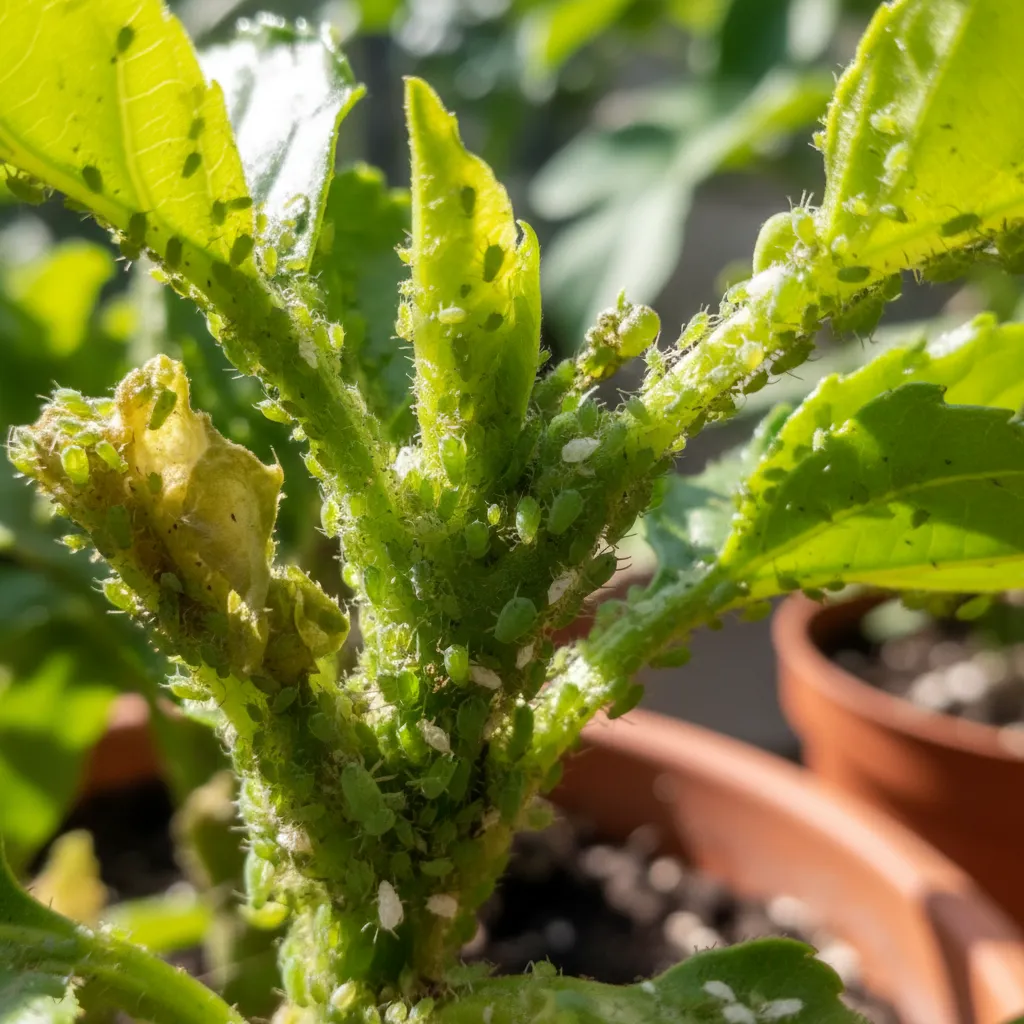
✓ Climate — Thrives in warm, tropical, and subtropical regions with ample sunlight and consistent temperatures above 20°C (68°F), sensitive to frost. ✓ Soil Requirements — Prefers well-drained, slightly acidic to neutral soils (pH 6.0-7.0) rich in organic matter, but adaptable to various soil types. ✓ Watering — Requires consistent moisture, especially during flowering and fruiting; regular deep watering is crucial, avoiding waterlogging to prevent root rot. ✓ Sunlight Exposure — Needs full sun exposure, at least 6-8 hours daily, for optimal growth, prolific flowering, and abundant fruit production. ✓ Propagation — Commonly propagated by seeds for rootstock, or more reliably by grafting, budding, or air-layering for true-to-type fruit and faster maturity. ✓ Fertilization — Benefits from regular feeding with a balanced citrus-specific fertilizer, particularly during active growth periods and fruit development, to ensure nutrient availability. ✓ Pruning — Light pruning is recommended to maintain shape, improve air circulation within the canopy, remove dead or diseased branches, and encourage fruit production on healthy wood. ✓ Pest and Disease Management — Monitor for common citrus pests like aphids, scale insects, and spider mites, and diseases such as citrus canker or greening, applying organic or chemical controls as needed to maintain plant health.

Environment & Growth

Lime trees thrive in tropical and subtropical climates, requiring full sun exposure and well-drained soil. They are sensitive to frost and prefer consistent warmth and humidity.

Care Tips

["Ensure consistent watering, especially during dry periods, but avoid waterlogging.", "Fertilize regularly with a balanced citrus-specific fertilizer during growing seasons.", "Prune to maintain shape, remove dead wood, and encourage fruit production."]

Safety Profile

✓ Sun Exposure Warning — Avoid direct sun exposure after applying lime juice to skin to prevent severe phytophotodermatitis. ✓ Dilution Recommended — For internal consumption, especially for sensitive individuals, dilute lime juice with water to reduce acidity. ✓ Dental Hygiene — Rinse mouth with water after consuming lime juice to minimize enamel erosion. ✓ Patch Test for Topical Use — Always perform a patch test before applying lime juice or essential oil topically to check for skin sensitivity. ✓ Consult Physician — Individuals with pre-existing gastrointestinal conditions, kidney disorders, or those on medication should consult a healthcare provider before regular high intake. ✓ Avoid Eye Contact — Lime juice can cause irritation and burning if it comes into contact with eyes. ✓ Pet Toxicity — All parts of the lime plant are toxic to pets (cats, dogs, horses) and can cause gastrointestinal upset or dermatitis. ✓ Pregnancy and Lactation — Moderate consumption as food is generally safe; however, therapeutic doses or essential oil use should be discussed with a doctor.

Side Effects

✓ Phytophotodermatitis — Skin contact with lime juice followed by sun exposure can cause severe burns, blistering, and hyperpigmentation. ✓ Gastric Irritation — Excessive consumption of highly acidic lime juice can exacerbate heartburn, acid reflux, or gastric ulcers. ✓ Tooth Enamel Erosion — Frequent exposure to lime's acidity can erode tooth enamel, leading to sensitivity and increased risk of cavities. ✓ Allergic Reactions — In rare cases, individuals may experience allergic reactions such as hives, swelling, or difficulty breathing. ✓ Drug Interactions — High intake of lime may theoretically interact with certain medications, though specific interactions are not well-documented. ✓ Kidney Issues — While beneficial for kidney stones, very high intake of oxalic acid (present in citrus) could be a concern for individuals with specific kidney disorders. ✓ Skin Dryness — Topical application, especially undiluted, can lead to skin dryness or irritation in sensitive individuals.

Cultural Significance

The humble lime tree, *Citrus aurantiifolia*, or Key Lime as it is often known, carries a rich tapestry of cultural significance woven through millennia of human interaction. Originating from the verdant landscapes of Southeast Asia, its journey across continents has embedded it deeply into the practices and beliefs of diverse societies. While specific documented uses in ancient Ayurvedic or Traditional Chinese Medicine systems for *Citrus aurantiifolia* itself are less prominent than for some other citrus relatives, the broader genus *Citrus* has long been recognized for its medicinal properties. The tartness and aromatic qualities of the lime fruit, however, have undoubtedly lent themselves to folk medicine traditions across tropical and subtropical regions where it thrives. In many cultures, the bright acidity of the lime was believed to possess cleansing and purifying properties, used in poultices or ingested to aid digestion and combat fevers. Symbolically, the lime's vibrant green hue and sharp, invigorating essence have often been associated with freshness, vitality, and even protection. In some Southeast Asian traditions, lime leaves and fruits have been incorporated into rituals aimed at warding off negative energies or promoting good fortune. While not as central to major religious narratives as some other fruits, its presence in daily life, from offerings to household remedies, speaks to its understated spiritual importance. Economically, the lime's journey from its native Southeast Asia is a testament to its desirability. It became a valuable commodity in historical trade routes, prized for its flavor and its ability to preserve food and prevent scurvy on long voyages, particularly as its potent Vitamin C content became recognized. This economic importance has only amplified with modern commercialization, making it a staple in global food and beverage industries. Culinary traditions across the globe are profoundly shaped by the lime. From the zesty marinades and vibrant curries of Southeast Asia to the iconic Key Lime Pie of the Americas, its tartness provides a crucial counterpoint to sweetness and richness. In Latin American cuisines, it is indispensable for ceviche, guacamole, and countless refreshing drinks. The etymology of "lime" itself is thought to derive from Arabic "laimun" or Persian "limu," reflecting its ancient dispersal through trade networks. Folklore often associates the lime with sharpness of wit and clarity of thought, perhaps owing to its stimulating aroma and taste. In contemporary culture, the lime tree continues to be cherished in gardens, appreciated not only for its fruit but also for its fragrant blossoms and attractive foliage. Its association with wellness, from detoxifying drinks to aromatherapy, further solidifies its enduring cultural relevance.

Quick Facts

Categorygarden
FamilyRutaceae
GenusCitrus
Species epithetaurantiifolia
Life cyclePerennial
Growth habitTree
Mature height3-6 m
Sun requirementFull Sun
Water needMedium
Soil pH6.0-7.5
USDA zone9-11
Toxicity levelNon-toxic
EdibilityEdible
Conservation statusNE