Scientific name: Nerium oleander
Bengali name: নীরসমুদ্র
Family: Apocynaceae
Genus: Nerium
Origin: Mediterranean Basin (Morocco, Algeria, Tunisia, Libya, Egypt, Greece, Italy, Spain, Portugal, France, Turkey, Syria, Lebanon, Israel, Jordan, Cyprus)
Quick Summary
✓ Highly ornamental evergreen shrub with vibrant flowers. ✓ Extremely toxic plant due to potent cardiac glycosides. ✓ Native to the Mediterranean, widely cultivated globally. ✓ All parts are poisonous; ingestion can be fatal. ✓ Used ornamentally, never for self-medication. ✓ Research explores isolated compounds for potential future therapies.
Key Features
✓ Evergreen foliage — Maintains lush, dark green leaves year-round. ✓ Vibrant flowers — Produces profuse, showy blossoms in various colors. ✓ High toxicity — All plant parts are highly poisonous, containing cardiac glycosides. ✓ Drought tolerant — Exceptionally resilient to dry conditions once established. ✓ Heat tolerant — Thrives in hot climates and full sun. ✓ Salt tolerant — Ideal for coastal landscapes and areas with salt spray. ✓ Rapid growth — Establishes quickly and grows vigorously. ✓ Deer resistant — Toxicity deters browsing animals. ✓ Fragrant blooms — Many varieties offer a sweet, heavy scent, especially in the evening. ✓ Ornamental appeal — Widely used in landscaping for hedges, screens, and specimen planting.
Description
Nerium oleander, commonly known as Oleander, is a robust, evergreen shrub or small tree belonging to the Apocynaceae family, renowned for its striking ornamental value despite its profound toxicity. Native to a wide area spanning the Mediterranean Basin, North Africa, and extending eastward through the Middle East to India and southern China, it has become extensively naturalized and cultivated across temperate and subtropical regions globally. This resilient plant typically reaches heights of 2 to 6 meters (6-20 feet), occasionally exceeding 10 meters (33 feet) in optimal conditions, forming a dense, bushy presence. Its characteristic lanceolate leaves are leathery, dark glossy green, and typically arranged in whorls of three or four. From late spring through summer, Oleander produces an abundance of showy, trumpet-shaped flowers in terminal cymes, presenting a diverse palette of colors including white, pink, red, and yellow, often with a subtle to strong fragrance, particularly noticeable in the evening. The plant demonstrates exceptional adaptability, thriving in various soil types and exhibiting high tolerance to drought, heat, salt spray, and even poor soil, making it a popular choice for xeriscaping, coastal plantings, and roadside beautification. Propagation is primarily achieved through stem cuttings, contributing to its widespread presence. A critical botanical feature is the milky sap found throughout the plant, which contains highly potent cardiac glycosides. This inherent toxicity, while making it deer-resistant, necessitates extreme caution in its handling and placement, especially in environments frequented by children and pets.Trusted Scientific References
Authoritative external sources for Nerium oleander:
বিবরণ (Bengali)
জেরিয়াম ওলিয়ান্ডার, যা সাধারণত ওলিয়ান্ডার নামে পরিচিত, একটি চিরহরিৎ গুল্ম বা ছোট গাছ যা তার প্রাণবন্ত, ট্রাম্পেট-আকৃতির ফুলের জন্য মনোযোগ আকর্ষণ করে। সাধারণত গোলাপী, লাল, সাদা এবং হলুদ রঙের এই ফুলগুলি ফোটে। ভূমধ্যসাগরীয় অঞ্চল এবং এশিয়ার কিছু অংশের স্থানীয় উদ্ভিদ এটি বিশ্বব্যাপী ব্যাপকভাবে পরিচিতি লাভ করেছে এবং পরিচিত হয়েছে। এটি তার আলংকারিক আবেদন এবং অসাধারণ সহনশীলতার জন্য মূল্যবান। এর চামড়ার মতো, লম্বাটে পাতাগুলি তিন থেকে চারটির গুচ্ছে সাজানো থাকে, যা গাঢ়, চকচকে সবুজ রঙের হয়। এই পাতাগুলি ফুলের জন্য একটি মনোরম পটভূমি তৈরি করে। গাছটি বিভিন্ন ধরণের মাটিতে জন্মাতে পারে এবং খরা, তাপ এবং মাটির খারাপ অবস্থা সহ্য করার ব্যতিক্রমী ক্ষমতা প্রদর্শন করে, যা এটিকে শুষ্ক ও উষ্ণ জলবায়ুতে ল্যান্ডস্কেপিংয়ের জন্য একটি জনপ্রিয় পছন্দ করে তুলেছে। তবে, এটি মনে রাখা অত্যন্ত গুরুত্বপূর্ণ যে ওলিয়ান্ডার উদ্ভিদের সমস্ত অংশ অত্যন্ত বিষাক্ত। এতে ওলিয়ান্ড্রিন এবং নিরিন-এর মতো শক্তিশালী কার্ডিয়াক গ্লাইকোসাইড থাকে, যা খেলে গুরুতর প্রতিকূল প্রভাব ফেলতে পারে। এর বিষাক্ততা সত্ত্বেও, এর আলংকারিক এবং অভিযোজনযোগ্য গুণাবলী এটিকে বাগান, পার্ক এবং রাস্তার ধারে ব্যাপকভাবে ব্যবহৃত হতে সাহায্য করেছে। উদ্ভিদটি সাধারণত ২-৬ মিটার (৬-২০ ফুট) উচ্চতায় বৃদ্ধি পায়, যোগ্য পরিস্থিতিতে এটি ১০ মিটার (৩৩ ফুট) পর্যন্ত পৌঁছাতে পারে। এর শাখাগুলি প্রায়শই ঘন এবং বিস্তৃত হয়, একটি আকর্ষণীয়, গুল্মযুক্ত চেহারা তৈরি করে। ফুলের গুচ্ছগুলি সাধারণত ডাবল বা সিঙ্গেল হয় এবং এগুলিতে একটি মিষ্টি, প্রায়শই ভারী সুগন্ধ থাকে, যা সন্ধ্যায় বিশেষভাবে স্বতন্ত্র। মূলত কাটিংয়ের মাধ্যমে প্রচার করা হয়, ওলিয়ান্ডার একটি সহনশীল উদ্ভিদ যা সহজেই প্রতিষ্ঠিত হয়, যা এটিকে অনেক উদ্যানিক পরিবেশে সর্বত্র উপস্থিত থাকতে সাহায্য করে। এর রস সংবেদনশীল ব্যক্তিদের ত্বকে জ্বালা সৃষ্টি করতে পারে। ল্যান্ডস্কেপে উদ্ভিদটির সহনশীলতা এবং নান্দনিক অবদান অনস্বীকার্য, তবে এর অন্তর্নিহিত বিপদ সাবধানে পরিচালনা এবং স্থান নির্ধারণের প্রয়োজনীয়তা নির্দেশ করে, বিশেষ করে শিশু এবং পোষা প্রাণী যেখানে ঘন ঘন আসে। জেরিয়াম ওলিয়ান্ডারের দীর্ঘস্থায়ী আবেদন তার দ্বৈত প্রকৃতির মধ্যে নিহিত: একটি সুন্দর অথচ বিপজ্জনক উদ্ভিদ সত্তা যা প্রকৃতি সৌন্দর্য এবং বিপদ উভয়ই তৈরি করতে পারে।
Medicinal Benefits
✓ Cardiac Activity — Historically, purified cardiac glycosides like oleandrin from Nerium oleander have been studied for their potent effects on heart muscle contraction, similar to digitalis, increasing cardiac output in controlled, experimental settings. ✓ Anti-cancer Research — Preclinical studies are investigating isolated oleander compounds for their cytotoxic effects on various cancer cell lines, exploring mechanisms such as apoptosis induction and inhibition of cell proliferation. ✓ Anti-inflammatory Potential — Certain extracts have shown preliminary anti-inflammatory properties in vitro, though the specific compounds and mechanisms require further elucidation and are always balanced by the plant's toxicity. ✓ Antimicrobial Properties — Research indicates that some Oleander extracts possess mild antimicrobial activity against certain bacteria and fungi, suggesting potential for external applications in highly controlled, non-toxic formulations. ✓ Immunomodulatory Effects — Early research suggests that specific fractions of Oleander may influence immune responses, an area of ongoing investigation for highly purified and safe derivatives. ✓ Dermatological Applications (External) — Traditionally, highly diluted and externally applied preparations were used for skin conditions, though this practice is extremely risky due to potential absorption and irritation. ✓ Insecticidal Properties — The plant's compounds deter pests, and extracts have been explored as natural insecticides in agricultural settings, not for human medicinal use. ✓ Pain Relief (Topical) — In some historical contexts, extremely cautious external application of Oleander preparations was reported for localized pain relief, a practice now considered unsafe due to toxicity. ✓ Antiviral Potential — Emerging research is exploring the antiviral properties of specific oleander compounds against certain viruses, but this is strictly at the laboratory stage and does not imply safe use of the plant.
ঔষধি উপকারিতা (Bengali)
এর অন্তর্নিহিত বিষাক্ততা সত্ত্বেও, জেরিয়াম ওলিয়ান্ডারের নির্দিষ্ট যৌগগুলি সম্ভাব্য ঔষধি প্রয়োগের জন্য অন্বেষণ করা হয়েছে, প্রাথমিকভাবে কার্ডিওভাসকুলার থেরাপিতে। ঐতিহাসিকভাবে, কাঁচা নির্যাসগুলি অত্যন্ত সতর্কতার সাথে এবং খুব কম মাত্রায় হার্ট ফেইলিওর এবং অনিয়মিত হৃদস্পন্দনের মতো অবস্থার জন্য ব্যবহৃত হত। প্রধান সক্রিয় যৌগ, ওলিয়ান্ড্রিন, ডিজিটক্সিন এবং ডিগক্সিনের মতো কার্ডিয়াক গ্লাইকোসাইডগুলি (যদিও শেষ দুটি ডিজিটালিস থেকে বেশি বিখ্যাত) কার্ডিয়াক পেশী কোষগুলিতে সোডিয়াম-পটাশিয়াম পাম্পকে বাধা দিয়ে কাজ করে। এটি অন্তঃকোষীয় ক্যালসিয়ামের বৃদ্ধি ঘটায়, যা হৃৎপিণ্ডের পেশী সংকোচনের শক্তি (পজিটিভ ইনোট্রপি) বাড়ায় এবং হৃৎস্পন্দনকে ধীর করতে সাহায্য করতে পারে (নেগেটিভ ক্রোনোট্রপি)। এই বৈশিষ্ট্যগুলি কনজেস্টিভ হার্ট ফেইলিওর এবং নির্দিষ্ট অ্যারিথমিয়া চিকিৎসায় মৌলিক। আধুনিক ফার্মাসিউটিক্যাল গবেষণা এই শক্তিশালী যৌগগুলির জন্য আরও স্থিতিশীল, কম বিষাক্ত অ্যানালগ সংশ্লেষণ বা নিরাপদ ডেলিভারি পদ্ধতি বিকাশের উপর দৃষ্টি নিবদ্ধ করেছে। যেহেতু ডোজের অসামঞ্জস্যতা এবং চরম বিষাক্ততার কারণে সরাসরি গাছের ব্যবহার অত্যন্ত নিরুৎসাহিত করা হয়, তাই এর রাসায়নিক উপাদানগুলির উপর গবেষণা জীবন রক্ষাকারী কার্ডিয়াক ওষুধের বিকাশে অবদান রেখেছে। উদাহরণস্বরূপ, কিছু ওলিয়ান্ডার ডেরিভেটিভের অ্যান্টি-ইনফ্ল্যামেটরি, অ্যান্টিঅক্সিডেন্ট এবং এমনকি সম্ভাব্য অ্যান্টি-ক্যান্সার বৈশিষ্ট্য নিয়ে গবেষণা করা হয়েছে, যদিও এগুলি এখনও মূলত পরীক্ষামূলক বা প্রিক্লিনিকাল পর্যায়ে রয়েছে এবং প্রতিষ্ঠিত ক্লিনিকাল চিকিৎসা নয়। যেকোনো ঔষধি ব্যবহার সম্পূর্ণরূপে কঠোর চিকিৎসা তত্ত্বাবধানে, অত্যন্ত বিশুদ্ধ এবং প্রমিত ফার্মাসিউটিক্যাল প্রস্তুতির সাথে হওয়া উচিত, কখনোই কাঁচা উদ্ভিদের অংশ দিয়ে নয়।
Benefits
• Oleander is frequently used in landscaping, providing privacy and ornamental value with its dense foliage and vibrant flowers. • Its low water requirement makes it an excellent choice for xeriscaping or low-maintenance gardens. • Provides habitat for pollinators and contributes to biodiversity in gardens. • The plant has been traditionally used in herbal medicine in some cultures, though caution is advised due to its toxicity. • Oleander can be used effectively as a hedge or as a specimen plant due to its attractive blooms and greenery.
Advantages of Growing
["Excellent ornamental value due to vibrant flowers and lush foliage.", "High tolerance to drought and heat makes it ideal for challenging climates.", "Low maintenance requirements once established.", "Rapid growth rate, quickly providing ground cover or screening.", "Effective for erosion control on slopes due to extensive root systems."]
Diseases & Conditions Treated
- Cardiac Arrhythmias (historical, extremely toxic, purified compounds only)
- Congestive Heart Failure (historical, extremely toxic, purified compounds only)
- Cancer (investigational, purified compounds in preclinical studies)
- Dermatological Conditions (historical external use, with extreme caution)
- Bacterial Infections (investigational, extracts in vitro)
- Fungal Infections (investigational, extracts in vitro)
- Inflammation (investigational, specific compounds in preclinical studies)
- Localized Pain (historical external use, with extreme caution)
- Viral Infections (investigational, specific compounds in preclinical studies)
- Insect Pests (traditional external repellent, not for human use)
Chemical Constituents
✓ Cardiac Glycosides — Oleandrin, neriine, digitoxigenin, and related cardenolides are the primary active and highly toxic compounds, influencing cardiac muscle function by inhibiting Na+/K+-ATPase. ✓ Flavonoids — Compounds like rutin and quercetin are present, contributing to antioxidant and potential anti-inflammatory activities, though in amounts overshadowed by the cardiac glycosides. ✓ Triterpenes — Various triterpenoid compounds are found, some of which may contribute to the plant's defense mechanisms and have shown preliminary biological activities. ✓ Steroids — Phytosterols are present, which are common plant constituents, but do not contribute significantly to the plant's toxicity. ✓ Saponins — These foaming agents are found in the plant and can cause irritation, potentially enhancing the absorption of other compounds. ✓ Volatile Oils — Trace amounts of volatile compounds contribute to the flower's fragrance but are not primary active constituents. ✓ Phenolic Acids — Compounds like caffeic acid and ferulic acid, known for antioxidant properties, are also present. ✓ Coumarins — Simple coumarins have been identified, which can have diverse biological activities, including anti-inflammatory and anticoagulant effects.
Usage Method
✓ Traditional External Liniments — Historically, highly diluted extracts were applied topically as liniments for certain skin conditions or localized pain, always with extreme caution due to skin absorption. ✓ Experimental Cardiac Extracts — In controlled research settings, purified cardiac glycosides are extracted for pharmacological studies on heart function, never for direct plant consumption. ✓ Pest Control Sprays — Extracts are sometimes used in non-human applications as natural insecticidal sprays due to the plant's inherent toxicity to pests. ✓ Research for Anti-cancer Agents — Isolated compounds from Nerium oleander are subjected to rigorous laboratory research to develop potential anti-cancer drugs, far removed from raw plant use. ✓ Folk Medicine (Extreme Caution) — In very specific, ancient folk medicine traditions, extremely small, highly processed doses were reportedly used internally for serious conditions, a practice now universally condemned as lethal. ✓ Botanical Research — Plant parts are used in botanical and phytochemical studies to isolate and characterize its unique secondary metabolites. ✓ Ornamental Use Only — The primary and safest 'use' of Oleander is purely ornamental, appreciating its beauty in landscapes where it cannot be accidentally ingested. ✓ Handling Precautions — When handling for ornamental purposes, gloves should be worn to prevent skin irritation from the sap.
ব্যবহার পদ্ধতি (Bengali)
প্রাথমিকভাবে ভূদৃশ্য, বাগান এবং রাস্তার ধারে এর নান্দনিক আবেদন এবং সহনশীলতার জন্য একটি আলংকারিক উদ্ভিদ হিসাবে ব্যবহৃত হয়। এর উচ্চ বিষাক্ততার কারণে, অভ্যন্তরীণ ঔষধি ব্যবহার অত্যন্ত নিরুৎসাহিত করা হয় এবং এটি শুধুমাত্র কঠোর চিকিৎসা তত্ত্বাবধানে অত্যন্ত প্রমিত ডোজেড ফার্মাসিউটিক্যাল প্রস্তুতির সাথে বিবেচনা করা উচিত, ঐতিহাসিকভাবে হৃদরোগের জন্য। বাহ্যিকভাবে, ত্বকের সমস্যার জন্য অতীতে খুব কম ঘনত্বের নির্দিষ্ট প্রস্তুতি ব্যবহার করা হয়েছে, তবে বিষাক্ততার ঝুঁকির কারণে এটি সুপারিশ করা হয় না।
Cultivation Method
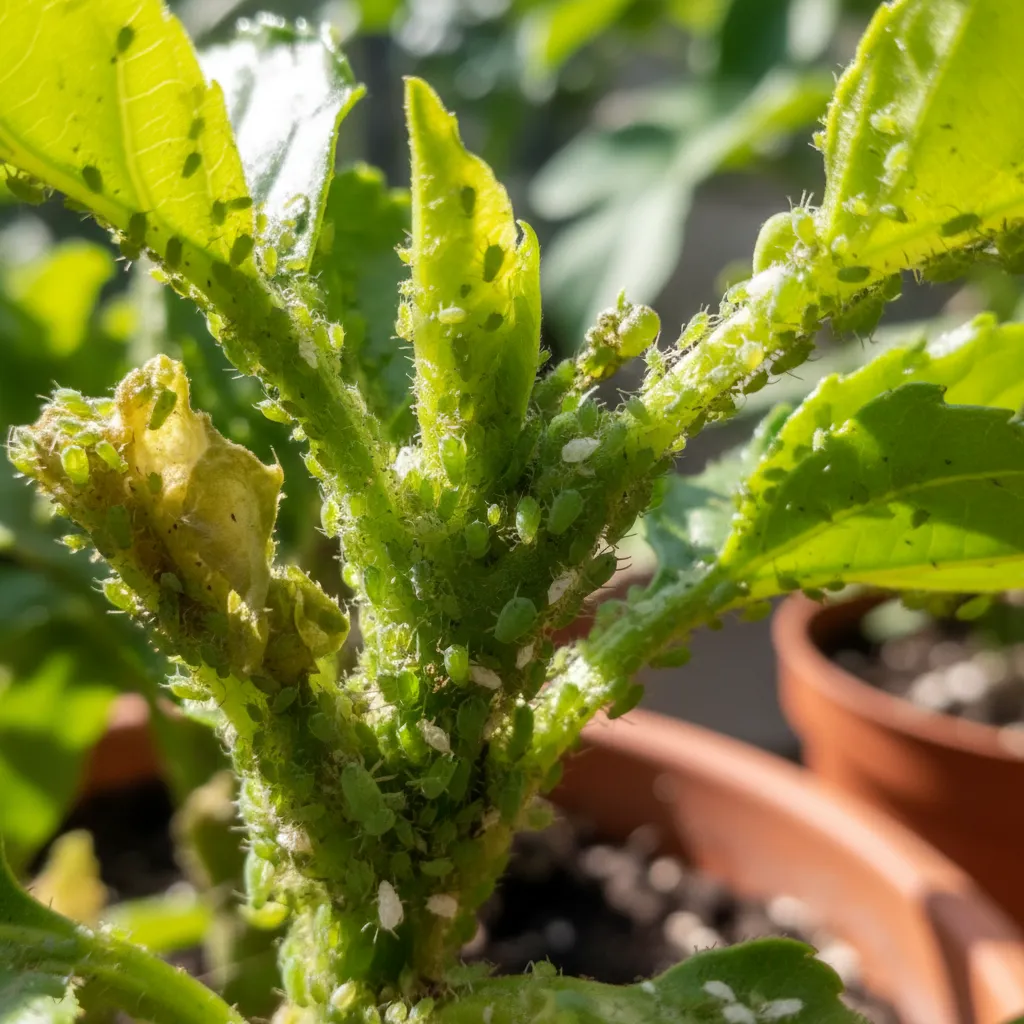
✓ Sunlight — Prefers full sun to partial shade for optimal growth and flowering, requiring at least 6 hours of direct sunlight daily. ✓ Soil Requirements — Adapts to a wide range of well-drained soils, including poor, sandy, or clay soils, but thrives in fertile loam. ✓ Watering — Highly drought-tolerant once established, requiring minimal water; overwatering can lead to root rot. ✓ Temperature Tolerance — Intolerant of temperatures below 32°F (0°C); cold winters can cause frost damage, often grown in containers in colder climates. ✓ Pruning — Benefits from light pruning after flowering to maintain shape, remove dead or damaged branches, and encourage new blooms. ✓ Propagation — Easily propagated from stem cuttings taken in spring or summer, which readily root in water or moist soil. ✓ Fertilization — Generally low-maintenance; a balanced, slow-release fertilizer can be applied in spring if growth appears sluggish. ✓ Pest and Disease Management — Generally robust, but can be susceptible to oleander aphids, scale insects, and occasional fungal leaf spots.
Environment & Growth
Oleander thrives in warm climates and is suited for USDA hardiness zones 8 to 10. It prefers full sunlight for optimal growth and flowering, tolerating poor soils as long as they are well-drained. Ideal temperatures range from 20°C to 30°C (68°F to 86°F). While it can endure drought conditions, occasional watering helps promote better flowering. Oleander can tolerate a range of soil types, including sandy and rocky soils, provided drainage is adequate. In its native habitats, this plant often grows in hillsides and coastal areas with saline conditions, demonstrating its adaptability to challenging environments.
Care Tips
• Plant oleander in a sunny location, preferably in well-drained soils. It tolerates drought well once established. • Water established plants every two weeks during dry intervals, but reduce in rainy periods. • Fertilize with a balanced fertilizer in the spring to promote flowering and growth. • Prune oleander after the flowering season to maintain shape and remove dead or diseased wood. • Watch for aphids and spider mites, controlling them with insecticidal soap if necessary.
Safety Profile
✓ Extreme Toxicity — All parts of Nerium oleander are highly poisonous and potentially lethal if ingested, even in small amounts. ✓ No Internal Use — Never consume any part of the plant, including leaves, flowers, stems, roots, or seeds, in any form. ✓ Skin Contact — Wear gloves when handling the plant, as its sap can cause contact dermatitis and skin irritation. ✓ Children and Pets — Keep Oleander away from children and pets, who are highly susceptible to poisoning from accidental ingestion. ✓ Burning Hazard — Do not burn Oleander wood or plant material, as the smoke is toxic and can cause respiratory and systemic effects. ✓ Water Contamination — Avoid using Oleander branches as skewers for food or stirring sticks, as toxins can leach into food/drink. ✓ Seek Immediate Medical Attention — In case of suspected ingestion or significant exposure, emergency medical help should be sought immediately.
Side Effects
✓ Severe Cardiac Toxicity — Ingestion causes irregular heart rhythms, bradycardia, and potentially fatal cardiac arrest due to cardiac glycosides. ✓ Gastrointestinal Distress — Symptoms include nausea, vomiting, abdominal pain, diarrhea, and excessive salivation. ✓ Neurological Symptoms — Can lead to lethargy, drowsiness, tremors, seizures, and coma in severe poisoning cases. ✓ Skin Irritation — Contact with the sap can cause dermatitis, redness, itching, and swelling in sensitive individuals. ✓ Ocular Irritation — Sap contact with eyes can result in severe irritation, pain, and temporary vision impairment. ✓ Respiratory Distress — In extreme cases, smoke from burning Oleander can cause respiratory irritation and toxicity. ✓ Electrolyte Imbalance — Poisoning can lead to hyperkalemia (high potassium levels) due to disruption of ion pumps.
Cultural Significance
The Oleander, *Nerium oleander*, a plant native to the Mediterranean Basin and eastward into Asia, carries a complex and often contradictory cultural significance, deeply intertwined with its potent toxicity. Historically, its medicinal applications are primarily found in folk traditions, often employed with extreme caution due to its cardiac glycosides. In some parts of the Mediterranean and the Middle East, poultices or diluted preparations were historically used for skin conditions or as external applications for ailments like rheumatism, though internal use was strictly avoided or undertaken by highly experienced practitioners. Its presence in formal systems like Ayurveda or Traditional Chinese Medicine is less documented, likely due to its inherent dangers overshadowing potential benefits in those codified practices. Culturally, Oleander’s striking beauty has often been juxtaposed with its poisonous nature. In ancient Greece and Rome, it was associated with both beauty and death, sometimes appearing in funerary art or mentioned in contexts of poisonings. Its common name, "Rose Laurel," hints at its ornamental appeal, making it a popular garden plant across its native range and beyond, particularly in coastal regions due to its salt tolerance. This duality has fueled folklore and legends, with tales often warning of its deceptive allure. The etymology of its scientific name, *Nerium oleander*, with *Nerium* possibly deriving from the Greek word for "wet" or "moist" (referencing its preference for damp environments) and *oleander* from the resemblance of its leaves to the olive tree, speaks to its deep roots in the Mediterranean landscape. Economically, while not a traded commodity in the same vein as spices or food crops, Oleander has held value as a landscape plant. Its widespread cultivation for ornamental purposes, particularly in Mediterranean-style gardens and for roadside planting due to its hardiness, represents a significant horticultural industry. Its vibrant flowers and evergreen foliage have made it a staple in garden design for centuries, contributing to the aesthetic appeal of many regions. However, its modern cultural relevance is increasingly dominated by its toxicity, with educational efforts focused on warning against ingestion and the dangers of burning the plant, which releases toxic fumes. While its use in the wellness industry is virtually non-existent due to its poisonous properties, its enduring presence in gardens across the globe continues to spark fascination and caution.
Quick Facts
| Category | garden |
|---|---|
| Family | Apocynaceae |
| Genus | Nerium |
| Species epithet | oleander |
| Life cycle | Perennial |
| Growth habit | Shrub |
| Mature height | 2-5 m |
| Sun requirement | Full Sun |
| Water need | Low |
| Soil pH | 6.0-7.0 |
| USDA zone | 8-10 |
| Toxicity level | Severe |
| Edibility | Not edible |
| Conservation status | NE |