Scientific name: Viola tricolor var. hortensis
Bengali name: প্যান্সি
Family: Violaceae
Genus: Viola
Origin: Europe (Western, Central)
Quick Summary
✓ Pansy (Viola tricolor var. hortensis) is a beautiful garden flower with traditional medicinal uses. ✓ Renowned for anti-inflammatory, diuretic, and expectorant properties. ✓ Effective for skin conditions like eczema and respiratory ailments such as coughs. ✓ Rich in beneficial compounds including flavonoids, saponins, and methyl salicylate. ✓ Used internally as teas or tinctures, and externally in compresses for skin health. ✓ Generally safe but requires caution for pregnant women, children, and those with salicylate sensitivity.
Key Features
✓ Ornamental Value — Highly prized for its vibrant, multi-colored flowers and compact growth habit. ✓ Medicinal Herb — Possesses a long history of traditional use in European folk medicine. ✓ Anti-inflammatory — Contains compounds like flavonoids that reduce inflammation effectively. ✓ Skin Health — Widely used for treating various dermatological conditions including eczema and acne. ✓ Respiratory Support — Acts as an expectorant, helping to clear phlegm and soothe coughs. ✓ Diuretic Action — Aids in detoxification and supports urinary tract health. ✓ Rich in Antioxidants — Provides cellular protection through its high flavonoid and Vitamin C content. ✓ Edible Flowers — Blooms are safe for consumption and used as attractive garnishes. ✓ Cool Weather Lover — Thrives best in cooler temperatures, ideal for spring and autumn displays. ✓ Easy to Grow — Adaptable and relatively simple to cultivate in gardens and containers.
Description
The Pansy, known scientifically as Viola tricolor var. hortensis, is a beloved and widely cultivated ornamental plant, celebrated for its striking, often multi-colored blooms. This charming species is primarily grown as an annual or short-lived perennial, originating from the diverse landscapes of Europe and Asia. Its distinctive flowers typically feature five petals, with a unique arrangement where the two upper petals overlap, flanked by two side petals, and completed by a single lower petal often adorned with a characteristic 'face' or blotch. These vibrant displays come in an extensive palette of colors, including deep purples, sunny yellows, crisp whites, serene blues, and various captivating bi-color combinations. Botanically, the Pansy is a cultivated variant derived from the wild Viola tricolor, commonly referred to as 'Heartsease' or 'Johnny Jump Up'. It thrives in temperate climates, preferring cooler weather conditions which allow it to produce a spectacular show of color particularly in spring and autumn. The plant exhibits a compact growth habit, typically reaching 3 to 10 inches in height and 3 to 12 inches in width, making it an excellent choice for garden borders, decorative containers, window boxes, and as an attractive ground cover. Its adaptability and aesthetic appeal have secured its place in gardens worldwide, bringing cheer and visual interest to diverse horticultural settings.Trusted Scientific References
Authoritative external sources for Viola tricolor var. hortensis:
Medicinal Benefits
✓ Anti-inflammatory Action — Pansy's rich flavonoid content, including rutin and violaquercitrin, contributes to its potent anti-inflammatory effects, helping to alleviate swelling and discomfort in various conditions. ✓ Dermatological Support — Traditionally used for skin conditions, its purifying and anti-inflammatory properties make it beneficial for addressing issues like eczema, acne, impetigo, and general skin irritation by soothing inflammation and promoting healing. ✓ Expectorant Properties — The plant contains saponins and mucilage which act as natural expectorants, aiding in the loosening and expulsion of phlegm from the respiratory tract, providing relief from coughs and bronchitis. ✓ Diuretic Effect — Viola tricolor functions as a mild diuretic, assisting the body in flushing out excess fluids and toxins, which can support urinary tract health and potentially ease symptoms associated with rheumatism and gout. ✓ Antioxidant Protection — High levels of flavonoids, carotenoids, and Vitamin C provide significant antioxidant activity, helping to neutralize free radicals and protect cells from oxidative stress, thereby supporting overall cellular health and longevity. ✓ Blood Purifier — In traditional herbal medicine, Pansy is revered as a 'blood purifier,' believed to cleanse the system and remove impurities, which is thought to enhance general well-being and skin clarity. ✓ Respiratory Health Aid — Beyond its expectorant action, it helps to soothe irritated mucous membranes in the respiratory system, offering relief from persistent coughs and congestion. ✓ Mild Analgesic Qualities — The presence of methyl salicylate may contribute to mild pain-relieving effects, similar to aspirin, making it useful for minor aches and pains, particularly those associated with inflammation. ✓ Support for Rheumatism and Gout — Its combined anti-inflammatory and diuretic actions make it a traditional remedy for reducing inflammation and promoting the excretion of metabolic waste products linked to conditions like rheumatism and gout. ✓ Wound Healing — Applied topically, its soothing and antiseptic properties can aid in the minor wound healing process and reduce the risk of infection.
Benefits
• Attractive flowers that enhance garden aesthetics • Attracts pollinators, beneficial for garden ecosystems • Edible flowers that can be used in culinary applications, adding color and nutrition to dishes • Traditionally used for its medicinal properties, offering potential health benefits • Can be grown in various garden settings, including containers and borders, making versatile landscape options • Provides seasonal color and interest during spring and fall.
Advantages of Growing
Pansies offer unparalleled aesthetic appeal with their cheerful 'faces' and wide color palette, making them excellent for brightening up any garden or container. They are relatively easy to grow and maintain, providing long-lasting blooms in cooler seasons when many other plants are dormant. Their edible flowers add a unique touch to culinary creations, and their historical medicinal uses provide an additional layer of value.
Diseases & Conditions Treated
- Eczema
- Acne
- Impetigo
- Bronchitis
- Coughs
- Rheumatism
- Gout
- Urinary Tract Infections
- Skin inflammation
- Phlegm buildup
- Minor wounds
- Sore throat
Chemical Constituents
✓ Flavonoids — Key compounds like Rutin, Violaquercitrin, and Anthocyanins are abundant, providing significant antioxidant, anti-inflammatory, and capillary-strengthening activities. ✓ Saponins — These triterpenoid glycosides contribute to Pansy's expectorant and diuretic effects, facilitating the removal of mucus and excess fluid from the body. ✓ Methyl Salicylate — An ester with analgesic and anti-inflammatory properties, similar to aspirin, which contributes to the plant's traditional use for pain and inflammation relief. ✓ Carotenoids — Pigments such as violaxanthin and lutein are present, acting as powerful antioxidants and supporting eye health, also contributing to the flower's vibrant coloration. ✓ Mucilage — Composed of polysaccharides, mucilage provides soothing and demulcent effects, particularly beneficial for irritated skin and mucous membranes in the respiratory and digestive tracts. ✓ Tannins — These astringent compounds contribute to the plant's purifying and wound-healing properties, helping to tone tissues and reduce inflammation. ✓ Vitamin C — A vital antioxidant vitamin found in Pansy, supporting immune function, collagen synthesis, and overall cellular protection against oxidative stress. ✓ Polysaccharides — Besides mucilage, other complex sugars may contribute to immune-modulating effects and general plant energy storage. ✓ Coumarins — Certain derivatives might be present, potentially offering mild anticoagulant or anti-inflammatory actions. ✓ Phenolic Acids — Compounds like caffeic acid and ferulic acid, which are known for their antioxidant and anti-inflammatory benefits.
Usage Method
✓ Herbal Infusion (Tea) — Steep 1-2 teaspoons of dried Pansy aerial parts in hot water for 10-15 minutes; used internally for respiratory issues, as a diuretic, or blood purifier. ✓ Topical Compress/Poultice — Crush fresh Pansy leaves and flowers or use a strong infusion soaked in cloth, applied directly to skin conditions like eczema, acne, or minor wounds for soothing and anti-inflammatory effects. ✓ Tincture — Prepare by macerating fresh or dried Pansy in alcohol and water; typically taken in drops internally for concentrated systemic benefits, following professional guidance. ✓ Edible Garnish — Fresh Pansy flowers are edible and can be used as a decorative and nutritious garnish for salads, desserts, or beverages, offering a mild, slightly grassy flavor. ✓ Herbal Bath — Add a strong infusion of Pansy to bathwater to soothe widespread skin irritations or for a general purifying effect on the skin. ✓ Ointment/Salve — Infuse Pansy in a carrier oil (e.g., olive oil) and combine with beeswax to create a topical balm for chronic skin conditions. ✓ Syrup — Combine Pansy infusion with honey or other sweeteners to create a soothing syrup for coughs and sore throats.
Cultivation Method
✓ Soil Preference — Pansies thrive in well-draining, rich soil with a slightly acidic to neutral pH range, ideally between 6.0 and 7.0. ✓ Light Requirements — Plant in a location that receives full sun to partial shade; in warmer climates, providing afternoon shade is beneficial to prevent stress. ✓ Planting Time — Sow seeds indoors 8-10 weeks before the last expected frost for spring blooms, or directly outdoors in late summer for a spectacular fall and winter display. ✓ Watering — Maintain consistent soil moisture, watering regularly, but be careful not to overwater to prevent root rot. ✓ Fertilization — Incorporate organic compost or a balanced slow-release fertilizer into the soil at planting time to support vigorous growth and abundant flowering. ✓ Propagation — Pansies freely reseed, with each capsule capable of producing up to 50 seeds, allowing for natural spread without being overly aggressive. ✓ Pests and Diseases — Be vigilant for common issues such as thrips, caterpillars, slugs, snails, black root rot, and southern blight, particularly in dense plantings.
Environment & Growth
Pansies flourish in cool, temperate climates. They require full sun to partial shade, with preference for afternoon shade in hotter regions. Best grown in fertile, well-draining soil with consistent moisture. They are tolerant of light frost but perform best in temperatures between 45-65°F (7-18°C).
Care Tips
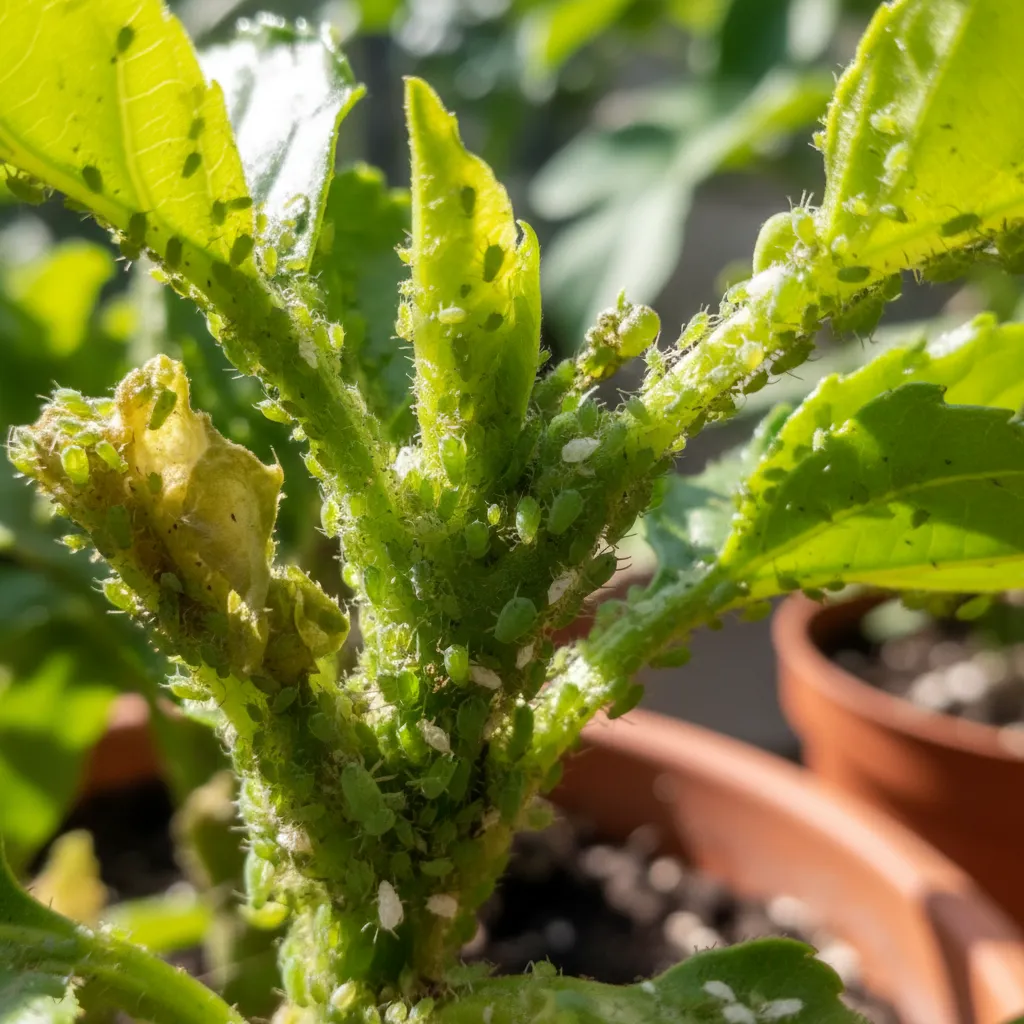
Pansies should be watered regularly to maintain moisture, especially during dry spells. Keep the soil evenly moist, but avoid overwatering, which can lead to root rot. Regular deadheading will encourage continuous blooming and prevent seed production, which may extend the flowering season. During periods of intense heat, consider providing afternoon shade to protect the plants. Fertilize lightly every few weeks while they are actively growing to support bloom production. Pest management can include monitoring for aphids and caterpillars, using organic insecticidal soap as needed.
Safety Profile
✓ Pregnancy and Lactation — Avoid use during pregnancy and lactation due to insufficient safety data and the presence of active compounds like salicylates. ✓ Children — Consult a healthcare professional before administering Pansy preparations to young children, especially for internal use. ✓ Aspirin Sensitivity — Individuals with a known allergy or sensitivity to aspirin or other salicylates should avoid Pansy due to its methyl salicylate content. ✓ Kidney Conditions — Use with caution in individuals with pre-existing kidney conditions due to its diuretic properties; consult a doctor. ✓ Anticoagulant Medications — People on blood-thinning medications should avoid Pansy due to potential interactions from salicylate content. ✓ Dosage — Adhere strictly to recommended dosages; excessive consumption may increase the risk of adverse effects. ✓ Professional Advice — Always consult a qualified healthcare practitioner before using Pansy for medicinal purposes, especially if you have underlying health conditions or are taking other medications.
Side Effects
✓ Allergic Reactions — Some individuals may experience skin irritation or allergic reactions, especially when applied topically or ingested. ✓ Gastrointestinal Upset — In rare cases, consumption of large quantities might lead to mild stomach upset, nausea, or diarrhea. ✓ Salicylate Sensitivity — Due to the presence of methyl salicylate, individuals sensitive to aspirin or other salicylates should exercise caution. ✓ Photosensitivity — There are isolated reports of increased photosensitivity in sensitive individuals, though this is uncommon. ✓ Interactions with Medications — Potential interactions with anticoagulant medications due to salicylate content, requiring caution and professional consultation. ✓ Diuretic Effect — Excessive internal use might lead to electrolyte imbalance due to its diuretic action, particularly if combined with other diuretics.
Cultural Significance
The Pansy, *Viola tricolor var. hortensis*, and its wild ancestor, *Viola tricolor*, possess a rich tapestry of cultural significance woven through centuries of human interaction. Historically, *Viola tricolor* was a prominent herb in European folk medicine, particularly valued for its purported efficacy in treating skin conditions like eczema and acne, earning it the evocative common name "Heartsease." This association with healing and comfort extended to its use in remedies for respiratory ailments and nervous disorders. In traditional European herbalism, the plant was often prepared as a tea or poultice, reflecting a deep understanding of its demulcent and anti-inflammatory properties. Culturally, the pansy's name itself, derived from the French "pensée" meaning "thought," imbues it with symbolism related to remembrance and contemplation. This is famously captured in Shakespeare's *A Midsummer Night's Dream*, where the flower, known then as "Love-in-Idleness," plays a pivotal role in a magical enchantment, symbolizing fickle love and playful thoughts. This literary connection cemented its place in Western cultural consciousness as a flower of sentiment and gentle affection. The common names "Johnny Jump Up" and "Jack-and-the-Box" further speak to its cheerful, almost whimsical nature, often associated with childhood and simple joys. While not a major player in historical spice trade, the pansy's economic importance lies in its widespread cultivation as an ornamental. Its vibrant colors and ease of growth have made it a staple in gardens worldwide, contributing significantly to the horticultural industry. Modern commercialization focuses on breeding for enhanced bloom size, color diversity, and resilience, making it a popular choice for bedding plants, containers, and floral arrangements. Culinary traditions across Europe have incorporated the edible flowers as garnishes for salads and desserts, adding a touch of color and a subtle, mild flavor. In contemporary culture, the pansy continues to be celebrated in gardening trends, particularly in cottage and fairy gardens, and its association with gentle well-being aligns with the modern wellness industry's appreciation for nature's aesthetic and therapeutic qualities.
Quick Facts
| Category | garden |
|---|---|
| Family | Violaceae |
| Genus | Viola |
| Species epithet | tricolor |
| Life cycle | Annual |
| Growth habit | Herb |
| Mature height | 15-30 cm |
| Sun requirement | Partial Shade |
| Water need | Medium |
| Soil pH | 6.0-7.0 |
| USDA zone | 4-9 |
| Toxicity level | Non-toxic |
| Edibility | Edible parts |
| Conservation status | NE |