

Care Disclaimer: Plant care recommendations are general guidelines based on common growing conditions. Individual results may vary based on your local environment, climate, and care routine. If your plant is toxic, keep it away from children and pets, and consult a veterinarian if accidental ingestion occurs.
1.Pentas Lanceolata — Overview
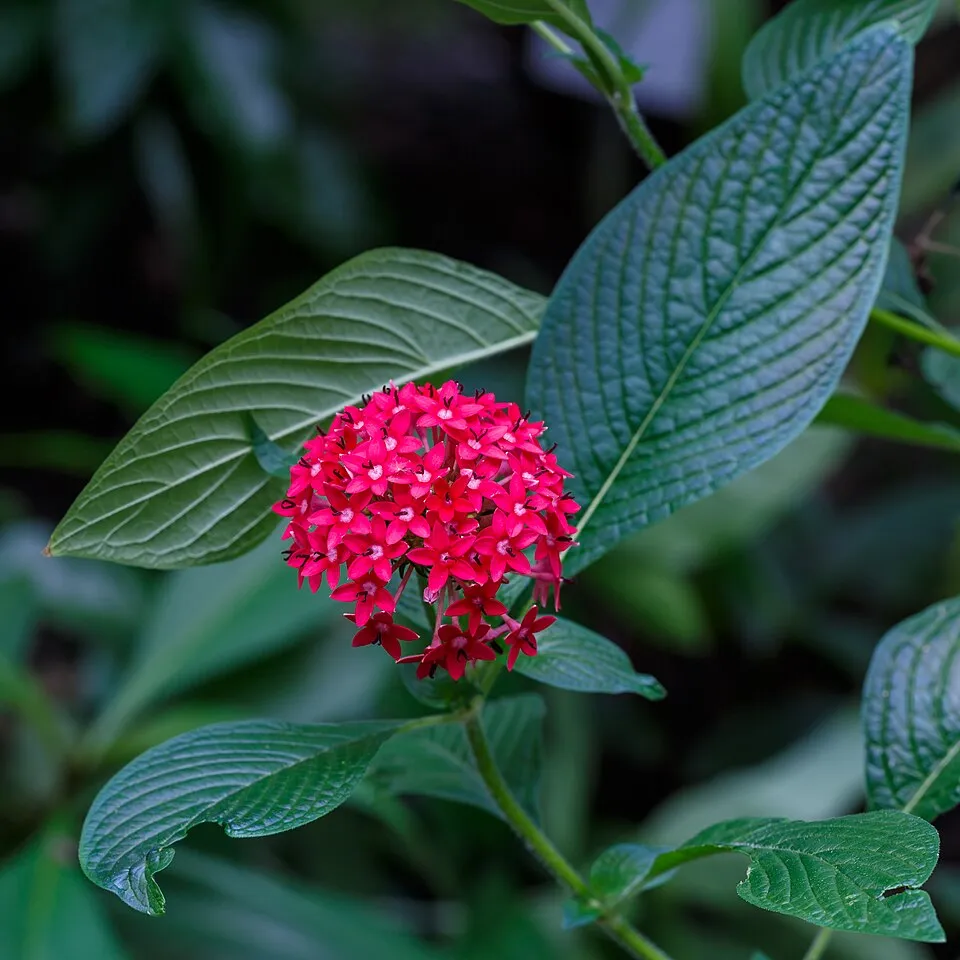
Pentas lanceolata, commonly known as Egyptian Starcluster, is a captivating perennial herb or subshrub native to the tropical regions of East Africa, particularly from Ethiopia to Zimbabwe, and also found in Yemen. As a member of the diverse Rubiaceae family, which notably includes coffee and cinchona, Pentas lanceolata exhibits a robust, bushy growth habit, typically reaching heights and widths of 1 to 3 feet (30-90 cm). Its distinct morphology features opposite, simple, lanceolate leaves, dark green with a slightly pubescent texture, forming a lush backdrop for its prolific floral displays.
The plant is renowned for its terminal, dense, flat-topped cymes, each comprising numerous small, star-shaped flowers. These vibrant blossoms, ranging in hues from pink, red, and lavender to white, possess a slender corolla tube flaring into five pointed petals, characteristic of the genus. Blooming continuously throughout warm seasons, and often year-round in frost-free tropical and subtropical climates (USDA Zones 10-11), Pentas lanceolata is a significant pollinator magnet, actively attracting butterflies, bees, and hummingbirds, thereby contributing to garden biodiversity.
It thrives best in full sun to partial shade and requires consistently moist, well-draining soil rich in organic matter. While highly valued for its ornamental appeal in borders, containers, and mass plantings, its sensitivity to frost necessitates its cultivation as an annual in cooler temperate zones. Regular deadheading promotes extended flowering and maintains its aesthetic form.
Trusted Scientific References
1. Authoritative external sources for Pentas lanceolata
1.1 Wikipedia — Pentas lanceolata
1.2 Kew POWO (Plants of the World Online)
1.3 PubMed — peer-reviewed research
1.4 NCBI Taxonomy Browser
1.5 GBIF — Global Biodiversity
1.6Pentas Lanceolata should be interpreted through verified botanical identity, practical care, and responsible safety language. This recovery note adds the missing context needed for a complete profile: match light to the plant's habit, use well-drained soil, water according to season, and avoid unsupported medicinal or edible claims. For publishing, the plant can be presented as a source-backed garden plant with clear care guidance, common problem diagnosis, and conservative safety wording.
1.1.Pentas Lanceolata — Key Features
- ✓ <strong>Common Name</strong> — Egyptian Starcluster, Pentas.
- ✓ <strong>Scientific Name</strong> — Pentas lanceolata.
- ✓ <strong>Family</strong> — Rubiaceae (Coffee Family).
- ✓ <strong>Native Range</strong> — Tropical Africa and Yemen.
- ✓ <strong>Flower Morphology</strong> — Star-shaped, five-petaled flowers in dense clusters.
- ✓ <strong>Pollinator Magnet</strong> — Highly attractive to butterflies, hummingbirds, and bees.
- ✓ <strong>Growth Habit</strong> — Bushy perennial subshrub, typically 1-3 feet tall.
- ✓ <strong>Foliage</strong> — Opposite, lance-shaped, dark green, slightly fuzzy leaves.
- ✓ <strong>Blooming Season</strong> — Continuous bloom in warm climates, often year-round.
- ✓ <strong>Cultivation</strong> — Prefers full sun, well-draining soil, and is frost-sensitive.
1.2.Pentas Lanceolata — Quick Summary
- ✓ Pentas lanceolata is an ornamental perennial known for its star-shaped flowers.
- ✓ Native to tropical Africa and Yemen, it's a magnet for pollinators like butterflies.
- ✓ Traditionally, some Pentas species are used for anti-inflammatory and antimicrobial purposes.
- ✓ Key chemical constituents likely include flavonoids, phenolic acids, and alkaloids.
- ✓ Requires full sun, well-draining soil, and is sensitive to frost.
- ✓ Always exercise caution and consult experts before medicinal use.
2.Pentas Lanceolata — Scientific Identity
3.Pentas Lanceolata — Quick Facts
4.Pentas Lanceolata — Appearance & Identification
5.Pentas Lanceolata — Native Habitat
6.Pentas Lanceolata — Water Requirements
- ✓ Sunlight — Thrives in full sun to partial shade; full sun promotes the most abundant flowering.
- ✓ Soil Requirements — Prefers well-draining, fertile soil rich in organic matter with a slightly acidic to neutral pH (6.0-7.0).
- ✓ Watering — Requires moderate, consistent watering, especially during dry periods; avoid waterlogging.
- ✓ Temperature & Humidity — Best in warm, humid conditions; sensitive to frost and grown as an annual in colder climates (Zones 9 and below).
- ✓ Fertilization — Benefits from regular feeding with a balanced liquid fertilizer every 2-4 weeks during the growing season.
- ✓ Pruning & Deadheading — Regular deadheading of spent flower clusters encourages continuous blooming and maintains a tidy appearance; trim to shape as needed.
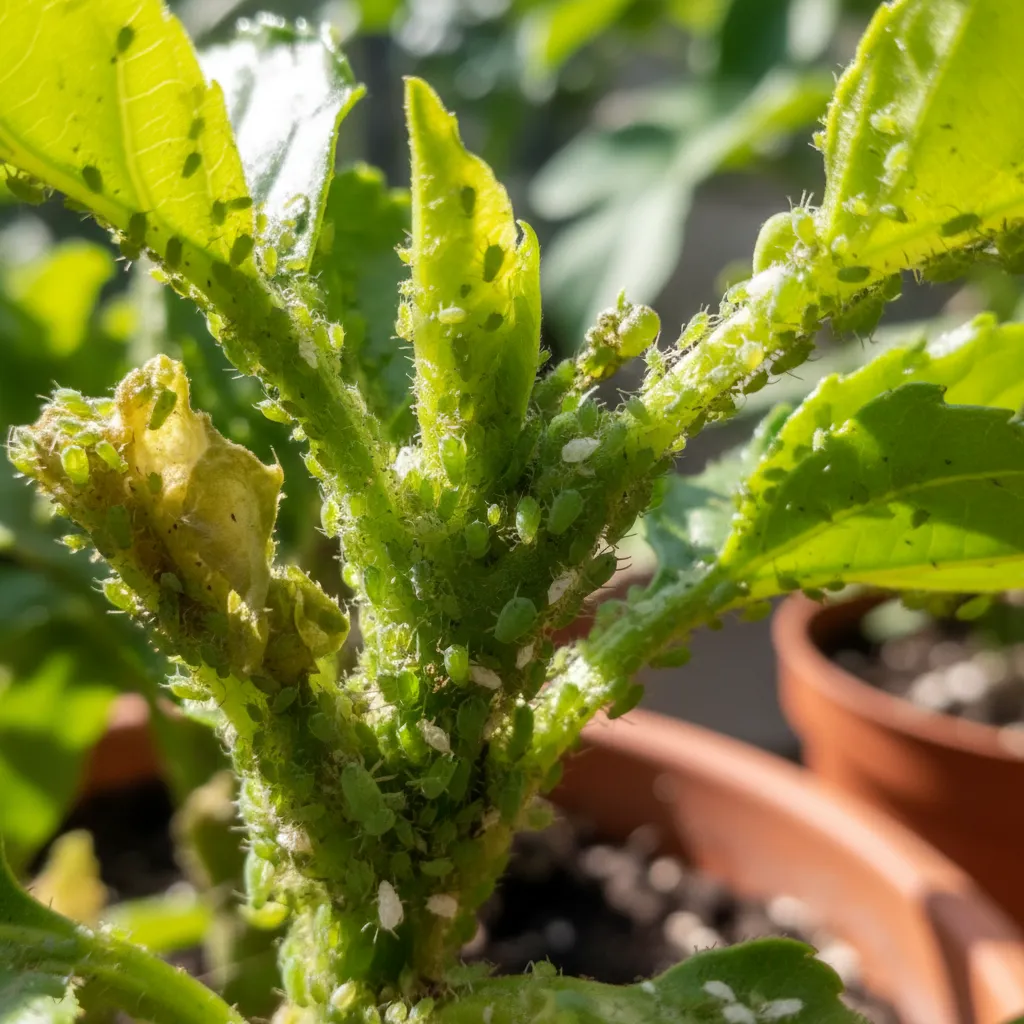
- ✓ Pest Management — Monitor for common pests like aphids and spider mites, and treat promptly with appropriate organic or chemical controls.
- ✓ Propagation — Easily propagated from stem cuttings in spring or by seed.
Reviewed by the Flora Medical Global Botanical Review Panel
Multi-disciplinary editorial group · Botany · Ethnobotany · Herbal-medicine literature
Who reviewed this: This page was checked by the Flora Medical Global Botanical Review Panel — an in-house editorial group of botany graduates, ethnobotany researchers, and horticulture practitioners who collectively maintain our 7,000+ plant encyclopedia. Meet the team.
Our 4-step verification process
1. Taxonomic verification
Scientific names and synonyms cross-checked against Kew POWO, World Flora Online, and The Plant List.
2. Phytochemical & medicinal cross-reference
Active compounds, traditional uses, and reported activities are cross-referenced with PubMed, USDA Dr. Duke's database, and peer-reviewed ethnobotanical literature.
3. Conservation & distribution check
Distribution, ecology, and conservation status confirmed against GBIF occurrence records and the IUCN Red List.
4. Editorial & safety review
Every entry passes an editorial pass for clarity, originality, and safety notices (toxicity, contraindications, dosage caveats) before publication.
Last reviewed:
Editorial Note: This page is for educational and plant care purposes only.
Written by: Flora Medical Global Editorial Team
Reviewed by: Flora Medical Global Botanical Review Panel
Last Updated: June 16, 2026







Pentas Lanceolata — Comments & Community Reviews
Rate this plant