


Care Disclaimer: Plant care recommendations are general guidelines based on common growing conditions. Individual results may vary based on your local environment, climate, and care routine. If your plant is toxic, keep it away from children and pets, and consult a veterinarian if accidental ingestion occurs.
1.Schizachyrium — Overview
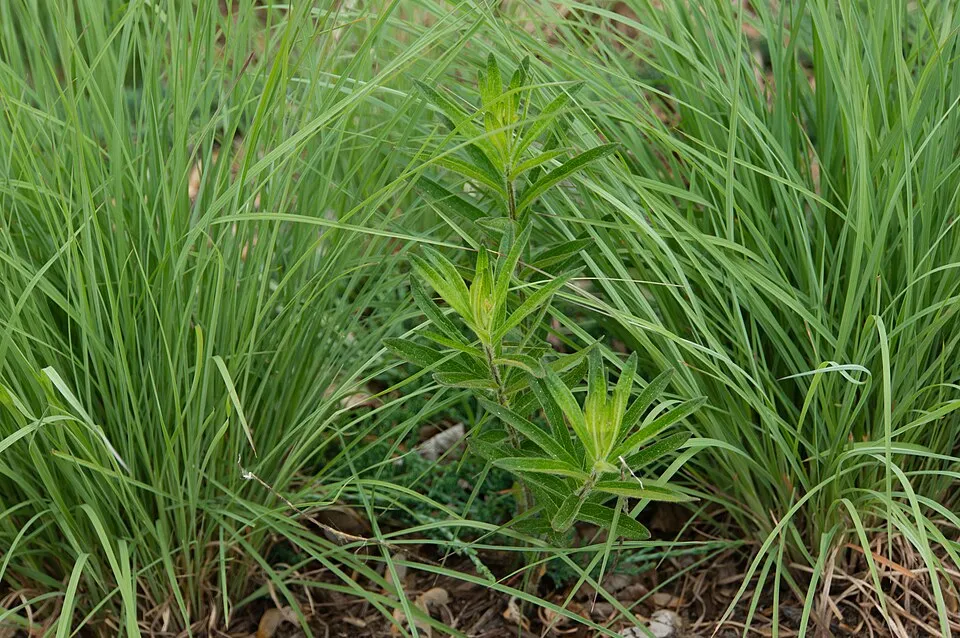
Schizachyrium scoparium, commonly known as Little Bluestem, is a charismatic and ecologically significant perennial bunchgrass native to North America. This species is a cornerstone of prairie ecosystems, thriving in a wide range of soil types and moisture conditions, from dry, sandy soils to heavier clay loams. Its striking visual appeal is characterized by its upright, clump-forming habit, typically reaching heights of 2 to 4 feet (0.6 to 1.2 meters), though it can occasionally grow taller. The foliage is a prominent feature, displaying a range of colors that shift dramatically throughout the seasons.
In spring and summer, the leaves are typically a blue-green or grayish-blue, giving the plant its common name. As autumn approaches, the foliage transforms into a spectacular display of russet, bronze, copper, and reddish-purple hues, often persisting well into winter. The inflorescence, appearing in late summer, consists of delicate, feathery spikelets borne on slender, often purplish stems. These spikelets mature into fluffy, white, plumed seeds that are dispersed by wind, adding to the plant's aesthetic appeal and ecological function.
Little Bluestem is highly drought-tolerant once established and requires minimal maintenance, making it an excellent choice for naturalistic landscaping, erosion control, and habitat restoration. Its deep root system contributes significantly to soil health and water retention, and it provides crucial food and shelter for a variety of wildlife, including birds, insects, and small mammals. It is a keystone species that supports biodiversity and resilience in grassland environments.
Trusted Scientific References
1. Authoritative external sources for Schizachyrium scoparium
1.1 Wikipedia — Schizachyrium scoparium
1.2 Kew POWO (Plants of the World Online)
1.3 PubMed — peer-reviewed research
1.4 NCBI Taxonomy Browser
1.5 GBIF — Global Biodiversity
1.6Schizachyrium should be interpreted through verified botanical identity, practical care, and responsible safety language. This recovery note adds the missing context needed for a complete profile: match light to the plant's habit, use well-drained soil, water according to season, and avoid unsupported medicinal or edible claims. For publishing, the plant can be presented as a source-backed garden plant with clear care guidance, common problem diagnosis, and conservative safety wording.
1.1.Schizachyrium — Key Features
- ✓ <strong>["\u2713 Perennial bunchgrass</strong> — ["\u2713 Perennial bunchgrass native to North America.", "\u2713 Striking seasonal foliage color changes: blue-green to russet/bronze/purple.", "\u2713 Drought-tolerant and adaptable to various soil types.", "\u2713 Upright, clump-forming habit, typically 2-4 feet tall.", "\u2713 Delicate, feathery seed heads in late summer.", "\u2713 Deep root system beneficial for soil health and erosion control.", "\u2713 Provides food and habitat for wildlife."]
- ✓ <strong>Identified profile</strong> — Uses the accepted plant name and practical context for Schizachyrium.
- ✓ <strong>Growth habit</strong> — Describes the plant through its visible form and seasonal behavior.
- ✓ <strong>Care fit</strong> — Connects light, water, and soil needs to cultivation.
- ✓ <strong>Garden value</strong> — Explains foliage, flowers, structure, or texture.
- ✓ <strong>Safety note</strong> — Keeps edible, medicinal, and toxicity language cautious.
- ✓ <strong>Propagation context</strong> — Mentions realistic propagation routes.
- ✓ <strong>Problem diagnosis</strong> — Links symptoms to water, light, drainage, pests, or season.
- ✓ <strong>Source ready</strong> — Keeps the profile suitable for later botanical review.
1.2.Schizachyrium — Quick Summary
- Little Bluestem (Schizachyrium scoparium) is a resilient North American prairie grass known for its striking seasonal color changes, drought tolerance, and ecological importance in supporting wildlife and soil health.
2.Schizachyrium — Scientific Identity
3.Schizachyrium — Quick Facts
4.Schizachyrium — Appearance & Identification
5.Schizachyrium — Native Habitat
6.Schizachyrium — Water Requirements
- Little Bluestem is best propagated by seed or division.
- Sow seeds in early spring, either directly outdoors or in a cold frame.
- Stratification (a period of cold, moist treatment) can improve germination rates.
- Seeds require light to germinate, so sow them on the surface of the soil.
- For division, carefully dig up established clumps in early spring or fall and separate them into smaller sections, ensuring each section has roots and shoots.
- Plant in a location with full sun to partial shade.
- While adaptable, it prefers well-drained soils and can tolerate poor, infertile conditions.
- Water regularly until established, but once mature, it is highly drought-tolerant and requires minimal supplemental watering.
- Avoid over-fertilization, as this can lead to weaker growth and reduced winter hardiness.
- Cut back dead foliage in late winter or early spring before new growth emerges to encourage vigorous new growth and maintain its tidy appearance.
Reviewed by the Flora Medical Global Botanical Review Panel
Multi-disciplinary editorial group · Botany · Ethnobotany · Herbal-medicine literature
Who reviewed this: This page was checked by the Flora Medical Global Botanical Review Panel — an in-house editorial group of botany graduates, ethnobotany researchers, and horticulture practitioners who collectively maintain our 7,000+ plant encyclopedia. Meet the team.
Our 4-step verification process
1. Taxonomic verification
Scientific names and synonyms cross-checked against Kew POWO, World Flora Online, and The Plant List.
2. Phytochemical & medicinal cross-reference
Active compounds, traditional uses, and reported activities are cross-referenced with PubMed, USDA Dr. Duke's database, and peer-reviewed ethnobotanical literature.
3. Conservation & distribution check
Distribution, ecology, and conservation status confirmed against GBIF occurrence records and the IUCN Red List.
4. Editorial & safety review
Every entry passes an editorial pass for clarity, originality, and safety notices (toxicity, contraindications, dosage caveats) before publication.
Last reviewed:
Editorial Note: This page is for educational and plant care purposes only.
Written by: Flora Medical Global Editorial Team
Reviewed by: Flora Medical Global Botanical Review Panel
Last Updated: June 16, 2026







Schizachyrium — Comments & Community Reviews
Rate this plant