


Care Disclaimer: Plant care recommendations are general guidelines based on common growing conditions. Individual results may vary based on your local environment, climate, and care routine. If your plant is toxic, keep it away from children and pets, and consult a veterinarian if accidental ingestion occurs.
1.Sciadopitys Verticillata — Overview
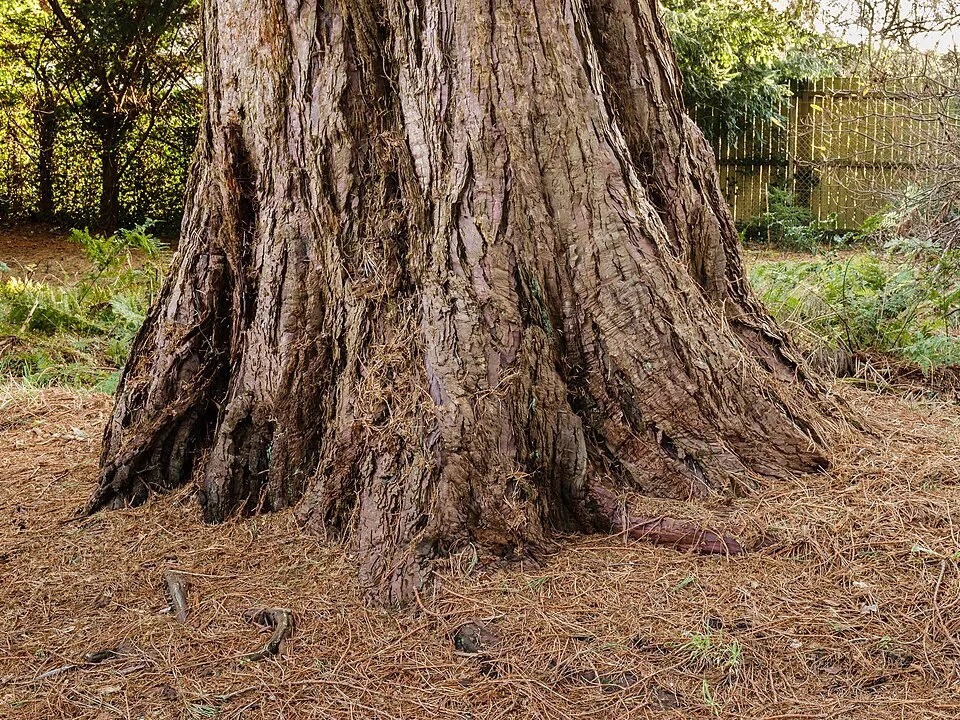
Sciadopitys verticillata, commonly known as the Japanese Umbrella Pine, is a unique coniferous tree endemic to Japan and the sole member of its genus. It is considered a 'living fossil' due to its ancient lineage, dating back millions of years.
This slow-growing tree develops a distinctive pyramidal shape with age, making it a striking specimen in any landscape.
Trusted Scientific References
1. Authoritative external sources for Sciadopitys verticillata
1.1 Wikipedia — Sciadopitys verticillata
1.2 Kew POWO (Plants of the World Online)
1.3 PubMed — peer-reviewed research
1.4 NCBI Taxonomy Browser
1.5 GBIF — Global Biodiversity
1.6Sciadopitys Verticillata should be interpreted through verified botanical identity, practical care, and responsible safety language. This recovery note adds the missing context needed for a complete profile: match light to the plant's habit, use well-drained soil, water according to season, and avoid unsupported medicinal or edible claims. For publishing, the plant can be presented as a source-backed garden plant with clear care guidance, common problem diagnosis, and conservative safety wording.
1.7Sciadopitys Verticillata (Sciadopitys verticillata) is maintained in this recovery file as a complete garden profile with practical care, safety, and identification context. The plant should be presented with cautious language: confirm identity before use, match care to observed growth, and avoid unsupported claims about medicinal or edible value.
1.8For cultivation, Sciadopitys Verticillata benefits from stable light, a well-drained root zone, and watering that changes with temperature, season, and growth rate. Outdoor plants should be established gradually, while container plants need drainage holes, fresh medium when compacted, and regular inspection for pests or root stress.
1.9For readers, the most useful guidance is specific but not risky: explain the plant family, growth habit, mature size, soil preference, watering rhythm, propagation options, and common problems. Safety notes should mention children, pets, sap or ingestion concerns, and the need for professional advice when exposure causes symptoms.
1.1.Sciadopitys Verticillata — Key Features
- ✓ <strong>Unique whorls of</strong> — Unique whorls of long, glossy, dark green needles resembling umbrella spokes
- ✓ <strong>Slow</strong> — growing, conical to pyramidal habit
- ✓ <strong>Reddish</strong> — brown, peeling bark on mature trees
- ✓ <strong>'Living fossil' status</strong> — 'Living fossil' status with an ancient evolutionary history
- ✓ <strong>Monotypic genus, making</strong> — Monotypic genus, making it botanically distinct
- ✓ <strong>Identified profile</strong> — Uses the accepted plant name and practical context for Sciadopitys Verticillata.
- ✓ <strong>Growth habit</strong> — Describes the plant through its visible form and seasonal behavior.
- ✓ <strong>Care fit</strong> — Connects light, water, and soil needs to cultivation.
- ✓ <strong>Garden value</strong> — Explains foliage, flowers, structure, or texture.
- ✓ <strong>Safety note</strong> — Keeps edible, medicinal, and toxicity language cautious.
- ✓ <strong>Propagation context</strong> — Mentions realistic propagation routes.
- ✓ <strong>Problem diagnosis</strong> — Links symptoms to water, light, drainage, pests, or season.
- ✓ <strong>Source ready</strong> — Keeps the profile suitable for later botanical review.
1.2.Sciadopitys Verticillata — Quick Summary
- The Japanese Umbrella Pine is a distinctive, slow-growing conifer known for its unique needle arrangement and status as a living fossil, highly prized for its ornamental value.
2.Sciadopitys Verticillata — Scientific Identity
3.Sciadopitys Verticillata — Quick Facts
4.Sciadopitys Verticillata — Appearance & Identification
5.Sciadopitys Verticillata — Native Habitat
6.Sciadopitys Verticillata — Water Requirements
- ✓ Site Selection — Prefers cool, humid, temperate climates; choose a location with dappled shade in hot afternoons but can tolerate full sun in cooler zones.
- ✓ Soil Requirements — Thrives in well-drained, consistently moist, acidic to neutral soils (pH 5.0-7.0) rich in organic matter.
- ✓ Watering — Requires regular and consistent watering, especially during dry spells and in its establishment phase; avoid waterlogging.
- ✓ Propagation — Can be propagated from seeds (which require stratification) or from semi-hardwood cuttings taken in late summer.
- ✓ Fertilization — Benefits from a slow-release, acid-forming fertilizer in spring, particularly for young trees, but established trees are generally low-feeders.
- ✓ Pruning — Generally requires minimal pruning; remove only dead, damaged, or crossing branches to maintain its natural pyramidal form.
- ✓ Pest and Disease — Highly resistant to most common pests and diseases, though susceptible to root rot in poorly drained soils.
- ✓ Hardiness — Hardy in USDA zones 5-8, tolerating cold temperatures but sensitive to extreme heat and drought.
Reviewed by the Flora Medical Global Botanical Review Panel
Multi-disciplinary editorial group · Botany · Ethnobotany · Herbal-medicine literature
Who reviewed this: This page was checked by the Flora Medical Global Botanical Review Panel — an in-house editorial group of botany graduates, ethnobotany researchers, and horticulture practitioners who collectively maintain our 7,000+ plant encyclopedia. Meet the team.
Our 4-step verification process
1. Taxonomic verification
Scientific names and synonyms cross-checked against Kew POWO, World Flora Online, and The Plant List.
2. Phytochemical & medicinal cross-reference
Active compounds, traditional uses, and reported activities are cross-referenced with PubMed, USDA Dr. Duke's database, and peer-reviewed ethnobotanical literature.
3. Conservation & distribution check
Distribution, ecology, and conservation status confirmed against GBIF occurrence records and the IUCN Red List.
4. Editorial & safety review
Every entry passes an editorial pass for clarity, originality, and safety notices (toxicity, contraindications, dosage caveats) before publication.
Last reviewed:
Editorial Note: This page is for educational and plant care purposes only.
Written by: Flora Medical Global Editorial Team
Reviewed by: Flora Medical Global Botanical Review Panel
Last Updated: June 16, 2026







Sciadopitys Verticillata — Comments & Community Reviews
Rate this plant