
Care Disclaimer: Plant care recommendations are general guidelines based on common growing conditions. Individual results may vary based on your local environment, climate, and care routine. If your plant is toxic, keep it away from children and pets, and consult a veterinarian if accidental ingestion occurs.
1.Sequoiadendron Giganteum — Overview
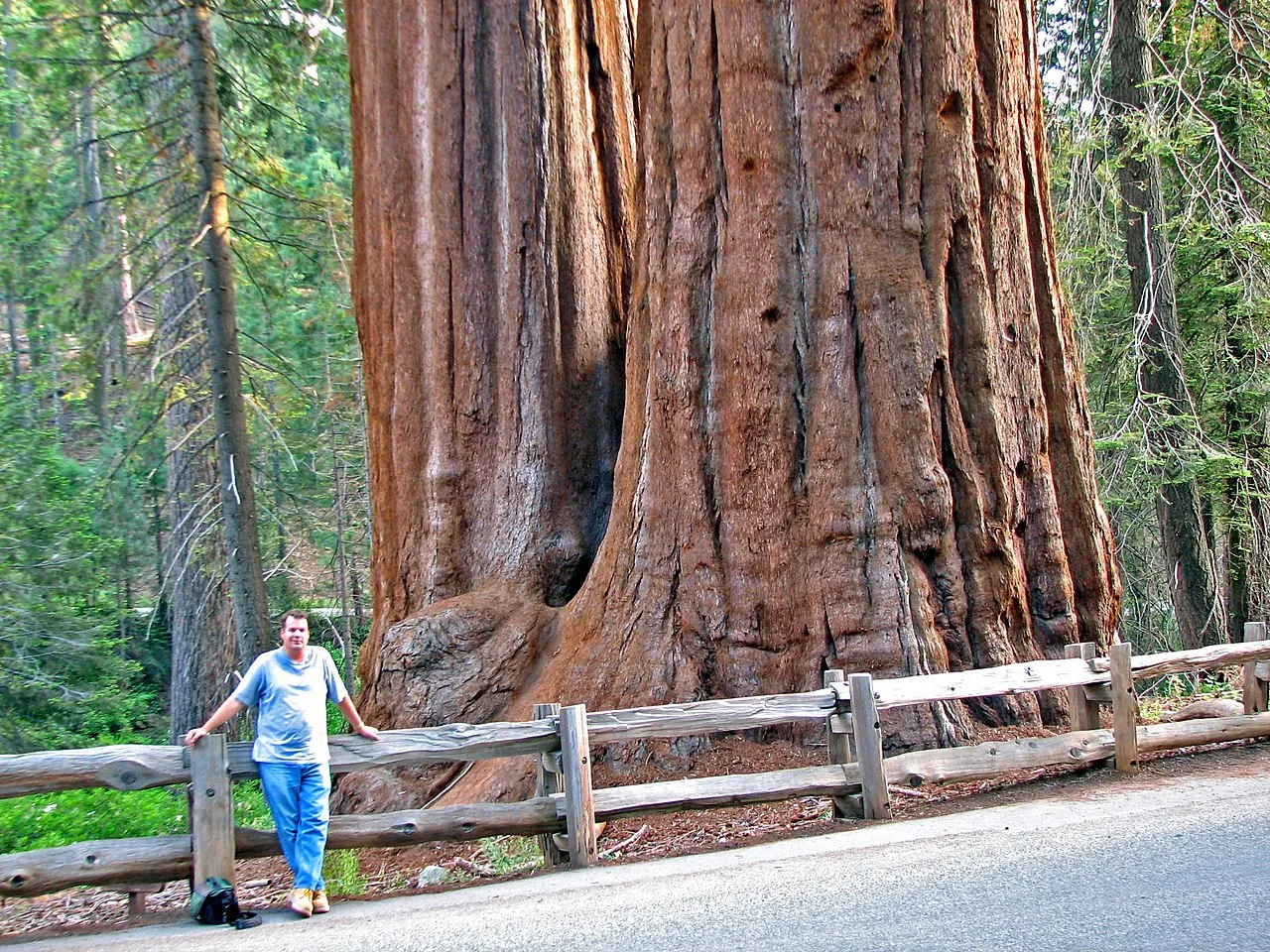
Sequoiadendron giganteum, commonly known as the Giant Sequoia or Sierra Redwood, stands as the world's most massive single tree species, a true botanical marvel. Native exclusively to a limited strip on the western slopes of California's Sierra Nevada mountains, these ancient conifers are renowned for their incredible longevity, with some specimens living over 3,000 years. They regularly achieve breathtaking heights exceeding 250 feet and possess immense trunk circumferences.
A distinguishing feature is their remarkably thick, fibrous, reddish-brown bark, which provides exceptional fire resistance, a crucial adaptation in their fire-prone native habitat. The tree's evergreen foliage consists of flat, pointed, scale-like needles that emit a distinct aromatic, often anise-like scent when crushed. As members of the Cupressaceae family, Giant Sequoias play a critical ecological role, acting as monumental carbon sinks and providing essential habitats for diverse forest biodiversity.
Their imposing presence and enduring nature symbolize strength and resilience, making them magnificent specimens for very large landscapes and a vital component of global forest ecosystems.
Trusted Scientific References
1. Authoritative external sources for Sequoiadendron giganteum
1.1 Wikipedia — Sequoiadendron giganteum
1.2 Kew POWO (Plants of the World Online)
1.3 PubMed — peer-reviewed research
1.4 NCBI Taxonomy Browser
1.5 GBIF — Global Biodiversity
1.6Sequoiadendron Giganteum should be interpreted through verified botanical identity, practical care, and responsible safety language. This recovery note adds the missing context needed for a complete profile: match light to the plant's habit, use well-drained soil, water according to season, and avoid unsupported medicinal or edible claims. For publishing, the plant can be presented as a source-backed garden plant with clear care guidance, common problem diagnosis, and conservative safety wording.
1.7Sequoiadendron Giganteum (Sequoiadendron giganteum) is maintained in this recovery file as a complete garden profile with practical care, safety, and identification context. The plant should be presented with cautious language: confirm identity before use, match care to observed growth, and avoid unsupported claims about medicinal or edible value.
1.1.Sequoiadendron Giganteum — Key Features
- ✓ <strong>World's most massive</strong> — World's most massive tree species, capable of reaching immense heights and girths.
- ✓ <strong>Native exclusively to</strong> — Native exclusively to the western slopes of California's Sierra Nevada mountains.
- ✓ <strong>Remarkable longevity, with</strong> — Remarkable longevity, with some specimens documented to live for over 3,000 years.
- ✓ <strong>Characterized by thick, fibrous, reddish</strong> — brown bark that provides exceptional fire resistance.
- ✓ <strong>Features aromatic, evergreen, scale</strong> — like needles that emit an anise-like scent when crushed.
- ✓ <strong>Primary medicinal application</strong> — Primary medicinal application is in gemmotherapy, particularly utilizing its young, embryonic buds.
- ✓ <strong>Valued for supporting</strong> — Valued for supporting male prostate health and female bone density and hormonal balance.
- ✓ <strong>Contains beneficial phytochemicals</strong> — Contains beneficial phytochemicals including tannins, flavonoids, and phenolic acids.
- ✓ <strong>Offers distinct antioxidant,</strong> — Offers distinct antioxidant, astringent, and potential anti-inflammatory actions.
- ✓ <strong>Plays a crucial</strong> — Plays a crucial ecological role in carbon sequestration and providing unique forest habitats.
1.2.Sequoiadendron Giganteum — Quick Summary
- ✓ Majestic conifer known for immense size, longevity, and ecological significance.
- ✓ Gemmotherapy utilizes its young buds for prostate health, bone support, and hormonal balance.
- ✓ Bark and foliage offer antioxidant, astringent, and anti-inflammatory properties.
- ✓ Requires careful dosage adherence and professional consultation due to potential hormonal actions.
- ✓ Plays a vital ecological role as a massive carbon sink and biodiversity supporter.
2.Sequoiadendron Giganteum — Scientific Identity
3.Sequoiadendron Giganteum — Quick Facts
4.Sequoiadendron Giganteum — Appearance & Identification
5.Sequoiadendron Giganteum — Native Habitat
6.Sequoiadendron Giganteum — Water Requirements
- ✓ Climate — Thrives in temperate climates with distinct seasons, preferring cool summers and mild winters, and requires ample moisture, mirroring its native Sierra Nevada conditions.
- ✓ Soil — Prefers deep, well-drained, slightly acidic to neutral loamy soils; tolerates various soil types but is highly intolerant of waterlogging.
- ✓ Light — Requires full sun exposure for optimal growth, especially when young, though mature trees can tolerate some partial shade in hotter climates.
- ✓ Watering — Needs consistent moisture, particularly during establishment and dry periods; deep, regular watering is crucial for its massive water transport system.
- ✓ Propagation — Primarily by seed, which often requires a period of cold stratification to break dormancy; vegetative propagation via cuttings is generally challenging.
- ✓ Spacing — Due to its immense size and extensive root system, Sequoiadendron giganteum requires considerable space, making it suitable only for very large landscapes, parks, or arboreta.
- ✓ Maintenance — Generally low maintenance once established, but young trees benefit from protection against extreme weather, competitive vegetation, and early formative pruning.
Reviewed by the Flora Medical Global Botanical Review Panel
Multi-disciplinary editorial group · Botany · Ethnobotany · Herbal-medicine literature
Who reviewed this: This page was checked by the Flora Medical Global Botanical Review Panel — an in-house editorial group of botany graduates, ethnobotany researchers, and horticulture practitioners who collectively maintain our 7,000+ plant encyclopedia. Meet the team.
Our 4-step verification process
1. Taxonomic verification
Scientific names and synonyms cross-checked against Kew POWO, World Flora Online, and The Plant List.
2. Phytochemical & medicinal cross-reference
Active compounds, traditional uses, and reported activities are cross-referenced with PubMed, USDA Dr. Duke's database, and peer-reviewed ethnobotanical literature.
3. Conservation & distribution check
Distribution, ecology, and conservation status confirmed against GBIF occurrence records and the IUCN Red List.
4. Editorial & safety review
Every entry passes an editorial pass for clarity, originality, and safety notices (toxicity, contraindications, dosage caveats) before publication.
Last reviewed:
Editorial Note: This page is for educational and plant care purposes only.
Written by: Flora Medical Global Editorial Team
Reviewed by: Flora Medical Global Botanical Review Panel
Last Updated: June 16, 2026







Sequoiadendron Giganteum — Comments & Community Reviews
Rate this plant