


Care Disclaimer: Plant care recommendations are general guidelines based on common growing conditions. Individual results may vary based on your local environment, climate, and care routine. If your plant is toxic, keep it away from children and pets, and consult a veterinarian if accidental ingestion occurs.
1.Star Fruit — Overview

Averrhoa carambola, widely recognized as star fruit or carambola, is a captivating tropical fruit tree belonging to the Oxalidaceae family, renowned for its distinctive star-shaped cross-section when sliced. Native to the warm, humid climates of Southeast Asia, particularly regions like Sri Lanka, India, and Indonesia, this species has been cultivated for millennia, deeply embedding itself in local cuisines and traditional medicinal practices. Morphologically, the Averrhoa carambola tree is a small to medium-sized evergreen, typically growing up to 5-12 meters tall, featuring a bushy canopy.
Its leaves are pinnate, composed of 5-11 oval leaflets that exhibit nyctinastic movements, folding inward at night. The fragrant, bell-shaped flowers are small, pink to lavender, and borne in axillary clusters, eventually giving way to the striking fruit. The fruit itself is typically yellow to greenish-yellow when ripe, with 5-6 prominent longitudinal ridges.
Its flavor profile ranges from distinctly tart to subtly sweet, depending on the variety and ripeness. Beyond its native range, star fruit is now cultivated globally in tropical and subtropical zones, including Florida, Hawaii, and parts of Central and South America, thriving in well-drained, slightly acidic soils. Historically, its journey through ancient trade routes facilitated its widespread adoption, where it became valued for both its refreshing taste and its perceived health benefits within systems like Ayurveda and Unani medicine.
Trusted Scientific References
1. Authoritative external sources for Averrhoa carambola
1.1 Wikipedia — Averrhoa carambola
1.2 Kew POWO (Plants of the World Online)
1.3 PubMed — peer-reviewed research
1.4 NCBI Taxonomy Browser
1.5 GBIF — Global Biodiversity
1.6Averrhoa Carambola should be interpreted through verified botanical identity, practical care, and responsible safety language. This recovery note adds the missing context needed for a complete profile: match light to the plant's habit, use well-drained soil, water according to season, and avoid unsupported medicinal or edible claims. For publishing, the plant can be presented as a source-backed garden plant with clear care guidance, common problem diagnosis, and conservative safety wording.
1.1.Star Fruit — Key Features
- ✓ <strong>Distinctive Star Shape</strong> — Iconic five-pointed star cross-section when sliced.
- ✓ <strong>Sweet</strong> — Tart Flavor Profile — Ranges from tangy to mildly sweet, appealing to many palates.
- ✓ <strong>High Antioxidant Content</strong> — Rich in Vitamin C, flavonoids, and phenolic compounds.
- ✓ <strong>Potential for Kidney and Neurological Toxicity</strong> — Due to caramboxin and oxalic acid, especially in kidney-compromised individuals.
- ✓ <strong>Indigenous to Southeast Asia</strong> — Widely cultivated in tropical and subtropical regions worldwide.
- ✓ <strong>Traditional Medicinal Uses</strong> — Employed in Ayurveda and Unani for various ailments like heat reduction and digestive support.
- ✓ <strong>Rich in Dietary Fiber</strong> — Contributes to digestive health and blood sugar regulation.
- ✓ <strong>Ornamental Value</strong> — Attractive tree with fragrant flowers and unique fruit.
- ✓ <strong>Nutritional Density</strong> — Provides essential vitamins and minerals with relatively low calories.
- ✓ <strong>Versatile Culinary Applications</strong> — Eaten fresh, juiced, or incorporated into cooked dishes and preserves.
1.2.Star Fruit — Quick Summary
- ✓ Averrhoa carambola, or star fruit, is a popular tropical fruit known for its distinctive shape and sweet-tart flavor.
- ✓ It is rich in antioxidants, Vitamin C, and dietary fiber, offering various nutritional benefits.
- ✓ Traditionally used in Asian medicine for cooling properties and digestive ailments.
- ✓ Contains caramboxin and high oxalate levels, posing significant neurotoxic and nephrotoxic risks.
- ✓ Strict contraindication for individuals with any kidney impairment due to potential for severe intoxication.
- ✓ Culinary versatility ranges from fresh consumption to jams, juices, and savory dishes.
2.Star Fruit — Scientific Identity
3.Star Fruit — Quick Facts
4.Star Fruit — Appearance & Identification
5.Star Fruit — Native Habitat
6.Star Fruit — Water Requirements
- ✓ Climate — Thrives in tropical and subtropical regions with warm temperatures and high humidity, sensitive to frost.
- ✓ Soil Requirements — Prefers well-drained, fertile, slightly acidic to neutral soils (pH 5.5-7.0).
- ✓ Propagation — Commonly propagated by seeds, which germinate readily, or by grafting for desired varieties and faster fruiting.
- ✓ Watering — Requires consistent moisture, especially during dry spells and fruit development, but avoid waterlogging.
- ✓ Sunlight Exposure — Needs full sun exposure (at least 6-8 hours daily) for optimal growth and fruit production.
- ✓ Fertilization — Benefits from regular application of a balanced fertilizer, particularly during flowering and fruiting periods.
- ✓ Pruning — Light pruning helps maintain shape, remove dead branches, and encourage fruit production and air circulation.
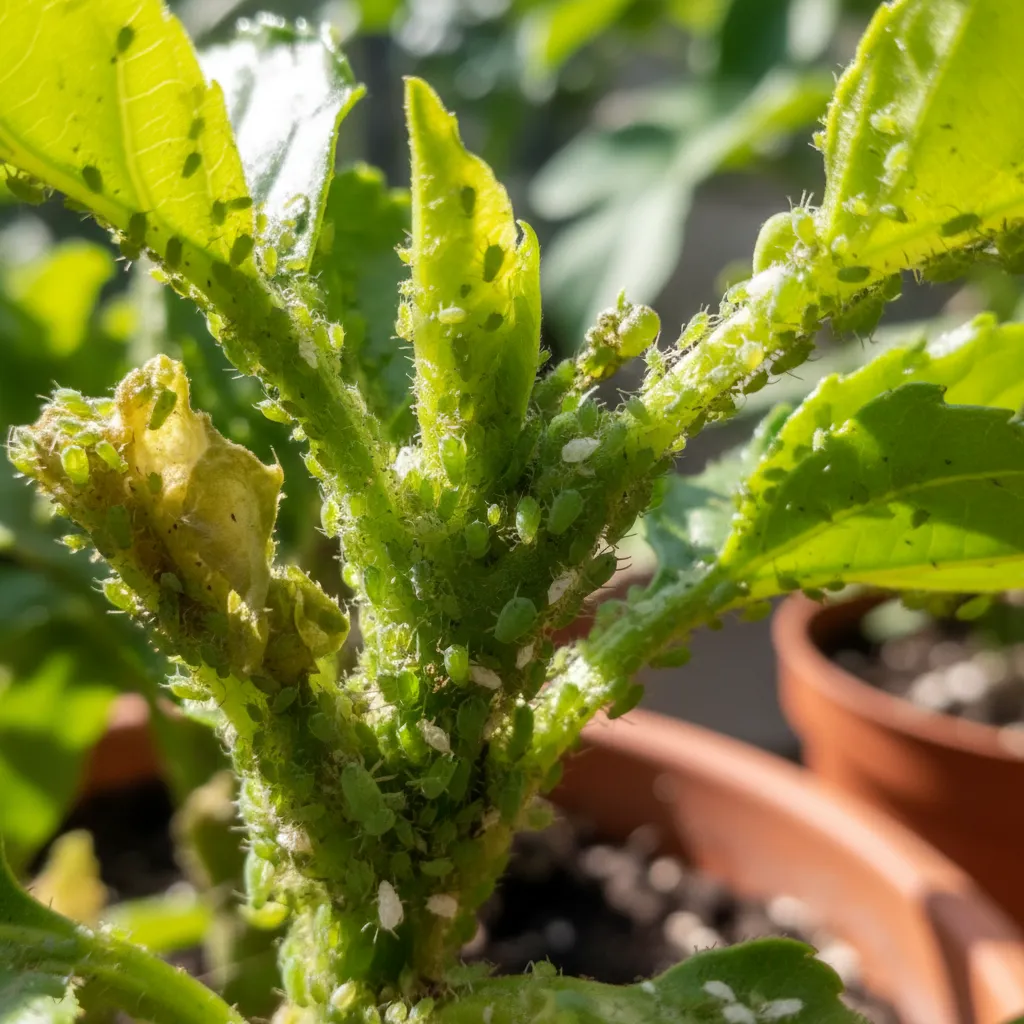
- ✓ Pest and Disease Management — Generally robust, but can be susceptible to fruit flies, scale insects, and occasional fungal issues.
Reviewed by the Flora Medical Global Botanical Review Panel
Multi-disciplinary editorial group · Botany · Ethnobotany · Herbal-medicine literature
Who reviewed this: This page was checked by the Flora Medical Global Botanical Review Panel — an in-house editorial group of botany graduates, ethnobotany researchers, and horticulture practitioners who collectively maintain our 7,000+ plant encyclopedia. Meet the team.
Our 4-step verification process
1. Taxonomic verification
Scientific names and synonyms cross-checked against Kew POWO, World Flora Online, and The Plant List.
2. Phytochemical & medicinal cross-reference
Active compounds, traditional uses, and reported activities are cross-referenced with PubMed, USDA Dr. Duke's database, and peer-reviewed ethnobotanical literature.
3. Conservation & distribution check
Distribution, ecology, and conservation status confirmed against GBIF occurrence records and the IUCN Red List.
4. Editorial & safety review
Every entry passes an editorial pass for clarity, originality, and safety notices (toxicity, contraindications, dosage caveats) before publication.
Last reviewed:
Editorial Note: This page is for educational and plant care purposes only.
Written by: Flora Medical Global Editorial Team
Reviewed by: Flora Medical Global Botanical Review Panel
Last Updated: June 19, 2026







Star Fruit — Comments & Community Reviews
Rate this plant
No reviews yet. Be the first!