

Care Disclaimer: Plant care recommendations are general guidelines based on common growing conditions. Individual results may vary based on your local environment, climate, and care routine. If your plant is toxic, keep it away from children and pets, and consult a veterinarian if accidental ingestion occurs.
1.Tomato — Overview
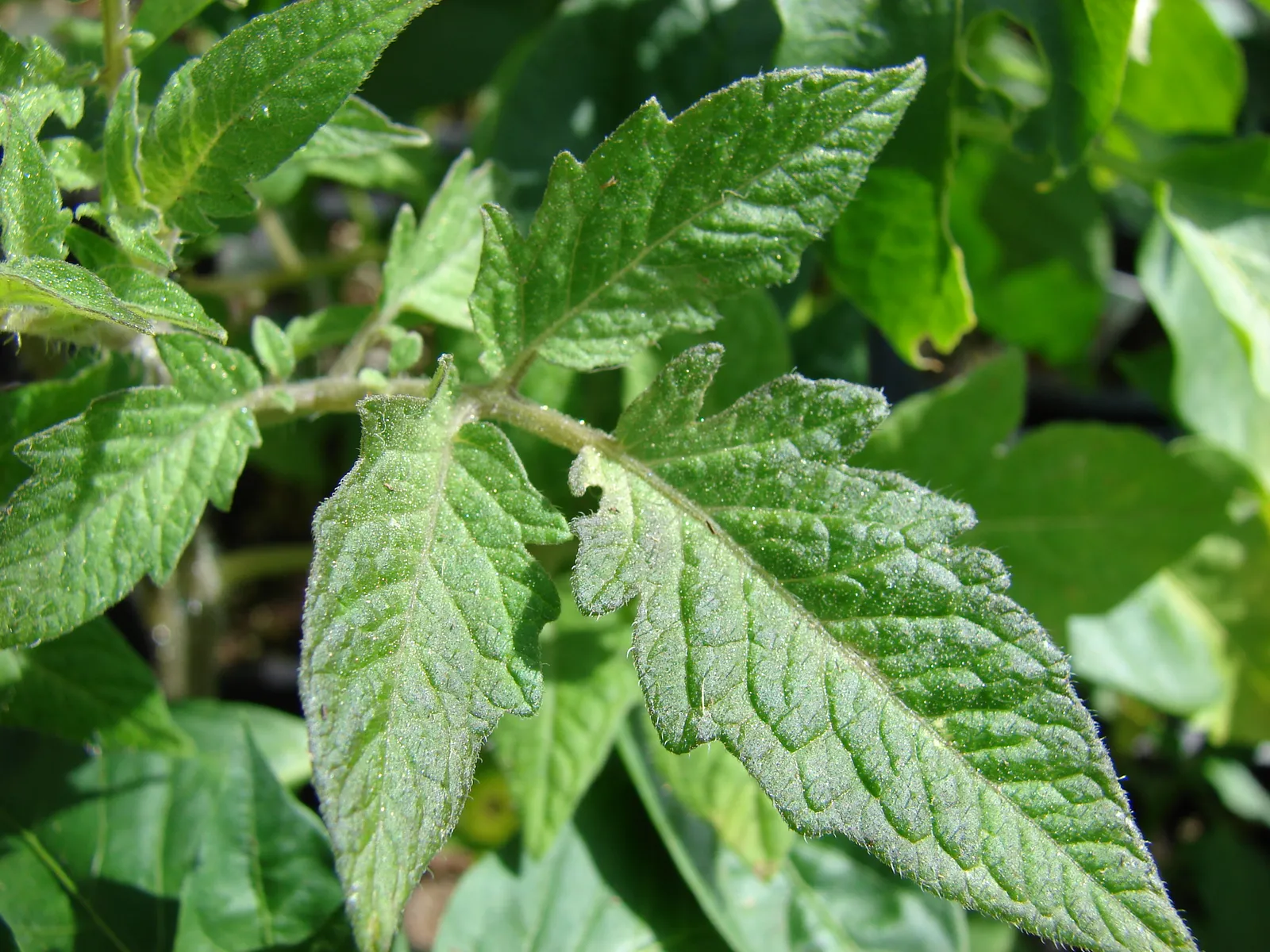
The tomato, scientifically known as Solanum lycopersicum, is a widely cultivated flowering plant belonging to the nightshade family, Solanaceae. Botanically, its edible fruit is classified as a berry, yet it is universally embraced as a culinary vegetable due to its distinct savory flavor profile. Native to the Andean regions of western South America, extending through Central America and Mexico, the tomato has transcended its origins to become a global agricultural staple, grown for its incredibly versatile fruits.
The plant typically exhibits a sprawling, vining growth habit, often necessitating structural support for optimal development. It yields fruits in an astonishing diversity of forms, sizes, and hues, ranging from miniature cherry tomatoes to substantial beefsteaks, and colors spanning vibrant reds, sunny yellows, deep oranges, verdant greens, and even rich purples. The etymology of its scientific name, Solanum lycopersicum, carries historical intrigue, with 'lycopersicum' translating to 'wolf peach,' a nod to ancient European folklore.
Valued for its complex tangy, sweet, and umami notes, the tomato is a foundational ingredient in myriad cuisines worldwide, enjoyed fresh, cooked, or processed into essential products like sauces, pastes, and juices, forming the heart of countless beloved dishes.
Trusted Scientific References
1. Authoritative external sources for Solanum lycopersicum
1.1 Wikipedia — Solanum lycopersicum
1.2 Kew POWO (Plants of the World Online)
1.3 PubMed — peer-reviewed research
1.4 NCBI Taxonomy Browser
1.5 GBIF — Global Biodiversity
1.6Tomato should be interpreted through verified botanical identity, practical care, and responsible safety language. This recovery note adds the missing context needed for a complete profile: match light to the plant's habit, use well-drained soil, water according to season, and avoid unsupported medicinal or edible claims. For publishing, the plant can be presented as a source-backed garden plant with clear care guidance, common problem diagnosis, and conservative safety wording.
1.1.Tomato — Key Features
- ✓ <strong>Botanical Classification</strong> — Fruit (berry) from the Solanaceae family, widely used as a culinary vegetable.
- ✓ <strong>Nutritional Powerhouse</strong> — Excellent source of vitamins (C, K, Folate) and minerals (Potassium).
- ✓ <strong>Lycopene Rich</strong> — Primary source of the potent antioxidant lycopene, especially in cooked forms.
- ✓ <strong>Antioxidant Properties</strong> — High content of carotenoids, flavonoids, and phenolic acids combats oxidative stress.
- ✓ <strong>Global Cultivation</strong> — One of the most widely grown and consumed produce items worldwide.
- ✓ <strong>Culinary Versatility</strong> — Integral to diverse cuisines, used fresh, cooked, processed into sauces, pastes, and juices.
- ✓ <strong>Diverse Varieties</strong> — Thousands of cultivars exist, varying in size, shape, color, and flavor profiles.
- ✓ <strong>Anti</strong> — inflammatory Compounds — Contains quercetin and kaempferol, contributing to its health benefits.
- ✓ <strong>Cardiovascular Support</strong> — Contributes to heart health by reducing cholesterol oxidation and improving blood pressure.
- ✓ <strong>Skin and Vision Health</strong> — Supports collagen production, offers UV protection, and protects against macular degeneration.
1.2.Tomato — Quick Summary
- ✓ Solanum lycopersicum is botanically a fruit, culinarily a vegetable, and a global food staple.
- ✓ Rich in lycopene, Vitamin C, Vitamin K, and potassium, offering significant health benefits.
- ✓ Known for its powerful antioxidant properties, supporting cardiovascular health and cancer prevention.
- ✓ Versatile in culinary applications, from fresh salads to cooked sauces and juices.
- ✓ Cooking tomatoes enhances the bioavailability of lycopene, maximizing its health impact.
- ✓ Generally safe, but unripe fruits and excessive consumption require caution for sensitive individuals.
2.Tomato — Scientific Identity
3.Tomato — Quick Facts
4.Tomato — Appearance & Identification
5.Tomato — Native Habitat
6.Tomato — Water Requirements
- ✓ Site Selection — Plant tomatoes in a location receiving full sun (at least 6-8 hours daily) and where nightshade family plants have not grown for 3-4 years to mitigate disease.
- ✓ Soil Preparation — Prefer moist, well-draining, loamy soil with a slightly acidic pH between 5.8 and 6.8; amend with compost to enrich fertility.
- ✓ Watering Regimen — Maintain consistent soil moisture, especially during fruit development, to prevent issues like blossom end rot and fruit splitting.
- ✓ Nutrient Management — Fertilize moderately; excessive nitrogen can promote leafy growth at the expense of fruit production; use balanced fertilizers or those higher in phosphorus and potassium.
- ✓ Support Systems — Utilize stakes, cages, or trellises to support the sprawling vines and heavy fruit load, preventing stem breakage and improving air circulation.
- ✓ Planting Technique — When transplanting, remove lower leaves and bury the stem 2-3 inches below ground to encourage additional root development and enhance plant vigor.
- ✓ Temperature Control — Optimal growth and fruit setting occur between 70-75°F (21-24°C); high temperatures can cause blossom drop in some varieties.
- ✓ Variety Selection — Choose between determinate (bush-type, fruits all at once, good for containers) and indeterminate (vine-like, continuous production until frost) varieties based on garden space and harvest preference.
Reviewed by the Flora Medical Global Botanical Review Panel
Multi-disciplinary editorial group · Botany · Ethnobotany · Herbal-medicine literature
Who reviewed this: This page was checked by the Flora Medical Global Botanical Review Panel — an in-house editorial group of botany graduates, ethnobotany researchers, and horticulture practitioners who collectively maintain our 7,000+ plant encyclopedia. Meet the team.
Our 4-step verification process
1. Taxonomic verification
Scientific names and synonyms cross-checked against Kew POWO, World Flora Online, and The Plant List.
2. Phytochemical & medicinal cross-reference
Active compounds, traditional uses, and reported activities are cross-referenced with PubMed, USDA Dr. Duke's database, and peer-reviewed ethnobotanical literature.
3. Conservation & distribution check
Distribution, ecology, and conservation status confirmed against GBIF occurrence records and the IUCN Red List.
4. Editorial & safety review
Every entry passes an editorial pass for clarity, originality, and safety notices (toxicity, contraindications, dosage caveats) before publication.
Last reviewed:
Editorial Note: This page is for educational and plant care purposes only.
Written by: Flora Medical Global Editorial Team
Reviewed by: Flora Medical Global Botanical Review Panel
Last Updated: June 16, 2026







Tomato — Comments & Community Reviews
Rate this plant