Flora Medical Global logo

Trillium (Trillium grandiflorum)

Scientific name: Trillium grandiflorum

Bengali name: হলুদ ত্রিলিয়াম

Family: Melanthiaceae

Genus: Trillium

Origin: Eastern North America (Canada, United States)

Quick Summary

✓ Trillium grandiflorum is a beautiful, three-part symmetrical perennial native to Eastern North American woodlands. ✓ Traditionally valued for its anti-inflammatory, astringent, diuretic, and uterine tonic properties by Indigenous peoples. ✓ Rich in steroidal saponins (e.g., diosgenin, trillin) and tannins, which underpin its medicinal actions. ✓ Faces significant conservation threats; ethical sourcing from reputable nurseries is crucial, never wild-harvest. ✓ Must be used with extreme caution under professional guidance due to potential toxicity, especially during pregnancy. ✓ Cultivation requires moist, well-drained, organic-rich soil in shaded environments, mimicking its natural habitat.

Key Features

✓ Three-part symmetrical morphology in leaves, petals, and sepals. ✓ Striking white flowers that mature to a delicate pink hue. ✓ Native to moist, shaded deciduous woodlands of Eastern North America. ✓ Perennial plant growing from a stout, underground rhizome. ✓ Historically revered in traditional Indigenous North American medicine for various ailments. ✓ Rich in bioactive steroidal saponins and potent tannins. ✓ Seeds dispersed by ants (myrmecochory), indicating a unique ecological interaction. ✓ Faces significant conservation concerns due to habitat loss and over-collection. ✓ Flowers bloom in early spring, signaling the start of the growing season. ✓ Adaptable to rich, well-drained, organic soils with a preference for slightly acidic conditions.

Description

Trillium grandiflorum, commonly known as the Great White Trillium or Wake-robin, is a captivating perennial herbaceous plant indigenous to the verdant, moist, and shaded deciduous woodlands across Eastern North America. As a distinguished member of the Melanthiaceae family, this species is celebrated for its remarkable three-part symmetry, evident in its leaves, petals, and sepals. It typically grows from a robust, subterranean rhizome, sending up a single, unbranched stem that generally reaches heights of 30 to 60 cm (1 to 2 feet). At the apex of this stem, a distinctive whorl of three broad, ovate to elliptical leaves, each spanning 10 to 20 cm (4 to 8 inches) in length, forms a striking platform for its solitary flower. The pristine white, three-petaled flower, a true herald of spring, unfurls between April and June, often measuring 5 to 10 cm (2 to 4 inches) across. These elegant petals gradually transition to a delicate pink hue as they age, enhancing the plant’s visual charm. The flower is further characterized by three prominent green sepals and a central cluster of bright yellow anthers. Trillium grandiflorum thrives in rich, well-drained soils abundant in organic matter, typically flourishing beneath the protective canopy of mature forest ecosystems. Ecologically, its early spring flowers provide vital nectar and pollen for various native pollinators, while its seeds, equipped with lipid-rich elaiosomes, are efficiently dispersed by ants through myrmecochory, aiding its slow natural spread. However, this magnificent species faces considerable threats from habitat degradation, unsustainable collection for horticulture, and browsing by deer, underscoring the critical importance of its conservation.

Trusted Scientific References

Authoritative external sources for Trillium grandiflorum:

Medicinal Benefits

✓ Anti-inflammatory — The steroidal saponins, such as diosgenin derivatives, present in Trillium grandiflorum rhizomes, may modulate pro-inflammatory pathways and cytokine production, offering potential relief for various inflammatory conditions. ✓ Astringent — High concentrations of tannins provide potent astringent properties, which are beneficial for tightening mucous membranes, reducing secretions, and constricting tissues in conditions like minor bleeding, diarrhea, or mucosal irritation. ✓ Diuretic — Traditionally employed to stimulate urine flow, Trillium grandiflorum may assist in the management of fluid retention and support renal function by promoting the excretion of excess water and salts. ✓ Uterine Tonic — Historically utilized by Indigenous North American peoples, this plant is considered a uterine tonic, believed to strengthen and support uterine health, particularly during childbirth and for menstrual irregularities. ✓ Emmenagogue — In traditional medicine, Trillium grandiflorum was used to stimulate or regulate menstrual flow, making it a traditional remedy for amenorrhea or dysmenorrhea, though caution is paramount. ✓ Haemostatic — Due to its astringent qualities, the plant has been traditionally applied topically or ingested to help staunch minor bleeding, both internally and externally, by promoting coagulation and tissue constriction. ✓ Expectorant — Certain saponins may possess expectorant actions, helping to thin and expel mucus from the respiratory tract, providing relief in conditions involving coughs and congestion. ✓ Vulnerary — Applied externally as a poultice, its astringent and potentially antiseptic properties aid in the healing of minor wounds, cuts, and skin irritations by promoting tissue regeneration and protecting against infection. ✓ Antiseptic — The presence of tannins and other phytochemicals lends antiseptic qualities, which can inhibit the growth of microorganisms, making it useful in traditional wound care and oral hygiene. ✓ Anti-diarrheal — Its significant astringency helps to reduce intestinal inflammation and excessive fluid secretion, making it a traditional remedy for symptoms of diarrhea and dysentery. ✓ Sedative (Traditional) — Anecdotal traditional uses suggest a calming effect, potentially aiding in mild nervous conditions or discomfort, though specific mechanisms are not well-researched.

Benefits

• Enhances biodiversity by attracting pollinators like bees and butterflies. • Aesthetic value in spring gardens due to striking white flowers. • Helps in soil stabilization and preventing erosion in wooded areas. • Contributes to forest health as part of the understory ecosystem. • Traditionally used in herbal medicine, adding cultural significance.

Advantages of Growing

✓ Enhances biodiversity by attracting pollinators like bees and butterflies. ✓ Aesthetic value in spring gardens due to striking white flowers. ✓ Helps in soil stabilization and preventing erosion in wooded areas. ✓ Contributes to forest health as part of the understory ecosystem. ✓ Traditionally used in herbal medicine, adding cultural significance. ✓ Trillium adds ornamental value through its foliage, flowers, or overall plant form. ✓ Trillium can improve seasonal interest in borders, beds, or mixed landscape planting. ✓ Trillium may support biodiversity by contributing shelter, structure, or resources for beneficial insects. ✓ Trillium can strengthen planting design by adding contrast in color, texture, or habit. ✓ Trillium can support pollinators by offering nectar, pollen, or habitat value.

Diseases & Conditions Treated

Chemical Constituents

✓ Steroidal Saponins — Key compounds include trillin and diosgenin, which are thought to contribute to the plant's anti-inflammatory and uterine tonic properties by influencing hormonal pathways and modulating immune responses. ✓ Triterpenoid Saponins — These compounds, distinct from steroidal saponins, are also present and may contribute to the plant's overall adaptogenic and anti-inflammatory effects through various cellular signaling mechanisms. ✓ Tannins — High levels of tannins, particularly in the rhizome, confer significant astringent and antiseptic properties, useful for tissue constriction and microbial inhibition. ✓ Flavonoids — Found in the leaves and flowers, flavonoids act as potent antioxidants, protecting cells from oxidative stress and contributing to anti-inflammatory effects. ✓ Phenolic Acids — These compounds, including derivatives of caffeic acid, possess antioxidant and antimicrobial activities, supporting cellular health and immune function. ✓ Resins — Present in the rhizome, resins contribute to the plant’s complex phytochemical profile and may have traditional medicinal roles, though specific active components are less defined. ✓ Volatile Oils — While not a primary constituent, trace amounts of volatile compounds may contribute to the plant's aroma and subtle therapeutic actions, though their specific roles are not extensively documented. ✓ Polysaccharides — Complex carbohydrates found within the plant can contribute to immunomodulatory effects and general plant structural integrity, potentially offering demulcent properties.

Usage Method

✓ Decoction — Prepare a decoction by simmering dried Trillium grandiflorum rhizome in water for 15-20 minutes; traditionally used for internal conditions like inflammation or uterine support. ✓ Tincture — Create an alcoholic extract of the fresh or dried rhizome; tinctures allow for longer preservation and concentrated dosing, typically used for internal applications. ✓ Poultice — For external use, crush fresh rhizomes or rehydrate dried powder with a small amount of water to form a paste, then apply directly to minor wounds, cuts, or skin irritations. ✓ Infusion — While less common for rhizomes, leaves can sometimes be infused for milder applications, though the primary medicinal compounds reside in the root. ✓ Glycerite — For individuals avoiding alcohol, a glycerine-based extract can be made from the rhizome, offering a gentler alternative for internal use. ✓ Topical Liniment — Infuse dried rhizome in a carrier oil or alcohol to create a liniment for external application to sore muscles or inflamed joints. ✓ Professional Guidance — Due to potential toxicity and conservation status, Trillium grandiflorum should only be used under the guidance of a qualified medical herbalist or healthcare professional.

Cultivation Method

✓ Site Selection — Plant Trillium grandiflorum in a partly-shaded, deciduous woodland habitat or a shade garden that mimics these conditions, ensuring protection from intense afternoon sun. ✓ Soil Preparation — Requires fertile, moist, and well-drained soil rich in organic matter; amend heavy clay soils with compost, leaf mulch, or peat moss to improve structure and fertility. ✓ Planting Depth & Spacing — Plant rhizomes 5-10 cm (2-4 inches) deep and 15-30 cm (6-12 inches) apart to allow for natural clumping and spread over several years. ✓ Watering — Keep soil consistently moist, especially during dry periods and after planting; established plants are more tolerant but prefer steady moisture. ✓ Fertilization — Annually apply a 1-2 inch layer of leaf mulch or compost in the fall to provide slow-release nutrients and maintain a slightly acidic pH. ✓ Dormancy Care — Allow foliage to yellow and die back naturally by midsummer; avoid cutting back until fully dormant to ensure energy is stored in the rhizome. ✓ Ethical Sourcing — Always purchase Trillium rhizomes or plants from reputable nurseries to avoid contributing to the depletion of wild populations, as many species are protected.

Environment & Growth

Trillium grandiflorum thrives in temperate climates, preferring moist, cool conditions. The ideal soil is rich in organic matter, well-drained yet moisture-retentive, with a pH between 6.0 and 7.0. It's best suited for USDA hardiness zones 4 to 8, allowing it to experience moderate humidity and temperature fluctuations typical of forested areas. It performs well in partial to full shade, making it an excellent choice for woodland gardens or shaded border plantings.

Care Tips

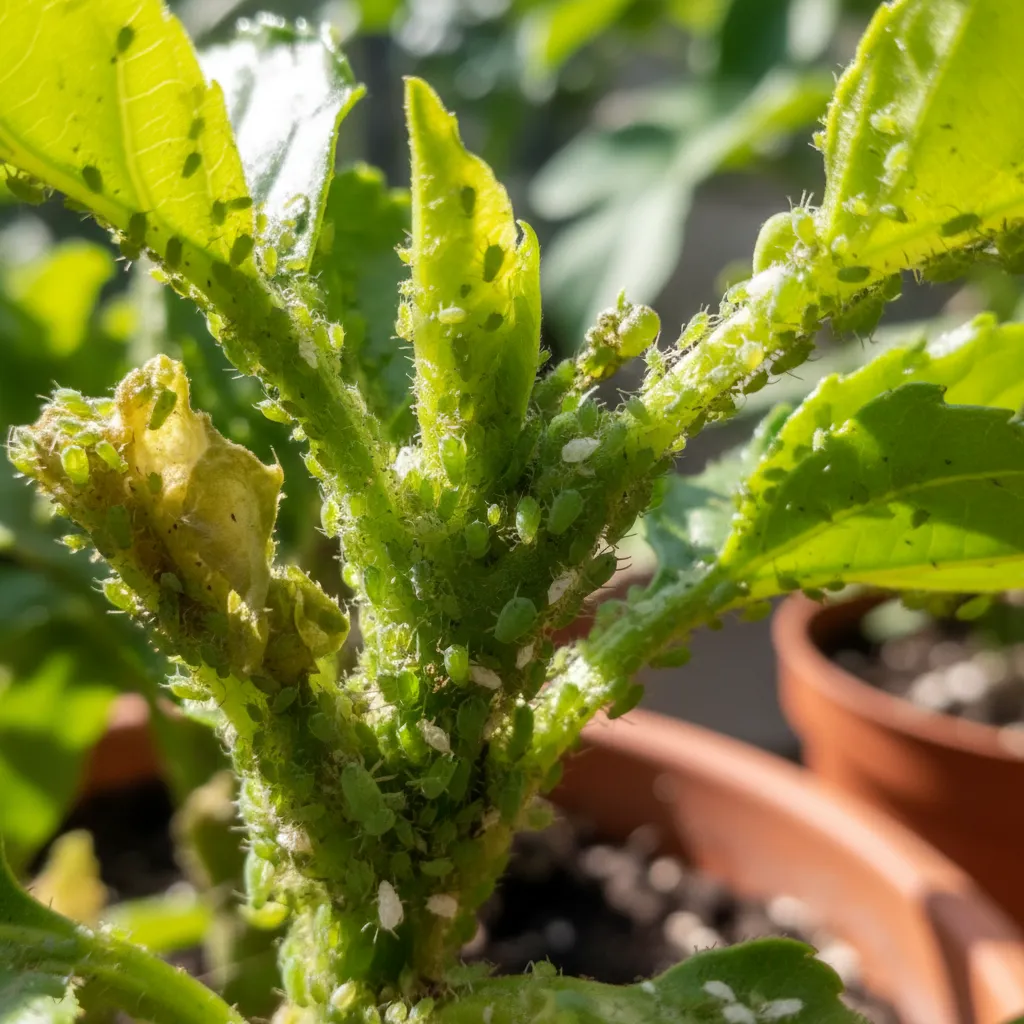
Ensure the plant is located in a shaded area of the garden to mimic its natural habitat. Water consistently to keep the soil moist, especially during dry spells, but avoid overwatering which can lead to root rot. Use organic mulch to retain moisture and maintain soil temperature. Pruning is unnecessary, but dead flowers may be removed to promote appearance. Regularly check for pests, such as aphids, and apply natural insecticides as needed.

Safety Profile

✓ Pregnancy and Lactation — Absolutely contraindicated during pregnancy due to its traditional emmenagogue and uterine stimulant properties, and caution is advised during lactation. ✓ Children — Not recommended for use in infants, children, or adolescents due to insufficient safety data and potential toxicity. ✓ Pre-existing Conditions — Individuals with kidney disease, heart conditions, or hormone-sensitive conditions should avoid use or consult a healthcare professional. ✓ Dosage — Adhere strictly to dosages prescribed by a qualified practitioner; self-dosing can lead to adverse effects. ✓ Wild Harvesting — Never wild-harvest Trillium grandiflorum, as many species are endangered or protected, and it's illegal in many areas. ✓ Professional Consultation — Always consult a qualified medical herbalist, physician, or other healthcare provider before using Trillium grandiflorum for medicinal purposes. ✓ Toxicity — Considered mildly toxic if ingested in large quantities; symptoms primarily involve gastrointestinal distress.

Side Effects

✓ Gastrointestinal Upset — Ingestion, particularly of raw plant material or excessive doses, can lead to nausea, vomiting, stomach cramps, and diarrhea. ✓ Uterine Contractions — The traditional use as a uterine stimulant means it can induce uterine contractions, posing a significant risk during pregnancy. ✓ Skin Irritation — Direct contact with the fresh plant sap or rhizome may cause mild skin irritation or dermatitis in sensitive individuals. ✓ Allergic Reactions — As with any plant, allergic reactions such as skin rashes, itching, or more severe systemic responses are possible, though rare. ✓ Renal Stress — Overuse or high doses, especially due to its diuretic action, could potentially stress kidney function, particularly in individuals with pre-existing renal conditions. ✓ Hypotension — Certain compounds might have a mild hypotensive effect; individuals on blood pressure medication should exercise caution. ✓ Drug Interactions — May interact with diuretic medications, hormonal therapies, or medications affecting blood clotting due to its various actions.

Cultural Significance

Trillium (Trillium grandiflorum) holds cultural significance that goes beyond identification in a plant list. Its connection with Eastern North America (Canada, United States) helps explain where people first learned to recognize, exchange, cultivate, and value the species. As part of the Melanthiaceae family, it also sits within a broader botanical tradition that people have long associated with useful, decorative, culinary, or medicinal plants. As a distinguished member of the Melanthiaceae family, this species is celebrated for its remarkable three-part symmetry, evident in its leaves, petals, and sepals. Its visual qualities helped it move into gardens, collections, courtyard planting, containers, or managed landscapes where appearance and symbolism matter alongside utility. It typically grows from a robust, subterranean rhizome, sending up a single, unbranched stem that generally reaches heights of 30 to 60 cm (1 to 2 feet). Today, Trillium continues to matter in garden culture because plants help shape seasonal routines, local identity, and the visual memory of a landscape. Careful naming, responsible cultivation, and respect for origin help preserve the story around Trillium without reducing it to myth, trend, or marketing language. My Wishlist Skip to content Your cart is empty Continue Shopping Your cart (0) Loading Estimated total $0.00 Shipping & taxes calculated at checkout.

Quick Facts

Categorygarden
FamilyMelanthiaceae
GenusTrillium
Species epithetgrandiflorum
Life cyclePerennial
Growth habitHerb
Mature height1-2 ft
Sun requirementPartial Shade
Water needMedium
Soil pH6.0-7.0
USDA zone4-8
Toxicity levelModerate
EdibilityNot edible
Conservation statusNE