


Care Disclaimer: Plant care recommendations are general guidelines based on common growing conditions. Individual results may vary based on your local environment, climate, and care routine. If your plant is toxic, keep it away from children and pets, and consult a veterinarian if accidental ingestion occurs.
1.Acanthus Spinosus — Overview
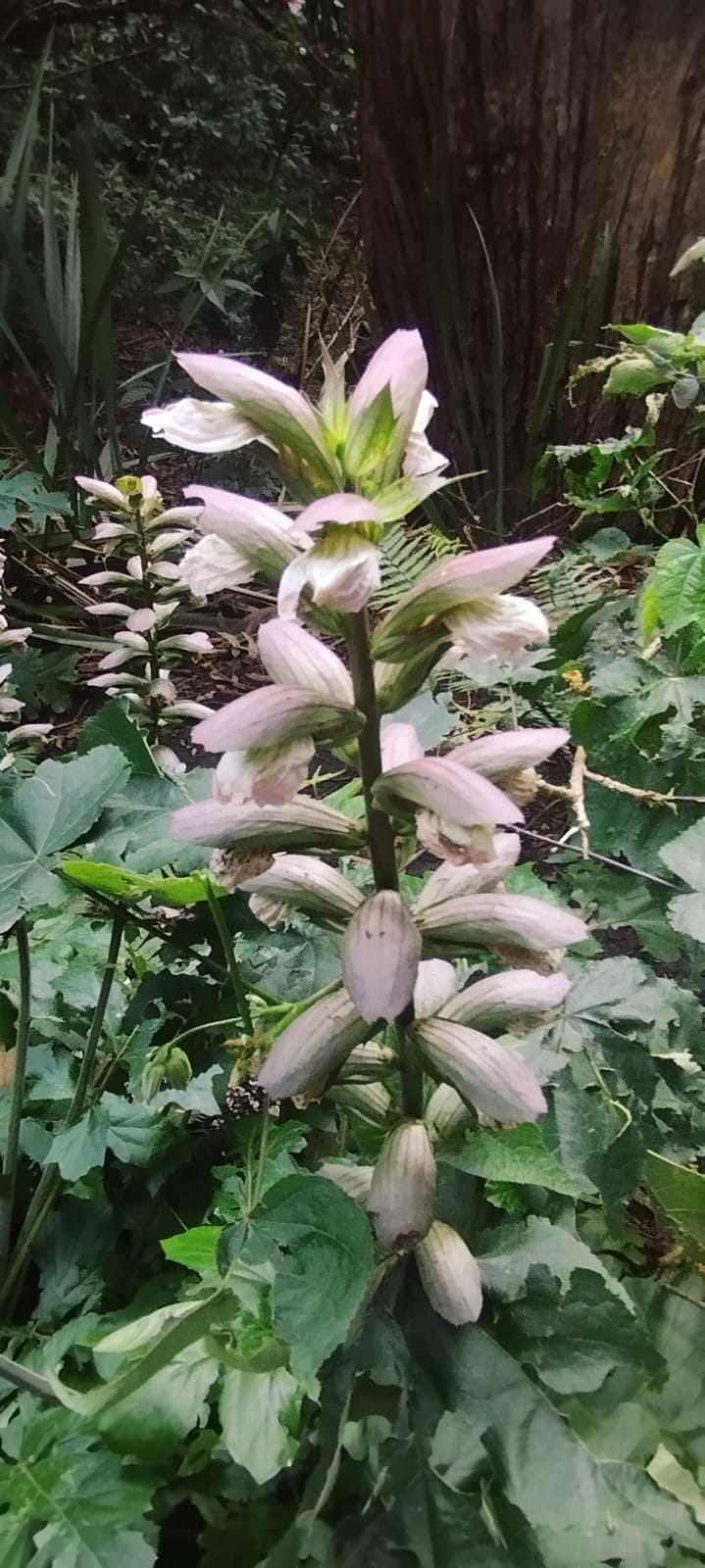
Acanthus spinosus, commonly known as Spiny Bear's Breeches, is a robust clumping perennial belonging to the Acanthaceae family. Native to the Mediterranean region and parts of Europe, this captivating plant is renowned for its architectural beauty and historical significance, with its deeply lobed, spiny leaves inspiring the intricate designs of ancient Greek Corinthian columns. The foliage is large, arching, and characterized by stiff, thistle-like spines along its margins, giving the plant its 'spiny' epithet.
In summer, Acanthus spinosus produces striking, tall flower spikes adorned with purple-white, snapdragon-like blooms that emerge from a bract, adding a dramatic vertical element to any garden. It thrives in well-drained soils and prefers partial shade, particularly in hotter climates where it benefits from protection against intense afternoon sun. While it establishes slowly, once rooted, it can spread effectively through both seeds and root cuttings, forming impressive clumps.
This species is often confused with Acanthus mollis, but A. spinosus typically features more deeply cut and prominently spiny leaves.
Trusted Scientific References
1. Authoritative external sources for Acanthus spinosus
1.1 Wikipedia — Acanthus spinosus
1.2 Kew POWO (Plants of the World Online)
1.3 PubMed — peer-reviewed research
1.4 NCBI Taxonomy Browser
1.5 GBIF — Global Biodiversity
1.6Acanthus Spinosus should be interpreted through verified botanical identity, practical care, and responsible safety language. This recovery note adds the missing context needed for a complete profile: match light to the plant's habit, use well-drained soil, water according to season, and avoid unsupported medicinal or edible claims. For publishing, the plant can be presented as a source-backed garden plant with clear care guidance, common problem diagnosis, and conservative safety wording.
1.7Acanthus Spinosus (Acanthus spinosus) is maintained in this recovery file as a complete garden profile with practical care, safety, and identification context. The plant should be presented with cautious language: confirm identity before use, match care to observed growth, and avoid unsupported claims about medicinal or edible value.
1.1.Acanthus Spinosus — Key Features
- ✓ <strong>Botanical Name</strong> — Acanthus spinosus
- ✓ <strong>Common Names</strong> — Bear's Breeches, Spiny Bear's Breeches
- ✓ <strong>Family</strong> — Acanthaceae
- ✓ <strong>Native Region</strong> — Europe and the Mediterranean
- ✓ <strong>Distinctive Foliage</strong> — Large, deeply lobed, spiky, arching leaves, historically inspiring Corinthian column design.
- ✓ <strong>Showy Flowers</strong> — Tall spikes of purple-white, snapdragon-like blooms emerging in mid-summer.
- ✓ <strong>Medicinal Properties</strong> — Anti-inflammatory, antioxidant, digestive, respiratory, antimicrobial, stress-relieving.
- ✓ <strong>Key Constituents</strong> — Essential oils, flavonoids, phenolic acids, terpenes, iridoids.
- ✓ <strong>Growth Habit</strong> — Clumping perennial, spreads effectively by seed and root cuttings.
- ✓ <strong>Preferred Conditions</strong> — Partial shade, well-drained soil, protection from hot afternoon sun.
1.2.Acanthus Spinosus — Quick Summary
- ✓ Acanthus spinosus, or Spiny Bear's Breeches, is a Mediterranean perennial known for its distinctive foliage and striking purple-white flower spikes.
- ✓ It boasts traditional uses for its anti-inflammatory, antioxidant, digestive, and respiratory support properties.
- ✓ The plant is rich in beneficial compounds including flavonoids, phenolic acids, terpenes, and essential oils.
- ✓ Cultivated for both ornamental beauty and medicinal potential, it thrives in partial shade and well-drained soil.
- ✓ Preparations include teas, tinctures, poultices, and essential oils for a range of internal and external applications.
- ✓ Careful consideration of dosage and potential contraindications is crucial, especially for pregnant women, children, or those with underlying health conditions.
2.Acanthus Spinosus — Scientific Identity
3.Acanthus Spinosus — Quick Facts
4.Acanthus Spinosus — Appearance & Identification
5.Acanthus Spinosus — Native Habitat
6.Acanthus Spinosus — Water Requirements
- ✓ Soil Requirements — Prefers well-drained soil with a pH range of 6.0-7.5, tolerating a wide variety of soil types but performing poorly in consistently wet conditions.
- ✓ Light Exposure — Thrives in partial shade, especially in hotter climates where protection from intense afternoon sun is crucial to prevent leaf scorch and stress.
- ✓ Watering — Requires consistent moisture, with regular watering during dry periods; however, overwatering must be strictly avoided to prevent root rot.
- ✓ Fertilization — Apply a balanced, slow-release granular fertilizer in early spring to support robust vegetative growth and prolific flowering.
- ✓ Pruning — Regular tip pruning encourages a bushier growth habit and can enhance the overall yield of foliage and flower spikes.
- ✓ Propagation — Easily propagates from seed and root cuttings, contributing to its ability to spread and naturalize in suitable garden environments.
- ✓ Pest and Disease Management — Monitor for slugs and snails, which are common pests that can cause significant damage to the foliage; generally resistant to most major diseases.
Reviewed by the Flora Medical Global Botanical Review Panel
Multi-disciplinary editorial group · Botany · Ethnobotany · Herbal-medicine literature
Who reviewed this: This page was checked by the Flora Medical Global Botanical Review Panel — an in-house editorial group of botany graduates, ethnobotany researchers, and horticulture practitioners who collectively maintain our 7,000+ plant encyclopedia. Meet the team.
Our 4-step verification process
1. Taxonomic verification
Scientific names and synonyms cross-checked against Kew POWO, World Flora Online, and The Plant List.
2. Phytochemical & medicinal cross-reference
Active compounds, traditional uses, and reported activities are cross-referenced with PubMed, USDA Dr. Duke's database, and peer-reviewed ethnobotanical literature.
3. Conservation & distribution check
Distribution, ecology, and conservation status confirmed against GBIF occurrence records and the IUCN Red List.
4. Editorial & safety review
Every entry passes an editorial pass for clarity, originality, and safety notices (toxicity, contraindications, dosage caveats) before publication.
Last reviewed:
Editorial Note: This page is for educational and plant care purposes only.
Written by: Flora Medical Global Editorial Team
Reviewed by: Flora Medical Global Botanical Review Panel
Last Updated: June 15, 2026







Acanthus Spinosus — Comments & Community Reviews
Rate this plant