


Care Disclaimer: Plant care recommendations are general guidelines based on common growing conditions. Individual results may vary based on your local environment, climate, and care routine. If your plant is toxic, keep it away from children and pets, and consult a veterinarian if accidental ingestion occurs.
1.Acer Ginnala — Overview
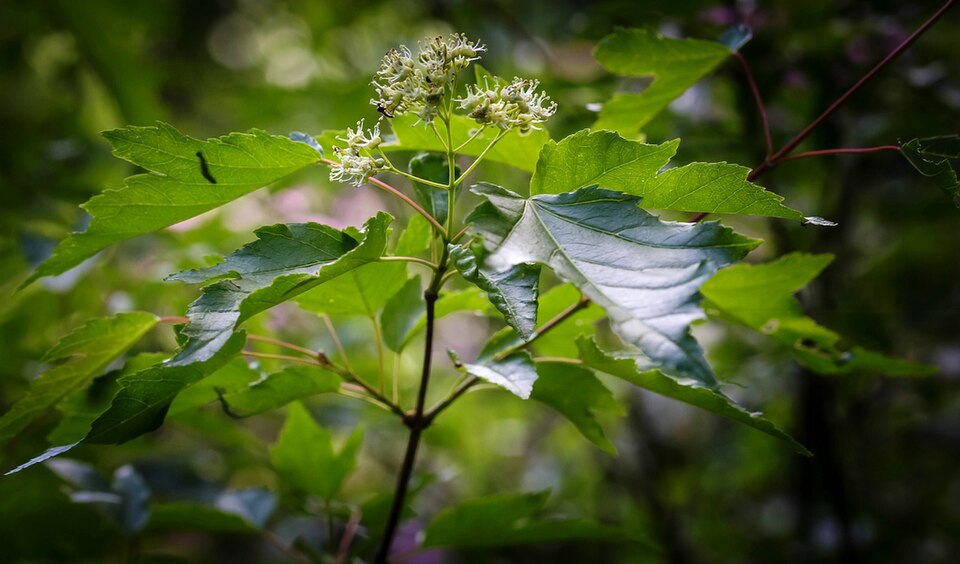
Acer ginnala, commonly known as Amur Maple, is a resilient and ornamental deciduous tree or large shrub native to East Asia, specifically found across China, Japan, Manchuria, and Korea. It typically reaches heights of up to 10 meters (32 feet) and spreads about 8 meters (26 feet), characterized by its multi-stemmed growth habit and vibrant fall foliage that ranges from bright red to orange. The leaves are typically three-lobed, glossy green in summer, turning brilliant hues in autumn.
Small, fragrant, yellowish-white flowers appear in May, followed by distinctive winged seeds known as samaras, which ripen from September to October. Amur Maple thrives in a variety of habitats, commonly found along streamsides, in swampy areas, and within forests at elevations between 100 and 800 meters. While prized for its aesthetic appeal and adaptability in temperate landscapes (USDA hardiness zones 3-8), it is noted for its potential to become weedy or invasive in certain regions, such as parts of Connecticut.
Taxonomically, it belongs to the genus Acer, now often classified under the family Sapindaceae, though historically placed in Aceraceae. Its scientific synonym is A. tataricum ginnala, highlighting its close relationship with the Tartarian Maple.
Trusted Scientific References
1. Authoritative external sources for Acer ginnala
1.1 Wikipedia — Acer ginnala
1.2 Kew POWO (Plants of the World Online)
1.3 PubMed — peer-reviewed research
1.4 NCBI Taxonomy Browser
1.5 GBIF — Global Biodiversity
1.6Acer Ginnala should be interpreted through verified botanical identity, practical care, and responsible safety language. This recovery note adds the missing context needed for a complete profile: match light to the plant's habit, use well-drained soil, water according to season, and avoid unsupported medicinal or edible claims. For publishing, the plant can be presented as a source-backed garden plant with clear care guidance, common problem diagnosis, and conservative safety wording.
1.1.Acer Ginnala — Key Features
- ✓ <strong>Botanical Name</strong> — Acer ginnala Maxim.
- ✓ <strong>Common Name</strong> — Amur Maple.
- ✓ <strong>Family</strong> — Sapindaceae (formerly Aceraceae).
- ✓ <strong>Native Range</strong> — East Asia (China, Japan, Korea, Manchuria).
- ✓ <strong>Growth Habit</strong> — Deciduous tree or large shrub, reaching up to 10 meters.
- ✓ <strong>Key Constituents</strong> — Flavonoids, tannins, terpenoids, essential oils, phenolic acids.
- ✓ <strong>Traditional Uses</strong> — Digestive aid, skin health, respiratory support, anti-inflammatory.
- ✓ <strong>Ornamental Value</strong> — Highly valued for brilliant red to orange autumn foliage.
- ✓ <strong>Soil Preference</strong> — Adaptable to various soils, preferring moist, well-drained, slightly acidic conditions.
- ✓ <strong>Hardiness</strong> — USDA Zones 3-8, demonstrating excellent cold tolerance.
1.2.Acer Ginnala — Quick Summary
- ✓ Amur Maple (Acer ginnala) is a resilient deciduous tree native to East Asia, prized for its ornamental value.
- ✓ Traditionally recognized for its potential anti-inflammatory, antioxidant, and antimicrobial properties.
- ✓ Rich in beneficial phytochemicals including flavonoids, tannins, terpenoids, and essential oils.
- ✓ Used in traditional applications for digestive support, promoting skin health, and aiding respiratory function.
- ✓ Requires specific cultivation conditions but is highly adaptable and cold-hardy.
- ✓ Prudent use is advised, with attention to dosage and potential interactions, especially for vulnerable populations.
2.Acer Ginnala — Scientific Identity
3.Acer Ginnala — Quick Facts
4.Acer Ginnala — Appearance & Identification
5.Acer Ginnala — Native Habitat
6.Acer Ginnala — Water Requirements
- ✓ Soil Preference — Acer ginnala thrives in good moist, well-drained soil, ideally on the slightly acidic side, but demonstrates remarkable adaptability to various soil types, including heavy clay.
- ✓ Light Requirements — Prefers a sunny position for optimal growth and the most vibrant fall foliage, though it tolerates partial shade conditions.
- ✓ Watering — Requires consistent moisture, especially during prolonged dry periods, to establish a strong root system and maintain healthy growth.
- ✓ pH Tolerance — While generally not fussy about soil pH, chlorosis (yellowing leaves) can sometimes occur in highly alkaline soils due to iron deficiency.
- ✓ Hardiness Zone — It is highly cold-hardy, suitable for cultivation in USDA hardiness zones 3-8 and UK zone 8.
- ✓ Pruning — Benefits from occasional pruning to maintain its desired shape, remove dead or crossing branches, and encourage denser growth, typically performed in late winter or early spring.
- ✓ Propagation — Can be propagated from seed, which often requires stratification for successful germination, or via layering and semi-hardwood cuttings for genetic consistency.
Reviewed by the Flora Medical Global Botanical Review Panel
Multi-disciplinary editorial group · Botany · Ethnobotany · Herbal-medicine literature
Who reviewed this: This page was checked by the Flora Medical Global Botanical Review Panel — an in-house editorial group of botany graduates, ethnobotany researchers, and horticulture practitioners who collectively maintain our 7,000+ plant encyclopedia. Meet the team.
Our 4-step verification process
1. Taxonomic verification
Scientific names and synonyms cross-checked against Kew POWO, World Flora Online, and The Plant List.
2. Phytochemical & medicinal cross-reference
Active compounds, traditional uses, and reported activities are cross-referenced with PubMed, USDA Dr. Duke's database, and peer-reviewed ethnobotanical literature.
3. Conservation & distribution check
Distribution, ecology, and conservation status confirmed against GBIF occurrence records and the IUCN Red List.
4. Editorial & safety review
Every entry passes an editorial pass for clarity, originality, and safety notices (toxicity, contraindications, dosage caveats) before publication.
Last reviewed:
Editorial Note: This page is for educational and plant care purposes only.
Written by: Flora Medical Global Editorial Team
Reviewed by: Flora Medical Global Botanical Review Panel
Last Updated: June 15, 2026







Acer Ginnala — Comments & Community Reviews
Rate this plant