

Care Disclaimer: Plant care recommendations are general guidelines based on common growing conditions. Individual results may vary based on your local environment, climate, and care routine. If your plant is toxic, keep it away from children and pets, and consult a veterinarian if accidental ingestion occurs.
1.Acer Negundo — Overview
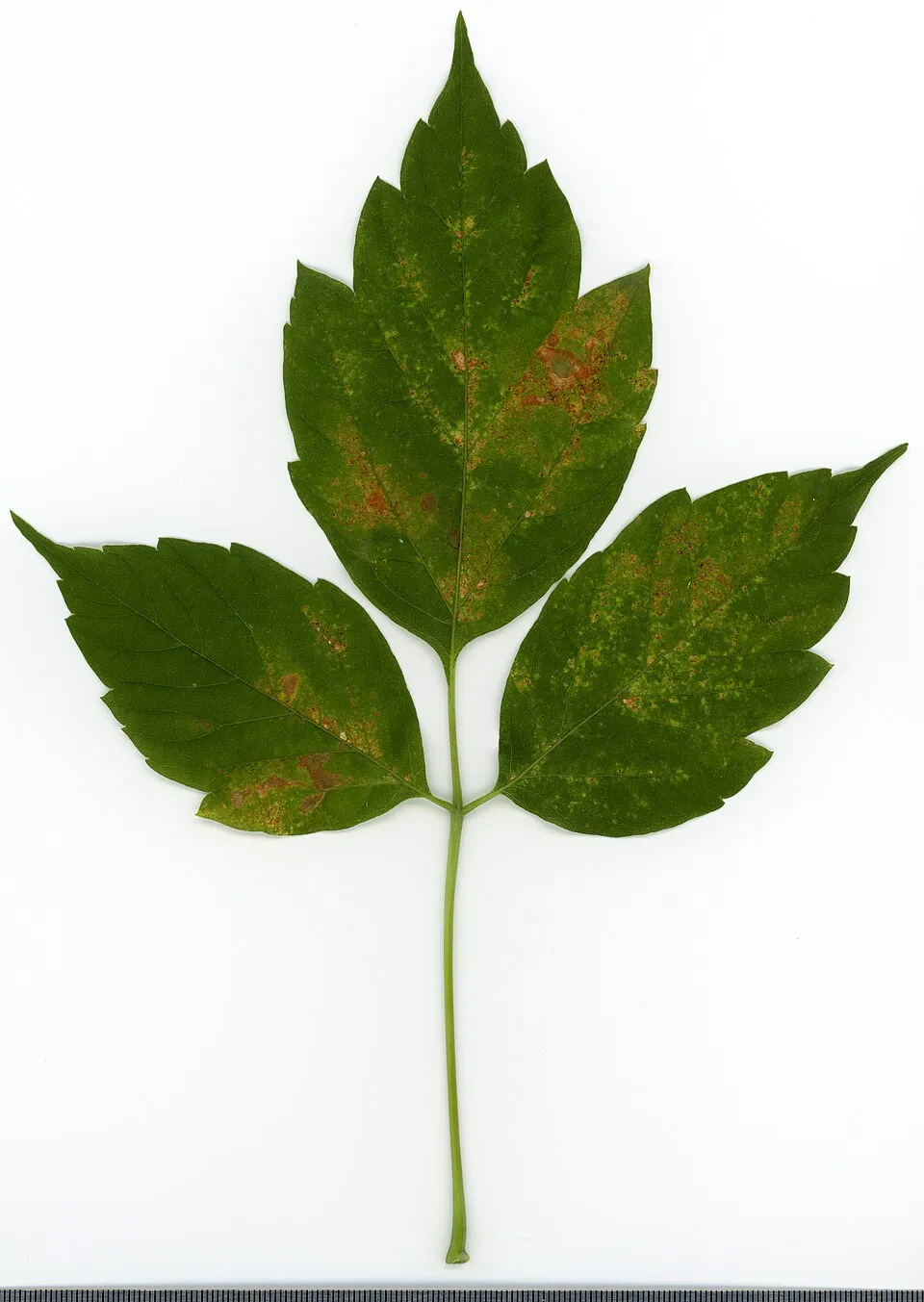
Acer negundo, commonly known as Box Elder or Ashleaf Maple, is a fast-growing, deciduous tree belonging to the family Sapindaceae (formerly Aceraceae). Native to a vast range across North America, from Nova Scotia to Florida and west to California and Manitoba, it exhibits remarkable adaptability. This species typically grows to an average height of 10-25 meters, occasionally reaching up to 30 meters, with a broad, irregular crown. Its distinctive feature, unlike most other maples, is its compound leaves, which consist of three to five (sometimes up to nine) leaflets, resembling those of ash trees, hence the name Ashleaf Maple.
The leaflets are typically light green, ovate to lanceolate, with coarsely toothed margins. The bark is pale gray to light brown, becoming deeply furrowed with age. Acer negundo thrives in a variety of soil types, showing a preference for moist, lowland sites along rivers, streams, and seasonally flooded flats, but can also tolerate heavy clay or sandy soils. It is a dioecious species, meaning individual trees bear either male or female flowers, which appear in drooping clusters in early spring before the leaves emerge.
The fruits are paired samaras, characteristic of maples, ripening from September to October and persisting on the tree through winter. Despite its adaptability, it is often considered an undesirable urban tree due to its brittle wood and susceptibility to pests.
Trusted Scientific References
1. Authoritative external sources for Acer negundo
1.1 Wikipedia — Acer negundo
1.2 Kew POWO (Plants of the World Online)
1.3 PubMed — peer-reviewed research
1.4 NCBI Taxonomy Browser
1.5 GBIF — Global Biodiversity
1.6Acer Negundo should be interpreted through verified botanical identity, practical care, and responsible safety language. This recovery note adds the missing context needed for a complete profile: match light to the plant's habit, use well-drained soil, water according to season, and avoid unsupported medicinal or edible claims. For publishing, the plant can be presented as a source-backed garden plant with clear care guidance, common problem diagnosis, and conservative safety wording.
1.1.Acer Negundo — Key Features
- ✓ <strong>Deciduous tree native</strong> — Deciduous tree native to North America, widely distributed.
- ✓ <strong>Distinctive compound leaves, typically with 3</strong> — 5 leaflets, resembling ash leaves.
- ✓ <strong>Fast growth rate,</strong> — Fast growth rate, reaching heights of up to 21 meters.
- ✓ <strong>Dioecious species, requiring</strong> — Dioecious species, requiring separate male and female plants for seed production.
- ✓ <strong>Highly adaptable to</strong> — Highly adaptable to a wide range of soil types, including heavy clay and sandy conditions.
- ✓ <strong>Inner bark traditionally</strong> — Inner bark traditionally utilized as an emetic.
- ✓ <strong>Produces sweet sap</strong> — Produces sweet sap that can be tapped for syrup, though often with lower sugar content than Sugar Maple.
- ✓ <strong>Young vegetative parts,</strong> — Young vegetative parts, including leaves, buds, and flowers, are edible.
- ✓ <strong>Tolerant of urban</strong> — Tolerant of urban conditions, strong winds, and adverse sites.
- ✓ <strong>Wood is generally</strong> — Wood is generally considered weak and brittle, making it less desirable for some uses.
1.2.Acer Negundo — Quick Summary
- ✓ Common Box Elder (Acer negundo) is a fast-growing North American maple.
- ✓ Traditionally, its inner bark has been used as an emetic to induce vomiting.
- ✓ Sap is edible and can be processed into syrup, similar to other maple species.
- ✓ Young leaves, buds, flowers, and fruits are also considered edible in early spring.
- ✓ Known for its adaptability to various soil conditions and climates.
- ✓ Medicinal rating is generally low, with primary traditional use focused on its emetic property.
2.Acer Negundo — Scientific Identity
3.Acer Negundo — Quick Facts
4.Acer Negundo — Appearance & Identification
5.Acer Negundo — Native Habitat
6.Acer Negundo — Water Requirements
- ✓ Soil Preference — Thrives in rich, moist, well-drained soils but is highly adaptable to heavy clay and sandy soils.
- ✓ Light Requirements — Prefers full sun to semi-shade, performing best with adequate light exposure for sap production.
- ✓ Hardiness — Hardy to USDA zones 2-8 (UK zone 2), tolerating temperatures down to approximately -18°C.
- ✓ Water Needs — Prefers moist conditions, often found along waterways, but can tolerate some drought once established.
- ✓ Pruning — Very tolerant of pruning and can regenerate from old wood, making it suitable for coppicing or pollarding.
- ✓ Propagation — Primarily by seed, which ripens in autumn; requires both male and female plants for seed production due to its dioecious nature.
- ✓ Specific Considerations — Can become chlorotic in very alkaline soils; generally resistant to honey fungus.
Reviewed by the Flora Medical Global Botanical Review Panel
Multi-disciplinary editorial group · Botany · Ethnobotany · Herbal-medicine literature
Who reviewed this: This page was checked by the Flora Medical Global Botanical Review Panel — an in-house editorial group of botany graduates, ethnobotany researchers, and horticulture practitioners who collectively maintain our 7,000+ plant encyclopedia. Meet the team.
Our 4-step verification process
1. Taxonomic verification
Scientific names and synonyms cross-checked against Kew POWO, World Flora Online, and The Plant List.
2. Phytochemical & medicinal cross-reference
Active compounds, traditional uses, and reported activities are cross-referenced with PubMed, USDA Dr. Duke's database, and peer-reviewed ethnobotanical literature.
3. Conservation & distribution check
Distribution, ecology, and conservation status confirmed against GBIF occurrence records and the IUCN Red List.
4. Editorial & safety review
Every entry passes an editorial pass for clarity, originality, and safety notices (toxicity, contraindications, dosage caveats) before publication.
Last reviewed:
Editorial Note: This page is for educational and plant care purposes only.
Written by: Flora Medical Global Editorial Team
Reviewed by: Flora Medical Global Botanical Review Panel
Last Updated: June 15, 2026







Acer Negundo — Comments & Community Reviews
Rate this plant