
Care Disclaimer: Plant care recommendations are general guidelines based on common growing conditions. Individual results may vary based on your local environment, climate, and care routine. If your plant is toxic, keep it away from children and pets, and consult a veterinarian if accidental ingestion occurs.
1.Acer Platanoides — Overview
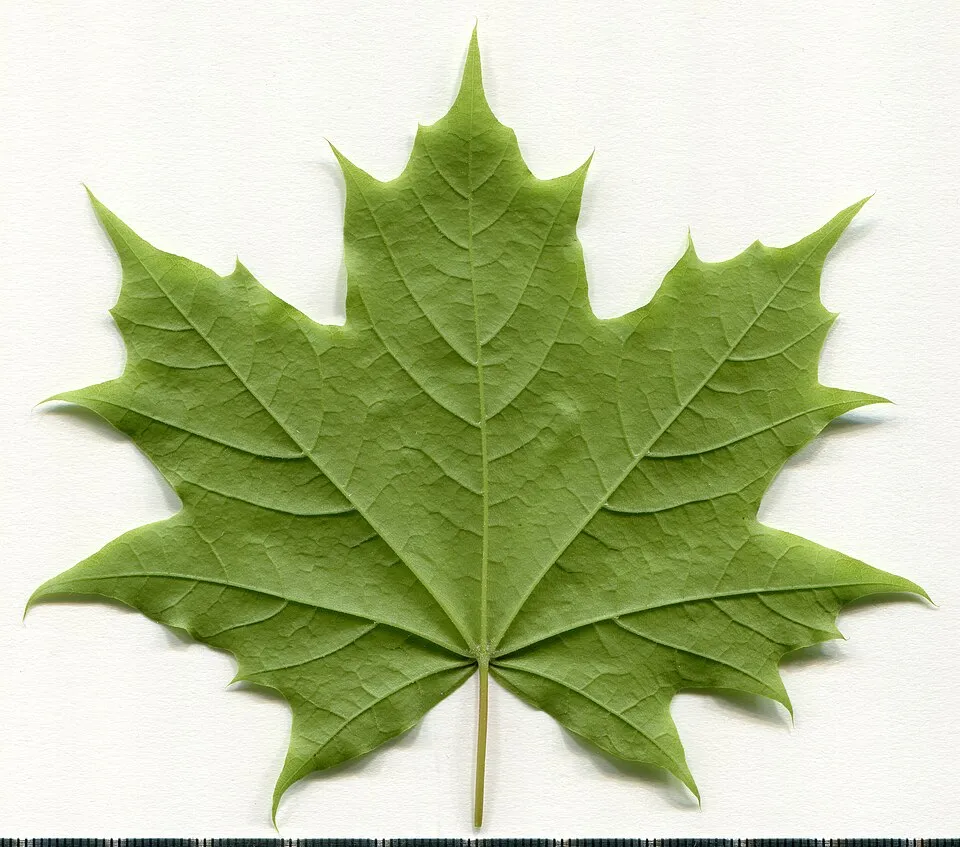
Acer platanoides, commonly known as the Norway Maple, is a robust, broadleaf deciduous tree belonging to the family Sapindaceae (formerly Aceraceae). Native to continental Europe, it typically reaches heights of 35 to 50 feet, occasionally up to 75 feet, forming a dense, broad crown with stout stems. Its distinctive leaves are opposite, simple, and palmately lobed, usually with five pointed lobes, measuring 10 to 18 cm across. The foliage is glossy dark green on both surfaces, often exhibiting hairs in the axils of veins on the underside, and notably, the petioles exude a milky sap when detached.
In early spring, before the leaves fully emerge, Norway Maple produces showy clusters of yellow or greenish-yellow flowers, each approximately 8 mm in diameter. These are followed by large, glabrous samaras (winged fruits) with widely spreading wings. While often admired for its excellent yellow fall foliage, some cultivars display striking orange-red or maroon hues. This species is remarkably adaptable, thriving in a wide range of soil conditions—from sand to clay, and acidic to calcareous—and tolerates hot, dry environments better than many other maples.
It also exhibits high tolerance to urban pollution, making it a popular choice for city landscapes. However, it is recognized as an invasive species in many parts of North America, particularly the northeastern U.S., where its prolific seed production can outcompete and displace native flora.
Trusted Scientific References
1. Authoritative external sources for Acer platanoides
1.1 Wikipedia — Acer platanoides
1.2 Kew POWO (Plants of the World Online)
1.3 PubMed — peer-reviewed research
1.4 NCBI Taxonomy Browser
1.5 GBIF — Global Biodiversity
1.6Acer Platanoides should be interpreted through verified botanical identity, practical care, and responsible safety language. This recovery note adds the missing context needed for a complete profile: match light to the plant's habit, use well-drained soil, water according to season, and avoid unsupported medicinal or edible claims. For publishing, the plant can be presented as a source-backed garden plant with clear care guidance, common problem diagnosis, and conservative safety wording.
1.1.Acer Platanoides — Key Features
- ✓ <strong>Deciduous Broadleaf Tree</strong> — Deciduous Broadleaf Tree
- ✓ <strong>Native to Continental</strong> — Native to Continental Europe
- ✓ <strong>Distinctive 5</strong> — Lobed Leaves with Milky Sap
- ✓ <strong>Showy Yellow</strong> — Green Spring Flowers
- ✓ <strong>Abundant Samara Fruit</strong> — Abundant Samara Fruit Production
- ✓ <strong>Excellent Yellow Fall</strong> — Excellent Yellow Fall Foliage
- ✓ <strong>High Tolerance to</strong> — High Tolerance to Urban Pollution
- ✓ <strong>Adaptable to Diverse</strong> — Adaptable to Diverse Soil Types
- ✓ <strong>Notable Invasive Species</strong> — Notable Invasive Species Status in North America
- ✓ <strong>Rich in Antioxidant</strong> — Rich in Antioxidant Phytochemicals
1.2.Acer Platanoides — Quick Summary
- ✓ Norway Maple (Acer platanoides) is a European deciduous tree known for its dense canopy and vibrant fall colors.
- ✓ Traditionally recognized for its anti-inflammatory, antimicrobial, and digestive benefits, particularly for skin and gut health.
- ✓ Rich in therapeutic compounds such as flavonoids, tannins, and phenolic acids, contributing to its antioxidant and astringent properties.
- ✓ Utilized in herbalism through infusions, decoctions, tinctures, and topical applications for a range of ailments.
- ✓ Highly adaptable and urban-tolerant, yet classified as an invasive species in several North American regions due to prolific seeding.
- ✓ Cautions include potential gastrointestinal upset, allergic reactions, and possible drug interactions, necessitating professional consultation.
2.Acer Platanoides — Scientific Identity
3.Acer Platanoides — Quick Facts
4.Acer Platanoides — Appearance & Identification
5.Acer Platanoides — Native Habitat
6.Acer Platanoides — Water Requirements
- ✓ Site Selection — Choose a location with full sun exposure for optimal growth and to encourage vibrant fall foliage coloration.
- ✓ Soil Requirements — Acer platanoides is highly adaptable to a broad spectrum of soil types, including sandy, clay, acidic, or calcareous, provided they are well-drained.
- ✓ Planting — This species is easy to transplant; establishment is best achieved when planted in spring or fall, ensuring the root ball is consistently moist.
- ✓ Watering — Young trees require regular and consistent watering during their establishment phase; mature trees are drought-tolerant but benefit from supplemental irrigation during extended dry periods.
- ✓ Fertilization — Generally, fertilization is not essential in fertile soils, but a balanced, slow-release fertilizer can be applied annually in poorer soil conditions to support vigorous growth.
- ✓ Pruning — Prune in late winter or early spring before the heavy sap flow begins, focusing on removing dead, damaged, or crossing branches to maintain a strong, healthy structure.
- ✓ Pest and Disease Management — While generally resilient, monitor for common maple pests such as aphids or scale insects, and be vigilant for diseases like verticillium wilt, especially on stressed specimens.
- ✓ Root Management — Be mindful of its shallow, aggressive root system, which can compete with surrounding turf or potentially lift paved surfaces; plan planting distances accordingly.
Reviewed by the Flora Medical Global Botanical Review Panel
Multi-disciplinary editorial group · Botany · Ethnobotany · Herbal-medicine literature
Who reviewed this: This page was checked by the Flora Medical Global Botanical Review Panel — an in-house editorial group of botany graduates, ethnobotany researchers, and horticulture practitioners who collectively maintain our 7,000+ plant encyclopedia. Meet the team.
Our 4-step verification process
1. Taxonomic verification
Scientific names and synonyms cross-checked against Kew POWO, World Flora Online, and The Plant List.
2. Phytochemical & medicinal cross-reference
Active compounds, traditional uses, and reported activities are cross-referenced with PubMed, USDA Dr. Duke's database, and peer-reviewed ethnobotanical literature.
3. Conservation & distribution check
Distribution, ecology, and conservation status confirmed against GBIF occurrence records and the IUCN Red List.
4. Editorial & safety review
Every entry passes an editorial pass for clarity, originality, and safety notices (toxicity, contraindications, dosage caveats) before publication.
Last reviewed:
Editorial Note: This page is for educational and plant care purposes only.
Written by: Flora Medical Global Editorial Team
Reviewed by: Flora Medical Global Botanical Review Panel
Last Updated: June 15, 2026







Acer Platanoides — Comments & Community Reviews
Rate this plant