

Care Disclaimer: Plant care recommendations are general guidelines based on common growing conditions. Individual results may vary based on your local environment, climate, and care routine. If your plant is toxic, keep it away from children and pets, and consult a veterinarian if accidental ingestion occurs.
1.Acer Rubrum — Overview
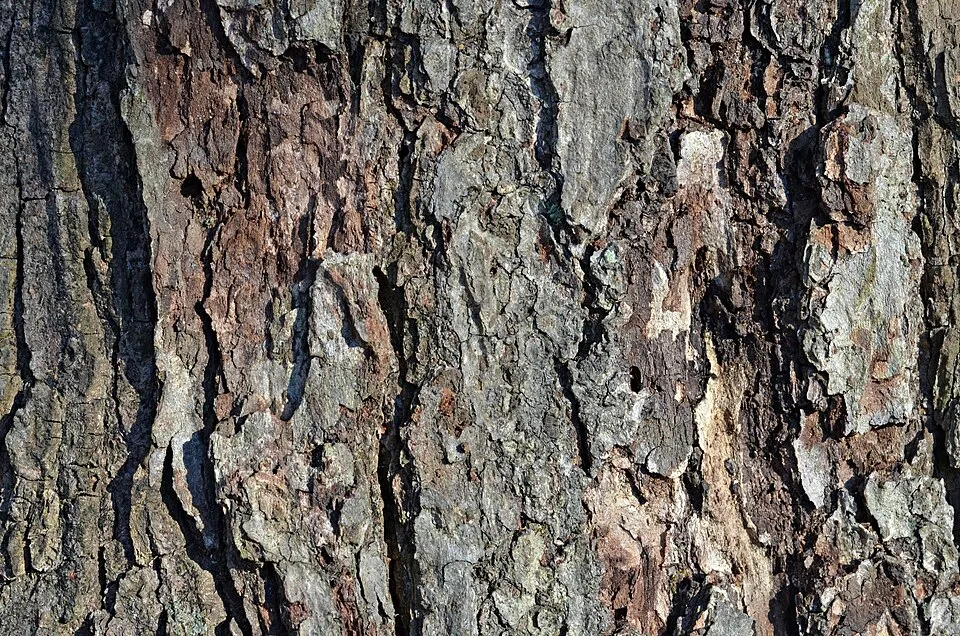
Acer rubrum, commonly known as Red Maple, Scarlet Maple, or Swamp Maple, is one of the most abundant and widely distributed native trees across Eastern North America. Its range extends from southern Newfoundland and Quebec, west to Minnesota and Texas, and south to Florida, thriving in nearly all regions east of the 95th meridian. This deciduous tree typically reaches heights of 20-30 meters, characterized by its distinctive broadly ovate, dark green leaves that can reach up to 10 cm in length, arranged oppositely on the stem, and famously turning brilliant red in autumn.
The tree is notable for being one of the first to flower in spring, often weeks before leaf emergence, producing small, slender-stalked, red or rarely yellowish flowers from March to May. Its fruit, a double samara, ripens quickly from April to June and is efficiently dispersed by wind. Red Maple exhibits remarkable ecological amplitude, capable of growing on an extraordinary range of soil types, textures, moisture levels, and pH, from dry upland ridges and rocky slopes to saturated peat bogs and swamps.
It is classified as a subclimax species, highly shade tolerant, and a prolific sprouter, often increasing in prominence following forest disturbances. Belonging to the family Sapindaceae, specifically the Aceraceae or Maple family, Acer rubrum plays a significant role in forest ecosystems and is highly valued as an ornamental shade tree.
Trusted Scientific References
1. Authoritative external sources for Acer rubrum
1.1 Wikipedia — Acer rubrum
1.2 Kew POWO (Plants of the World Online)
1.3 PubMed — peer-reviewed research
1.4 NCBI Taxonomy Browser
1.5 GBIF — Global Biodiversity
1.6Acer Rubrum should be interpreted through verified botanical identity, practical care, and responsible safety language. This recovery note adds the missing context needed for a complete profile: match light to the plant's habit, use well-drained soil, water according to season, and avoid unsupported medicinal or edible claims. For publishing, the plant can be presented as a source-backed garden plant with clear care guidance, common problem diagnosis, and conservative safety wording.
1.1.Acer Rubrum — Key Features
- ✓ <strong>Native to Eastern</strong> — Native to Eastern North America, boasting one of the broadest natural distributions among tree species.
- ✓ <strong>Characterized by brilliant</strong> — Characterized by brilliant red autumn foliage, and distinctive red flowers and samaras in early spring.
- ✓ <strong>Exhibits exceptional ecological</strong> — Exhibits exceptional ecological amplitude, thriving across a wide range of soil types and moisture conditions.
- ✓ <strong>Flowers early in</strong> — Flowers early in spring, typically before leaf emergence, displaying polygamo-dioecious reproductive characteristics.
- ✓ <strong>Produces abundant, winged</strong> — Produces abundant, winged seeds (samaras) that ripen and disperse efficiently from late spring to early summer.
- ✓ <strong>Known for its</strong> — Known for its shade tolerance, allowing for understory survival and rapid growth response to canopy disturbances.
- ✓ <strong>A significant source</strong> — A significant source of unique aceritannins, a class of gallotannins recognized for strong antioxidant activity.
- ✓ <strong>Highly valued as</strong> — Highly valued as an ornamental landscape tree due to its aesthetic appeal, rapid growth, and adaptability.
- ✓ <strong>Important subclimax species,</strong> — Important subclimax species, playing a crucial role in forest succession and enhancing regional biodiversity.
- ✓ <strong>Root system demonstrates</strong> — Root system demonstrates remarkable adaptability, developing differently in wet versus dry soil conditions to ensure survival.
1.2.Acer Rubrum — Quick Summary
- ✓ Acer rubrum, or Red Maple, is a widespread and ecologically vital tree across Eastern North America.
- ✓ Valued for its unique phytochemistry, including potent tannins and aceritannins, offering significant antioxidant benefits.
- ✓ Traditionally utilized for its astringent and anti-inflammatory properties, particularly for skin and digestive health.
- ✓ Highly adaptable to diverse environments, from wet swamps to dry uplands, making it a resilient species.
- ✓ Important safety note: Red Maple leaves are toxic to horses, and human use requires professional guidance due to limited clinical data.
2.Acer Rubrum — Scientific Identity
3.Acer Rubrum — Quick Facts
4.Acer Rubrum — Appearance & Identification
5.Acer Rubrum — Native Habitat
6.Acer Rubrum — Water Requirements
- ✓ Site Selection — Red Maple thrives in full sun to partial shade; while adaptable, it performs best on moderately well-drained, moist sites for optimal growth and aesthetic form.
- ✓ Soil Requirements — It tolerates a wide range of soil types, from sandy to clay, and prefers slightly acidic to neutral pH (5.0-7.0) with good organic matter content.
- ✓ Watering — Young trees require consistent moisture, especially during dry spells; deep, regular watering promotes establishment. Mature trees are more resilient to varying moisture.
- ✓ Fertilization — Apply a balanced, slow-release granular fertilizer in early spring, particularly for newly planted or struggling trees, to support vigorous development.
- ✓ Pruning — Prune during late winter dormancy to remove dead, damaged, or crossing branches; avoid pruning during active sap flow in early spring to prevent excessive bleeding.
- ✓ Propagation — Primarily propagated by seed, which typically germinates readily without pre-treatment after spring dispersal. Cuttings and grafting are also used for specific cultivars.
- ✓ Pest and Disease Management — Generally robust, but monitor for common issues such as aphids, scale insects, or fungal diseases like tar spot, ensuring good air circulation and appropriate watering.
- ✓ Mulching — A 2-4 inch layer of organic mulch around the base helps conserve soil moisture, regulate soil temperature, suppress weeds, and enrich soil as it decomposes.
Reviewed by the Flora Medical Global Botanical Review Panel
Multi-disciplinary editorial group · Botany · Ethnobotany · Herbal-medicine literature
Who reviewed this: This page was checked by the Flora Medical Global Botanical Review Panel — an in-house editorial group of botany graduates, ethnobotany researchers, and horticulture practitioners who collectively maintain our 7,000+ plant encyclopedia. Meet the team.
Our 4-step verification process
1. Taxonomic verification
Scientific names and synonyms cross-checked against Kew POWO, World Flora Online, and The Plant List.
2. Phytochemical & medicinal cross-reference
Active compounds, traditional uses, and reported activities are cross-referenced with PubMed, USDA Dr. Duke's database, and peer-reviewed ethnobotanical literature.
3. Conservation & distribution check
Distribution, ecology, and conservation status confirmed against GBIF occurrence records and the IUCN Red List.
4. Editorial & safety review
Every entry passes an editorial pass for clarity, originality, and safety notices (toxicity, contraindications, dosage caveats) before publication.
Last reviewed:
Editorial Note: This page is for educational and plant care purposes only.
Written by: Flora Medical Global Editorial Team
Reviewed by: Flora Medical Global Botanical Review Panel
Last Updated: June 15, 2026







Acer Rubrum — Comments & Community Reviews
Rate this plant