
Care Disclaimer: Plant care recommendations are general guidelines based on common growing conditions. Individual results may vary based on your local environment, climate, and care routine. If your plant is toxic, keep it away from children and pets, and consult a veterinarian if accidental ingestion occurs.
1.Antirrhinum Majus — Overview
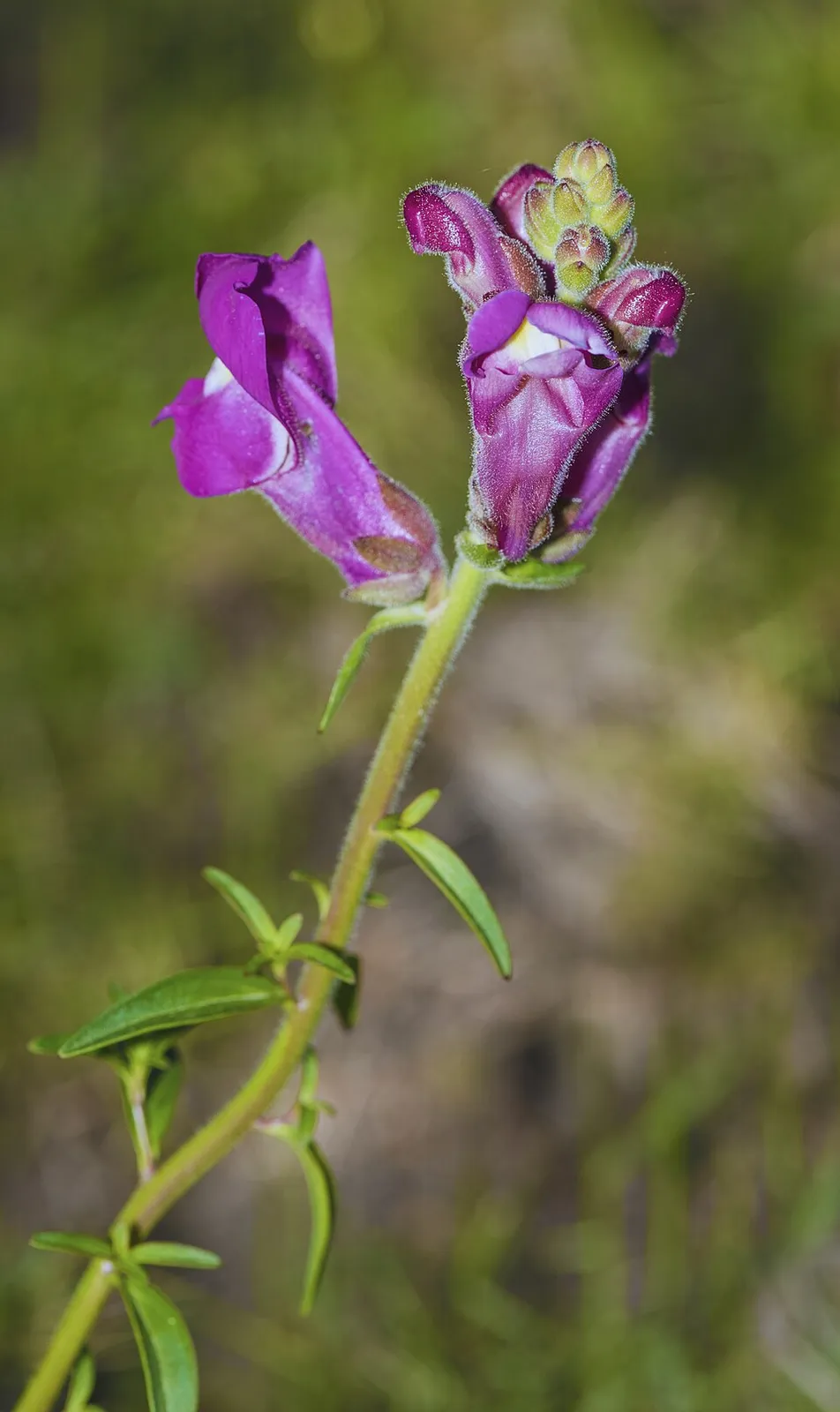
Antirrhinum majus, commonly known as Snapdragon, is a captivating herbaceous perennial often cultivated as an annual, belonging to the Plantaginaceae family, though historically placed in Scrophulariaceae. Native to rocky areas of southern Europe and northern Africa, this plant is celebrated for its distinctive, bilaterally symmetrical flowers that resemble a dragon's mouth when gently squeezed. The flowers, borne on tall spikes, exhibit an astonishing array of colors including white, yellow, pink, red, orange, and purple, often with intricate bicolors.
Its lance-shaped leaves are typically green, sometimes with a reddish tinge, and arranged spirally along erect, branching stems that can reach heights of 60-120 cm depending on the cultivar. Snapdragon thrives in full sun and well-drained, fertile soil, adapting to a range of temperate climates. Its unique floral structure not only makes it a popular ornamental but also facilitates pollination by larger bees.
The plant's lifecycle involves germination in spring, continuous blooming through summer and fall, and seed production before the onset of cold weather. Its widespread cultivation has led to numerous horticultural varieties, making it a staple in gardens globally, appreciated for both its aesthetic appeal and emerging medicinal interest.
Trusted Scientific References
1. Authoritative external sources for Antirrhinum majus
1.1 Wikipedia — Antirrhinum majus
1.2 Kew POWO (Plants of the World Online)
1.3 PubMed — peer-reviewed research
1.4 NCBI Taxonomy Browser
1.5 GBIF — Global Biodiversity
1.6Antirrhinum Majus should be interpreted through verified botanical identity, practical care, and responsible safety language. This recovery note adds the missing context needed for a complete profile: match light to the plant's habit, use well-drained soil, water according to season, and avoid unsupported medicinal or edible claims. For publishing, the plant can be presented as a source-backed garden plant with clear care guidance, common problem diagnosis, and conservative safety wording.
1.1.Antirrhinum Majus — Key Features
- ✓ <strong>Distinctive Floral Morphology</strong> — Features unique 'dragon's mouth' flowers that are bilaterally symmetrical and come in a wide spectrum of colors.
- ✓ <strong>Rich Phytochemical Profile</strong> — Contains a diverse array of bioactive compounds including flavonoids, iridoid glycosides, phenolic acids, and essential oils.
- ✓ <strong>Traditional Medicinal Uses</strong> — Historically valued in various folk medicine systems for treating inflammation, digestive issues, and skin ailments.
- ✓ <strong>Promising Anti</strong> — cancer Research — Recent studies indicate extracts may inhibit the growth and metastasis of certain cancer cells in vitro.
- ✓ <strong>Ornamental and Edible Qualities</strong> — Widely cultivated as an attractive garden plant and its flowers are increasingly used as edible garnishes.
- ✓ <strong>Antioxidant Powerhouse</strong> — Exhibits significant antioxidant activity, contributing to cellular protection against oxidative stress.
- ✓ <strong>Antimicrobial Properties</strong> — Demonstrated efficacy against various microorganisms, suggesting potential as a natural antiseptic.
- ✓ <strong>Adaptable Cultivation</strong> — Relatively easy to grow in temperate climates, preferring full sun and well-drained soil.
- ✓ <strong>Non</strong> — Invasive Species — Generally considered safe for garden ecosystems without aggressive spreading tendencies.
- ✓ <strong>Versatile Preparations</strong> — Can be prepared as infusions, tinctures, poultices, and infused oils for various therapeutic applications.
1.2.Antirrhinum Majus — Quick Summary
- ✓ Snapdragon (Antirrhinum majus) is a vibrant ornamental with emerging medicinal properties.
- ✓ Traditional uses include anti-inflammatory, digestive aid, and mild sedative effects.
- ✓ Modern research highlights potential anti-cancer, antioxidant, and antimicrobial activities.
- ✓ Rich in flavonoids, iridoid glycosides, and phenolic acids.
- ✓ Cultivated for its beautiful flowers and relatively easy growth in sunny, well-drained soil.
- ✓ Best used under professional guidance due to evolving research and potential interactions.
2.Antirrhinum Majus — Scientific Identity
3.Antirrhinum Majus — Quick Facts
4.Antirrhinum Majus — Appearance & Identification
5.Antirrhinum Majus — Native Habitat
6.Antirrhinum Majus — Water Requirements
- ✓ Soil Preparation — Plant *Antirrhinum majus* seeds in nutrient-rich, well-drained soil amended with ample organic matter to ensure robust growth.
- ✓ Sunlight Requirements — Choose a planting site that receives full sun exposure (at least 6-8 hours daily) for optimal flowering and plant vigor.
- ✓ Watering Schedule — Water thoroughly and consistently, especially during dry periods, but allow the topsoil to dry slightly between watering sessions to prevent root rot.
- ✓ Fertilization — Apply a balanced, all-purpose liquid fertilizer every 2-4 weeks during the active growing season to support vibrant foliage and prolific blooms.
- ✓ Deadheading — Regularly remove spent blooms (deadhead) to encourage continuous flowering and prevent the plant from diverting energy into seed production.
- ✓ Pruning — Pinch back young plants to promote bushier growth and prune older plants occasionally to maintain shape and stimulate new growth.
- ✓ Pest and Disease Management — Monitor for common pests like aphids and powdery mildew; address issues promptly with appropriate organic or chemical treatments.
Reviewed by the Flora Medical Global Botanical Review Panel
Multi-disciplinary editorial group · Botany · Ethnobotany · Herbal-medicine literature
Who reviewed this: This page was checked by the Flora Medical Global Botanical Review Panel — an in-house editorial group of botany graduates, ethnobotany researchers, and horticulture practitioners who collectively maintain our 7,000+ plant encyclopedia. Meet the team.
Our 4-step verification process
1. Taxonomic verification
Scientific names and synonyms cross-checked against Kew POWO, World Flora Online, and The Plant List.
2. Phytochemical & medicinal cross-reference
Active compounds, traditional uses, and reported activities are cross-referenced with PubMed, USDA Dr. Duke's database, and peer-reviewed ethnobotanical literature.
3. Conservation & distribution check
Distribution, ecology, and conservation status confirmed against GBIF occurrence records and the IUCN Red List.
4. Editorial & safety review
Every entry passes an editorial pass for clarity, originality, and safety notices (toxicity, contraindications, dosage caveats) before publication.
Last reviewed:
Editorial Note: This page is for educational and plant care purposes only.
Written by: Flora Medical Global Editorial Team
Reviewed by: Flora Medical Global Botanical Review Panel
Last Updated: June 15, 2026







Antirrhinum Majus — Comments & Community Reviews
Rate this plant