


Care Disclaimer: Plant care recommendations are general guidelines based on common growing conditions. Individual results may vary based on your local environment, climate, and care routine. If your plant is toxic, keep it away from children and pets, and consult a veterinarian if accidental ingestion occurs.
1.Arborvitae — Overview

Thuja occidentalis, widely recognized as Northern White Cedar or Eastern Arborvitae, is a resilient coniferous evergreen tree. It is native to the expansive regions of northeastern North America, spanning from the maritime provinces of Canada south to the Appalachian Mountains. Its enduring common name, 'Arborvitae,' translates from Latin as 'tree of life.' This name testifies to its historical significance, particularly noted by Jacques Cartier's crew in the 16th century, who reportedly used its vitamin C-rich foliage to combat scurvy. This botanical marvel belongs to the cypress family, Cupressaceae.
It is characterized by its distinctive flattened, scale-like leaves that are arranged in sprays. These form dense, conical crowns in cultivated landscapes, or more irregular, often columnar, shapes in its natural settings. The bark is reddish-brown, thin, and peels in narrow, longitudinal strips. Thuja occidentalis thrives in cool, moist, and often calcareous soils.
It is commonly found in swamps, bogs, and along stream banks, showcasing its remarkable adaptability to various moist environments. Beyond its medicinal history, its light, durable, and rot-resistant wood has been historically utilized for fencing, posts, and canoes. Meanwhile, its dense, aromatic foliage makes it a popular choice for hedges and ornamental plantings, offering both aesthetic appeal and practical benefits like privacy and windbreaks.
Trusted Scientific References
Authoritative external sources for Thuja occidentalis:
Arborvitae should be interpreted through verified botanical identity, practical care, and responsible safety language. This recovery note adds the missing context needed for a complete profile: match light to the plant's habit, use well-drained soil, water according to season, and avoid unsupported medicinal or edible claims. For publishing, the plant can be presented as a source-backed garden plant with clear care guidance, common problem diagnosis, and conservative safety wording.
1.1.Arborvitae — Key Features
- Evergreen coniferous tree — Evergreen coniferous tree native to North America.
- Distinctive flattened, scale — like leaves arranged in sprays.
- Strong, characteristic aromatic — Strong, characteristic aromatic foliage.
- Historically noted for its Vitamin C content and anti — scurvy use.
- Contains significant levels — Contains significant levels of neurotoxic thujone.
- Exhibits strong antiviral, antimicrobial, and immune — stimulant properties.
- Commonly used in — Commonly used in homeopathic remedies and topical preparations.
- Wood is light, durable, and rot — resistant.
- Popular ornamental plant — Popular ornamental plant for hedges and landscaping.
- Adaptable to cool, — Adaptable to cool, moist, and calcareous soil conditions.
1.2.Arborvitae — Quick Summary
- 'Tree of Life' with historical anti-scurvy use.
- Potent antiviral and immune-stimulating properties.
- High thujone content necessitates extreme caution in use.
- Traditionally used by Indigenous North Americans for diverse ailments.
- Popular for topical treatment of warts and skin growths.
- Valued for both medicinal applications and ornamental landscaping.
2.Arborvitae — Scientific Identity
3.Arborvitae — Categories & Tags
4.Arborvitae — Appearance & Identification
5.Arborvitae — Water Requirements
- Plant in well-drained, moist soil, ideally with a neutral to alkaline pH; Thuja tolerates a range from sandy to clay loams.
- Prefers full sun to partial shade; ensure adequate sunlight for dense foliage, especially in colder climates.
- Water regularly, particularly during dry spells and for young plants, as consistent moisture is crucial for establishment.
- Propagate from seeds, which require cold stratification, or more commonly from semi-hardwood cuttings taken in late summer or early fall.
- Prune annually in late spring or early summer to maintain desired shape, density, and to encourage new growth, avoiding heavy cuts into old wood.
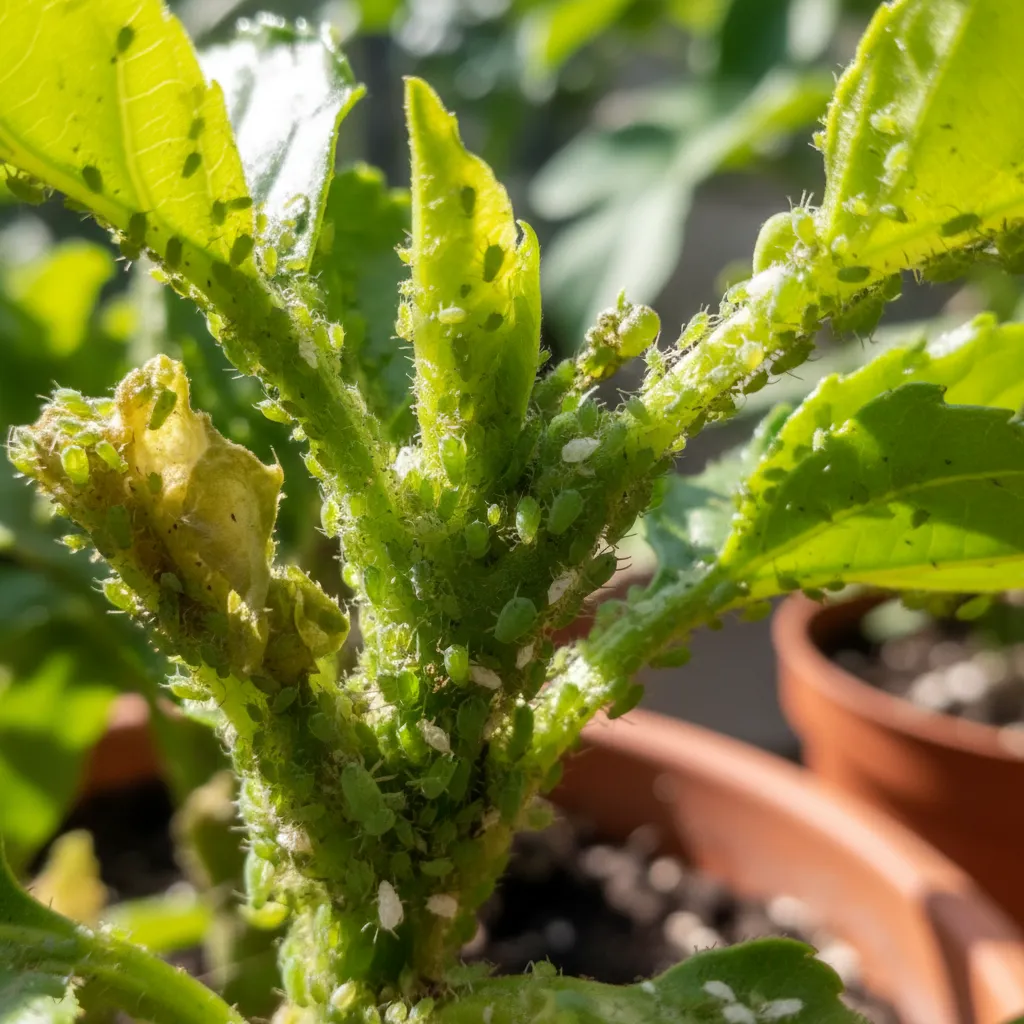
- Monitor for common pests like arborvitae leafminers or bagworms, and diseases such as root rot in poorly drained soils.
- Thuja occidentalis is cold-hardy, thriving in USDA zones 2-7, making it suitable for a wide range of temperate climates.
Reviewed by the Flora Medical Global Botanical Review Panel
Multi-disciplinary editorial group · Botany · Ethnobotany · Herbal-medicine literature
Who reviewed this: This page was checked by the Flora Medical Global Botanical Review Panel — an in-house editorial group of botany graduates, ethnobotany researchers, and horticulture practitioners who collectively maintain our 7,000+ plant encyclopedia. Meet the team.
Our 4-step verification process
1. Taxonomic verification
Scientific names and synonyms cross-checked against Kew POWO, World Flora Online, and The Plant List.
2. Phytochemical & medicinal cross-reference
Active compounds, traditional uses, and reported activities are cross-referenced with PubMed, USDA Dr. Duke's database, and peer-reviewed ethnobotanical literature.
3. Conservation & distribution check
Distribution, ecology, and conservation status confirmed against GBIF occurrence records and the IUCN Red List.
4. Editorial & safety review
Every entry passes an editorial pass for clarity, originality, and safety notices (toxicity, contraindications, dosage caveats) before publication.
Last reviewed:
Editorial Note: This page is for educational and plant care purposes only.
Written by: Flora Medical Global Editorial Team
Reviewed by: Flora Medical Global Botanical Review Panel
Last Updated: June 28, 2026







Arborvitae — Comments & Community Reviews
Rate this plant
No reviews yet. Be the first!