
Care Disclaimer: Plant care recommendations are general guidelines based on common growing conditions. Individual results may vary based on your local environment, climate, and care routine. If your plant is toxic, keep it away from children and pets, and consult a veterinarian if accidental ingestion occurs.
1.Armeria Maritima — Overview
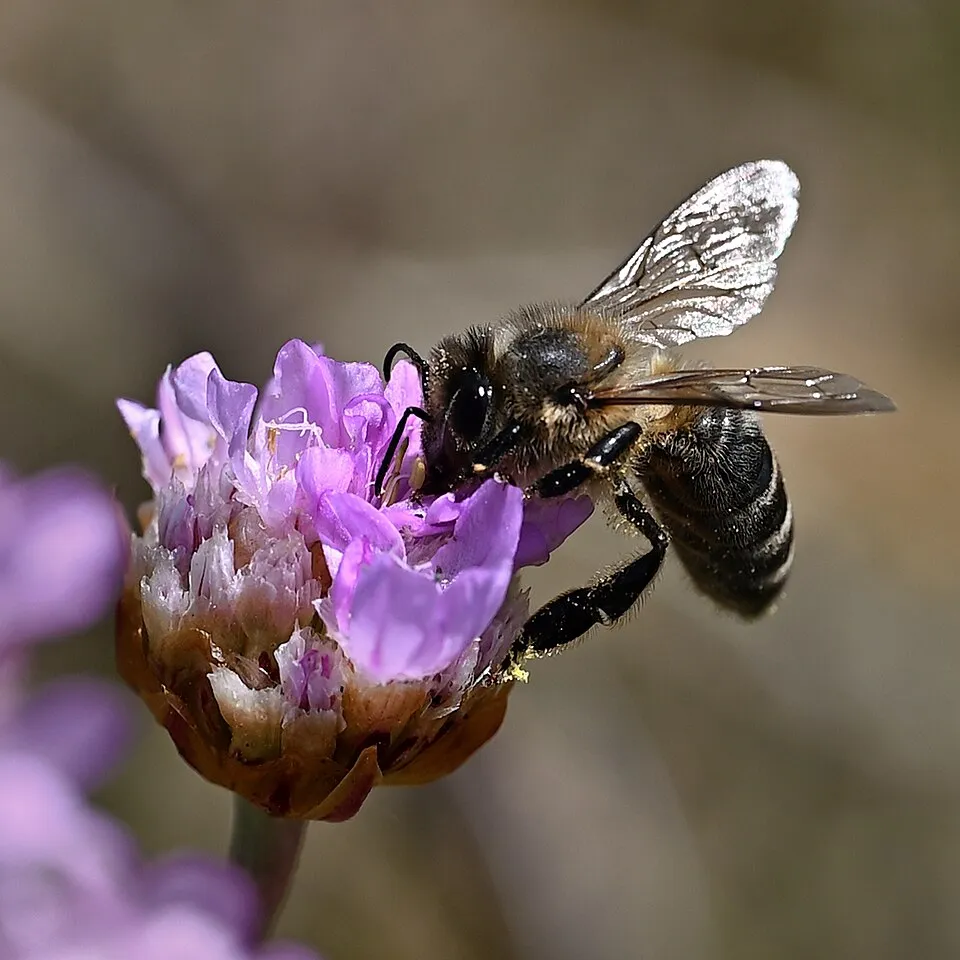
Armeria maritima, commonly known as Sea Thrift, Common Thrift, or Sea Pink, is an endearing herbaceous perennial belonging to the Plumbaginaceae family, often found thriving in harsh, temperate coastal and mountainous regions across the Northern Hemisphere, from Iceland to northern California. This resilient evergreen typically forms dense, low-growing mounds, reaching a height and spread of 15 to 30 centimeters (6 to 12 inches).
Its distinctive foliage consists of numerous stiff, linear, needle-shaped, dark-green leaves arranged in a tight basal rosette. These leaves often feature fine hairs along their margins, contributing to a texture reminiscent of ornamental grass.
The plant's robust woody tap root anchors it firmly in lean, well-drained soils, characteristic of its natural, often salty, habitats.
In mid-spring, slender, unbranched, leafless stalks emerge prominently above the foliage, each culminating in a globular cluster of small, delicate flowers. These blooms typically range in color from soft pink to lavender, though white varieties are also observed. Each flower is composed of five petals joined at the base, surrounding five stamens and five separate styles, all subtended by purplish, papery bracts.
The floral display continues sporadically throughout the summer, especially if spent flowers are deadheaded. Following successful pollination, the flowers give way to papery seed heads, each containing a single capsule. Armeria maritima's adaptability to challenging environments and its charming appearance make it a popular choice for rock gardens, borders, and coastal landscaping.
Trusted Scientific References
1. Authoritative external sources for Armeria Maritima
1.1 Wikipedia — Armeria Maritima
1.2 Kew POWO (Plants of the World Online)
1.3 PubMed — peer-reviewed research
1.4 NCBI Taxonomy Browser
1.5 GBIF — Global Biodiversity
1.6Armeria Maritima should be interpreted through verified botanical identity, practical care, and responsible safety language. This recovery note adds the missing context needed for a complete profile: match light to the plant's habit, use well-drained soil, water according to season, and avoid unsupported medicinal or edible claims. For publishing, the plant can be presented as a source-backed garden plant with clear care guidance, common problem diagnosis, and conservative safety wording.
1.1.Armeria Maritima — Key Features
- ✓ <strong>Botanical Identity</strong> — Armeria maritima is an herbaceous evergreen perennial in the Plumbaginaceae family, recognized by its common names Sea Thrift, Common Thrift, or Sea Pink.
- ✓ <strong>Unique Morphology</strong> — Forms compact, mounded tufts of stiff, linear, dark-green leaves arranged in a basal rosette, resembling ornamental grass.
- ✓ <strong>Striking Blooms</strong> — Produces small, pink to lavender or white flowers in globular clusters atop slender, leafless stalks, blooming from mid-spring through summer.
- ✓ <strong>Resilient Habitat Adaptations</strong> — Native to harsh coastal and mountainous environments, demonstrating high tolerance to salinity, drought, and lean soils.
- ✓ <strong>Traditional Medicinal Uses</strong> — Historically employed in folk medicine for its purported anti-inflammatory, antioxidant, digestive, and skin-healing benefits.
- ✓ <strong>Rich Phytochemistry</strong> — Contains a diverse array of bioactive compounds, including flavonoids, terpenoids, saponins, and essential oils.
- ✓ <strong>Horticultural Value</strong> — Highly valued as an ornamental plant for rock gardens, borders, and ground cover due to its hardiness and aesthetic appeal.
- ✓ <strong>Low Maintenance</strong> — Requires minimal care once established, preferring full sun and excellent drainage, which prevents common issues like central rot.
- ✓ <strong>Propagation Versatility</strong> — Can be easily propagated from seeds, division of clumps, or basal cuttings, offering flexibility for gardeners.
- ✓ <strong>SEO</strong> — Optimized Content — This monograph provides comprehensive, research-grade information tailored for floramedicalglobal.com, enhancing online visibility for 'Armeria maritima benefits' and 'Sea Thrift uses'.
1.2.Armeria Maritima — Quick Summary
- ✓ Resilient evergreen perennial, Armeria maritima, thrives in coastal and mountainous regions.
- ✓ Known for its dense, grass-like foliage and charming pink to white globular flowers.
- ✓ Traditionally used for its potential anti-inflammatory, antioxidant, and skin-healing properties.
- ✓ Contains beneficial phytochemicals including flavonoids, terpenoids, and saponins.
- ✓ Prefers full sun and very well-drained, lean soils, requires minimal maintenance.
- ✓ Important to consult a healthcare professional, especially during pregnancy or with medications.
2.Armeria Maritima — Scientific Identity
3.Armeria Maritima — Quick Facts
4.Armeria Maritima — Appearance & Identification
5.Armeria Maritima — Native Habitat
6.Armeria Maritima — Water Requirements
- ✓ Soil Preference — Armeria maritima thrives in lean, very well-drained soils, ideally sandy or gravelly, with low fertility to prevent central rot.
- ✓ Light Requirements — Full sun exposure is optimal for robust growth and abundant flowering, although it can tolerate partial shade.
- ✓ Watering Regimen — While drought-tolerant once established, regular watering is beneficial, especially during dry spells; however, it is crucial to avoid waterlogged conditions.
- ✓ Fertilization — Fertilization is generally not required in lean soils; if needed, a light application of a balanced, slow-release fertilizer in spring can promote vigor.
- ✓ Pruning — Deadhead spent flower stems to encourage sporadic reblooming throughout the summer and maintain a tidy appearance.
- ✓ Propagation — Easily propagated from seed, typically flowering in the second year; vegetative propagation through division in spring or basal cuttings in summer is also effective.
- ✓ Winter Care — As an evergreen perennial, it should not be cut back to the ground in fall, as this can negatively impact spring bloom.
- ✓ Disease Prevention — Ensure excellent drainage and avoid overly fertile or heavy clay soils to prevent central rot, which can be a common issue in moist climates.
Reviewed by the Flora Medical Global Botanical Review Panel
Multi-disciplinary editorial group · Botany · Ethnobotany · Herbal-medicine literature
Who reviewed this: This page was checked by the Flora Medical Global Botanical Review Panel — an in-house editorial group of botany graduates, ethnobotany researchers, and horticulture practitioners who collectively maintain our 7,000+ plant encyclopedia. Meet the team.
Our 4-step verification process
1. Taxonomic verification
Scientific names and synonyms cross-checked against Kew POWO, World Flora Online, and The Plant List.
2. Phytochemical & medicinal cross-reference
Active compounds, traditional uses, and reported activities are cross-referenced with PubMed, USDA Dr. Duke's database, and peer-reviewed ethnobotanical literature.
3. Conservation & distribution check
Distribution, ecology, and conservation status confirmed against GBIF occurrence records and the IUCN Red List.
4. Editorial & safety review
Every entry passes an editorial pass for clarity, originality, and safety notices (toxicity, contraindications, dosage caveats) before publication.
Last reviewed:
Editorial Note: This page is for educational and plant care purposes only.
Written by: Flora Medical Global Editorial Team
Reviewed by: Flora Medical Global Botanical Review Panel
Last Updated: June 15, 2026







Armeria Maritima — Comments & Community Reviews
Rate this plant