
Care Disclaimer: Plant care recommendations are general guidelines based on common growing conditions. Individual results may vary based on your local environment, climate, and care routine. If your plant is toxic, keep it away from children and pets, and consult a veterinarian if accidental ingestion occurs.
1.Bellevalia Romana — Overview
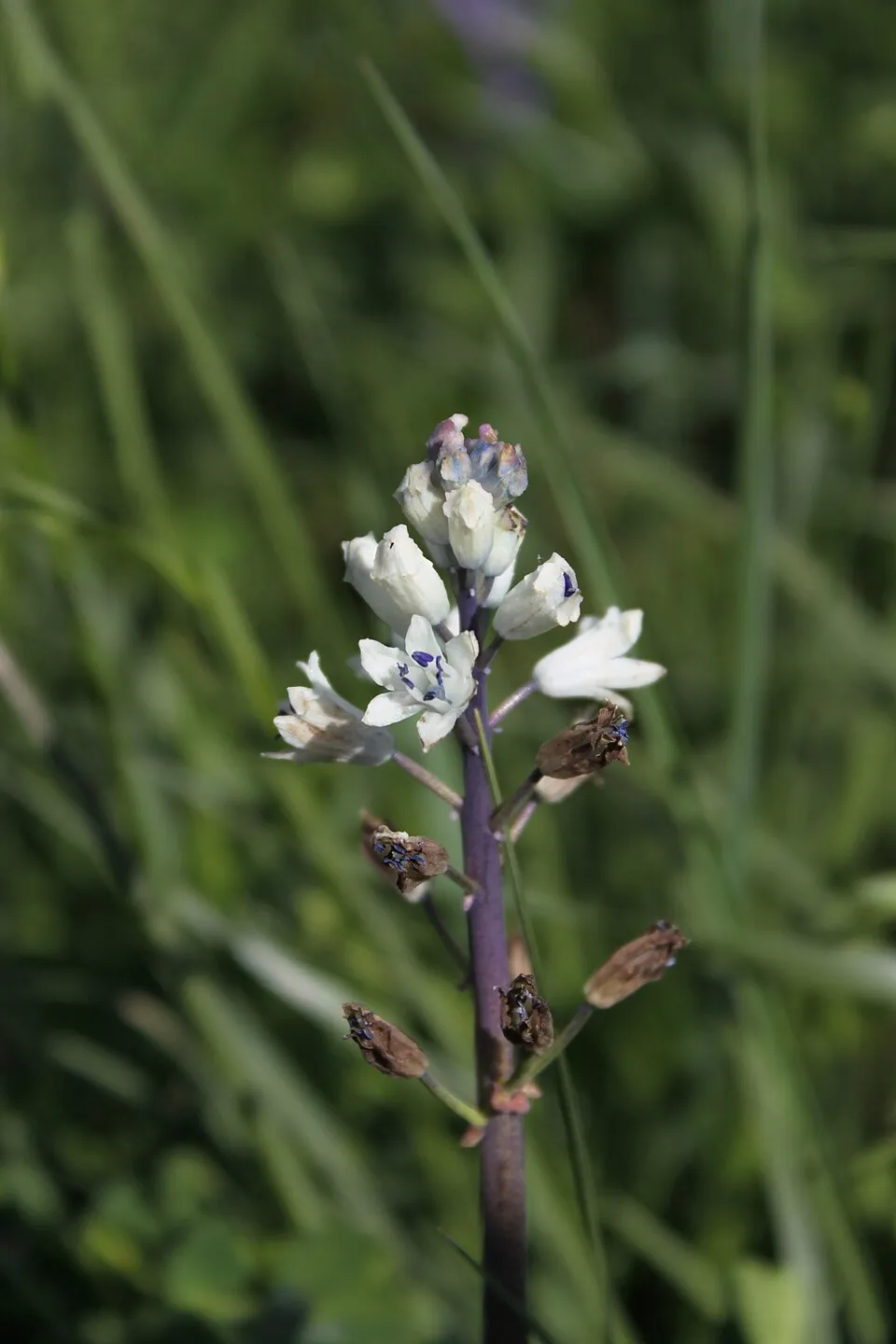
Bellevalia romana, commonly known as Roman Hyacinth, is an elegant herbaceous perennial belonging to the Asparagaceae family, native to Southern Europe, including Italy, Greece, France, and parts of North Africa like Egypt, thriving in Mediterranean climates. This bulbous geophyte typically reaches a height of up to 30 cm, emerging from an underground storage organ that aids in its resilience. Its foliage consists of broad, basal, strap-like leaves, often bright green, that can extend up to 15 cm, providing a lush ground cover.
During its blooming season, generally from April onwards, Bellevalia romana produces charming clusters of small, bell-shaped flowers. These blooms vary in color, often appearing in shades of white or pale yellow, sometimes with a greenish or purplish tinge, and are known to be mildly fragrant, attracting a variety of pollinators such as bees and other beneficial insects. The plant prefers well-drained soils, adapting to light (sandy), medium (loamy), and even heavy (clayey) soil types, and can tolerate a range of pH from mildly acid to mildly alkaline.
It flourishes in full sun but can also adapt to semi-shaded conditions, making it a versatile addition to rock gardens, borders, or naturalized areas. Its robust nature allows it to thrive in meadows and cultivated grounds, demonstrating good hardiness and a capacity to naturalize and spread gradually over time, enhancing local biodiversity.
Trusted Scientific References
1. Authoritative external sources for Bellevalia Romana
1.1 Wikipedia — Bellevalia Romana
1.2 Kew POWO (Plants of the World Online)
1.3 PubMed — peer-reviewed research
1.4 NCBI Taxonomy Browser
1.5 GBIF — Global Biodiversity
1.6Bellevalia Romana should be interpreted through verified botanical identity, practical care, and responsible safety language. This recovery note adds the missing context needed for a complete profile: match light to the plant's habit, use well-drained soil, water according to season, and avoid unsupported medicinal or edible claims. For publishing, the plant can be presented as a source-backed garden plant with clear care guidance, common problem diagnosis, and conservative safety wording.
1.1.Bellevalia Romana — Key Features
- ✓ <strong>Bulbous Perennial</strong> — Features an underground bulb for storage and perennial growth.
- ✓ <strong>Ornamental Value</strong> — Prized for its attractive, bell-shaped flower clusters and lush foliage.
- ✓ <strong>Mediterranean Native</strong> — Naturally occurs across Southern Europe and North Africa.
- ✓ <strong>Edible Bulbs</strong> — Hypogeal organs are traditionally consumed raw or cooked in Italy.
- ✓ <strong>Pollinator Attractor</strong> — Its flowers attract bees and other beneficial insects.
- ✓ <strong>Adaptable Growth</strong> — Thrives in full sun to semi-shade and various well-drained soils.
- ✓ <strong>Low Maintenance</strong> — A resilient plant that naturalizes easily in suitable conditions.
- ✓ <strong>Asparagaceae Family</strong> — Belongs to the asparagus family, sharing some botanical characteristics.
- ✓ <strong>USDA Hardiness Zones 6</strong> — 10 — Demonstrates good cold hardiness.
- ✓ <strong>Weed Potential</strong> — Can naturalize readily, with some potential for spread in certain areas.
1.2.Bellevalia Romana — Quick Summary
- ✓ Roman Hyacinth (Bellevalia romana) is a resilient bulbous perennial.
- ✓ Native to Southern Europe, thriving in Mediterranean climates.
- ✓ Known for its attractive white/pale yellow flowers and strap-like leaves.
- ✓ Edible bulbs are traditionally consumed in some regions.
- ✓ Limited scientific research on specific medicinal properties.
- ✓ Cultivated for ornamental value and ease of growth in various soils.
- ✓ Requires well-drained soil and prefers full sun.
2.Bellevalia Romana — Scientific Identity
3.Bellevalia Romana — Quick Facts
4.Bellevalia Romana — Appearance & Identification
5.Bellevalia Romana — Native Habitat
6.Bellevalia Romana — Water Requirements
- ✓ Soil Preference — Thrives in well-drained soil, tolerating sandy, loamy, and clayey textures; prefers moderate to rich organic content.
- ✓ Light Requirements — Prefers full sun exposure for optimal growth and flowering, though it can adapt to dappled or semi-shaded conditions.
- ✓ Watering Regimen — Requires regular watering, especially during dry periods and active growth phases; avoid waterlogging.
- ✓ Hardiness Zone — Hardy in USDA zones 6-10, capable of withstanding moderate frost and various climate conditions.
- ✓ Propagation — Primarily propagated by seed, which can be sown in autumn or spring, or by offsets from mature bulbs.
- ✓ Planting Depth — Plant bulbs approximately 10-15 cm deep and 10 cm apart to allow for proper root development and spread.
- ✓ Maintenance — Low maintenance; benefits from annual mulching and occasional division every few years to prevent overcrowding.
- ✓ Habitat Adaptability — Suitable for meadows, cultivated grounds, rock gardens, and naturalized settings, demonstrating good resilience.
Reviewed by the Flora Medical Global Botanical Review Panel
Multi-disciplinary editorial group · Botany · Ethnobotany · Herbal-medicine literature
Who reviewed this: This page was checked by the Flora Medical Global Botanical Review Panel — an in-house editorial group of botany graduates, ethnobotany researchers, and horticulture practitioners who collectively maintain our 7,000+ plant encyclopedia. Meet the team.
Our 4-step verification process
1. Taxonomic verification
Scientific names and synonyms cross-checked against Kew POWO, World Flora Online, and The Plant List.
2. Phytochemical & medicinal cross-reference
Active compounds, traditional uses, and reported activities are cross-referenced with PubMed, USDA Dr. Duke's database, and peer-reviewed ethnobotanical literature.
3. Conservation & distribution check
Distribution, ecology, and conservation status confirmed against GBIF occurrence records and the IUCN Red List.
4. Editorial & safety review
Every entry passes an editorial pass for clarity, originality, and safety notices (toxicity, contraindications, dosage caveats) before publication.
Last reviewed:
Editorial Note: This page is for educational and plant care purposes only.
Written by: Flora Medical Global Editorial Team
Reviewed by: Flora Medical Global Botanical Review Panel
Last Updated: June 15, 2026







Bellevalia Romana — Comments & Community Reviews
Rate this plant