
Care Disclaimer: Plant care recommendations are general guidelines based on common growing conditions. Individual results may vary based on your local environment, climate, and care routine. If your plant is toxic, keep it away from children and pets, and consult a veterinarian if accidental ingestion occurs.
1.Berberis Thunbergii — Overview
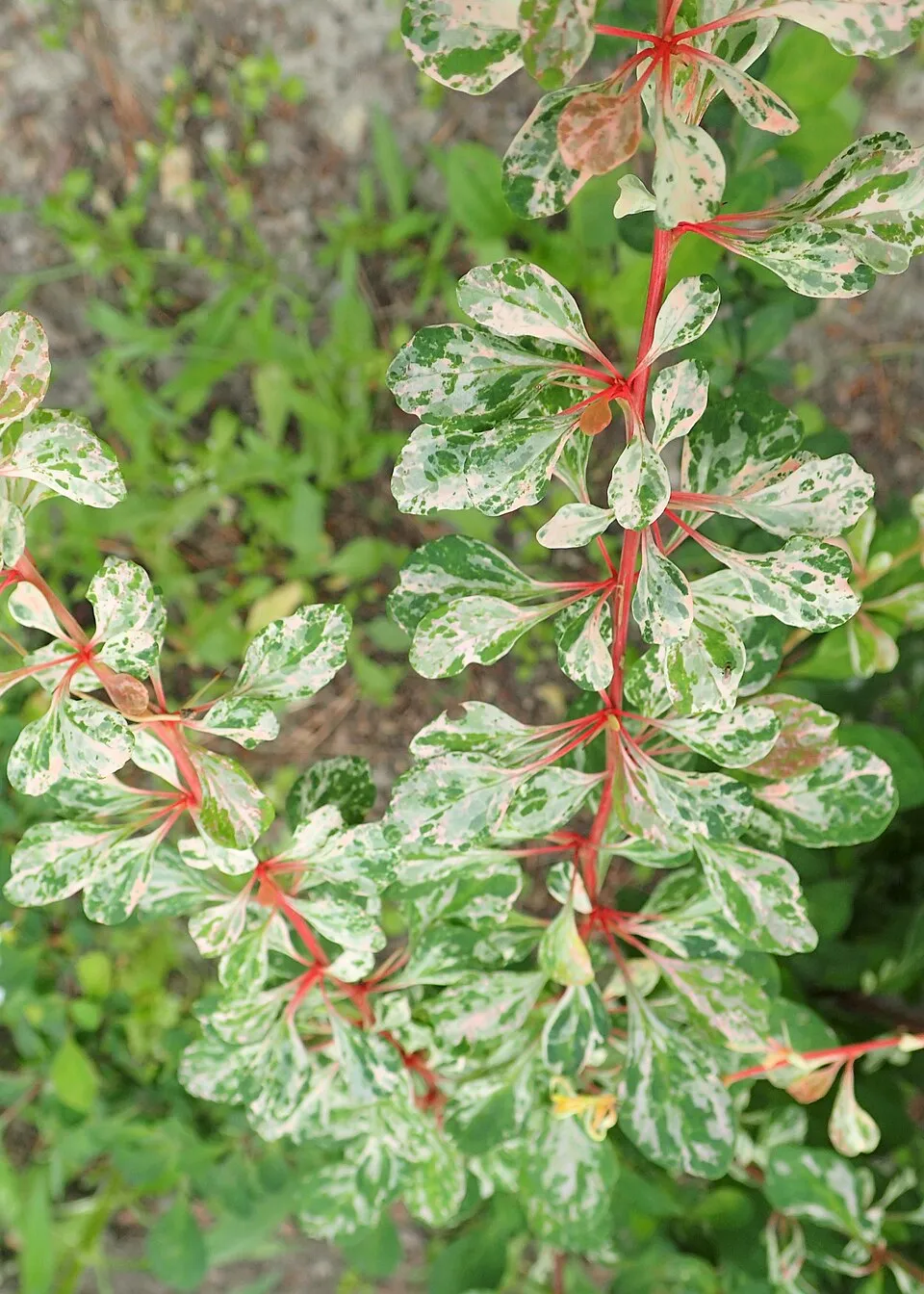
Berberis thunbergii, commonly known as Japanese Barberry or Thunberg's Barberry, is a deciduous shrub belonging to the Berberidaceae family. Native to Asia, this species typically grows to a height of 3 to 6 feet and spreads 4 to 7 feet wide, forming a dense, rounded habit. Its morphology is characterized by small, slightly blue-green to reddish leaves that transform into vibrant fall colors.
A distinctive feature is the presence of a single, sharp spine at each node along its stems. In mid to late spring, Berberis thunbergii produces delicate yellow flowers, often appearing in clusters, which later mature into showy, bright red berries. These berries are a significant ornamental feature, frequently persisting on the shrub well into the winter months.
While aesthetically valued, particularly for its hardiness and vibrant foliage, this plant is recognized as an invasive species in many regions, including North Carolina, where it can form dense thickets that outcompete native flora and alter soil pH. It thrives in full sun to partial shade, requiring at least six hours of daylight, and demonstrates remarkable adaptability to various soil types, provided they are well-drained. The species is also notably tolerant of drought, deer, and urban environmental conditions, contributing to its widespread use in landscaping despite its ecological concerns.
Trusted Scientific References
1. Authoritative external sources for Berberis thunbergii
1.1 Wikipedia — Berberis thunbergii
1.2 Kew POWO (Plants of the World Online)
1.3 PubMed — peer-reviewed research
1.4 NCBI Taxonomy Browser
1.5 GBIF — Global Biodiversity
1.6Berberis Thunbergii should be interpreted through verified botanical identity, practical care, and responsible safety language. This recovery note adds the missing context needed for a complete profile: match light to the plant's habit, use well-drained soil, water according to season, and avoid unsupported medicinal or edible claims. For publishing, the plant can be presented as a source-backed garden plant with clear care guidance, common problem diagnosis, and conservative safety wording.
1.1.Berberis Thunbergii — Key Features
- ✓ <strong>Deciduous Shrub</strong> — Loses its leaves in the fall, revealing bright red berries.
- ✓ <strong>Vibrant Fall Color</strong> — Leaves turn attractive shades of red and orange in autumn.
- ✓ <strong>Showy Red Berries</strong> — Bright red fruit persists through winter, providing ornamental value.
- ✓ <strong>Thorny Stems</strong> — Features a single sharp spine at each node, a key identification characteristic.
- ✓ <strong>Yellow Spring Flowers</strong> — Small, clustered yellow flowers appear in mid to late spring.
- ✓ <strong>Adaptable and Hardy</strong> — Tolerates a wide range of soil conditions, drought, and urban environments.
- ✓ <strong>Invasive Species</strong> — Recognized for its aggressive spread and ecological impact in many areas.
- ✓ <strong>Rich in Alkaloids</strong> — Contains berberine, a potent compound with diverse medicinal properties.
- ✓ <strong>Traditional Medicinal Uses</strong> — Employed in various ancient healing systems for centuries.
- ✓ <strong>Low Maintenance</strong> — Generally easy to grow once established, requiring minimal care.
1.2.Berberis Thunbergii — Quick Summary
- ✓ Berberis thunbergii, or Japanese Barberry, is a deciduous shrub native to Asia, known for its red berries and thorny stems.
- ✓ Traditionally used in Ayurveda, Unani, and TCM for its anti-inflammatory, antiseptic, and digestive properties.
- ✓ Rich in alkaloids like berberine, flavonoids, and tannins, which are responsible for its diverse medicinal actions.
- ✓ Offers benefits for digestion, respiratory health, skin conditions, and possesses mild analgesic effects.
- ✓ Requires well-drained soil and full sun; however, it is recognized as an invasive species in many regions.
- ✓ Contraindicated in pregnancy and requires caution due to potential drug interactions and gastrointestinal side effects.
2.Berberis Thunbergii — Scientific Identity
3.Berberis Thunbergii — Quick Facts
4.Berberis Thunbergii — Appearance & Identification
5.Berberis Thunbergii — Native Habitat
6.Berberis Thunbergii — Water Requirements
- ✓ Soil Preference — Thrives in well-drained, loamy soil that is rich in organic matter, avoiding heavy clay or waterlogged conditions.
- ✓ Light Requirements — Prefers full sun to partial shade, ideally receiving at least 6 hours of direct sunlight daily for optimal growth and berry production.
- ✓ Watering Schedule — Maintain consistent soil moisture, especially during dry periods, but allow the topsoil to dry slightly between waterings to prevent root rot.
- ✓ Pruning Techniques — Regular pruning is recommended to maintain a bushy form, remove dead or damaged branches, and control its size, particularly important for managing its invasive tendencies.
- ✓ Fertilization — Apply a balanced, slow-release fertilizer in early spring to support vigorous foliage and flowering throughout the growing season.
- ✓ Propagation — Can be propagated by seeds, which are dispersed by birds, or by root suckers, contributing to its invasive spread; sterile cultivars are recommended to mitigate this.
- ✓ Pest and Disease Management — Generally robust, but monitor for common issues like aphids, scale insects, and occasional fungal spots, addressing them with appropriate organic or chemical treatments.
- ✓ Invasive Species Consideration — Due to its invasive nature, consider planting sterile cultivars or native alternatives to Japanese Barberry to protect local ecosystems.
Reviewed by the Flora Medical Global Botanical Review Panel
Multi-disciplinary editorial group · Botany · Ethnobotany · Herbal-medicine literature
Who reviewed this: This page was checked by the Flora Medical Global Botanical Review Panel — an in-house editorial group of botany graduates, ethnobotany researchers, and horticulture practitioners who collectively maintain our 7,000+ plant encyclopedia. Meet the team.
Our 4-step verification process
1. Taxonomic verification
Scientific names and synonyms cross-checked against Kew POWO, World Flora Online, and The Plant List.
2. Phytochemical & medicinal cross-reference
Active compounds, traditional uses, and reported activities are cross-referenced with PubMed, USDA Dr. Duke's database, and peer-reviewed ethnobotanical literature.
3. Conservation & distribution check
Distribution, ecology, and conservation status confirmed against GBIF occurrence records and the IUCN Red List.
4. Editorial & safety review
Every entry passes an editorial pass for clarity, originality, and safety notices (toxicity, contraindications, dosage caveats) before publication.
Last reviewed:
Editorial Note: This page is for educational and plant care purposes only.
Written by: Flora Medical Global Editorial Team
Reviewed by: Flora Medical Global Botanical Review Panel
Last Updated: June 15, 2026







Berberis Thunbergii — Comments & Community Reviews
Rate this plant