
Care Disclaimer: Plant care recommendations are general guidelines based on common growing conditions. Individual results may vary based on your local environment, climate, and care routine. If your plant is toxic, keep it away from children and pets, and consult a veterinarian if accidental ingestion occurs.
1.Brimeura Amethystina — Overview
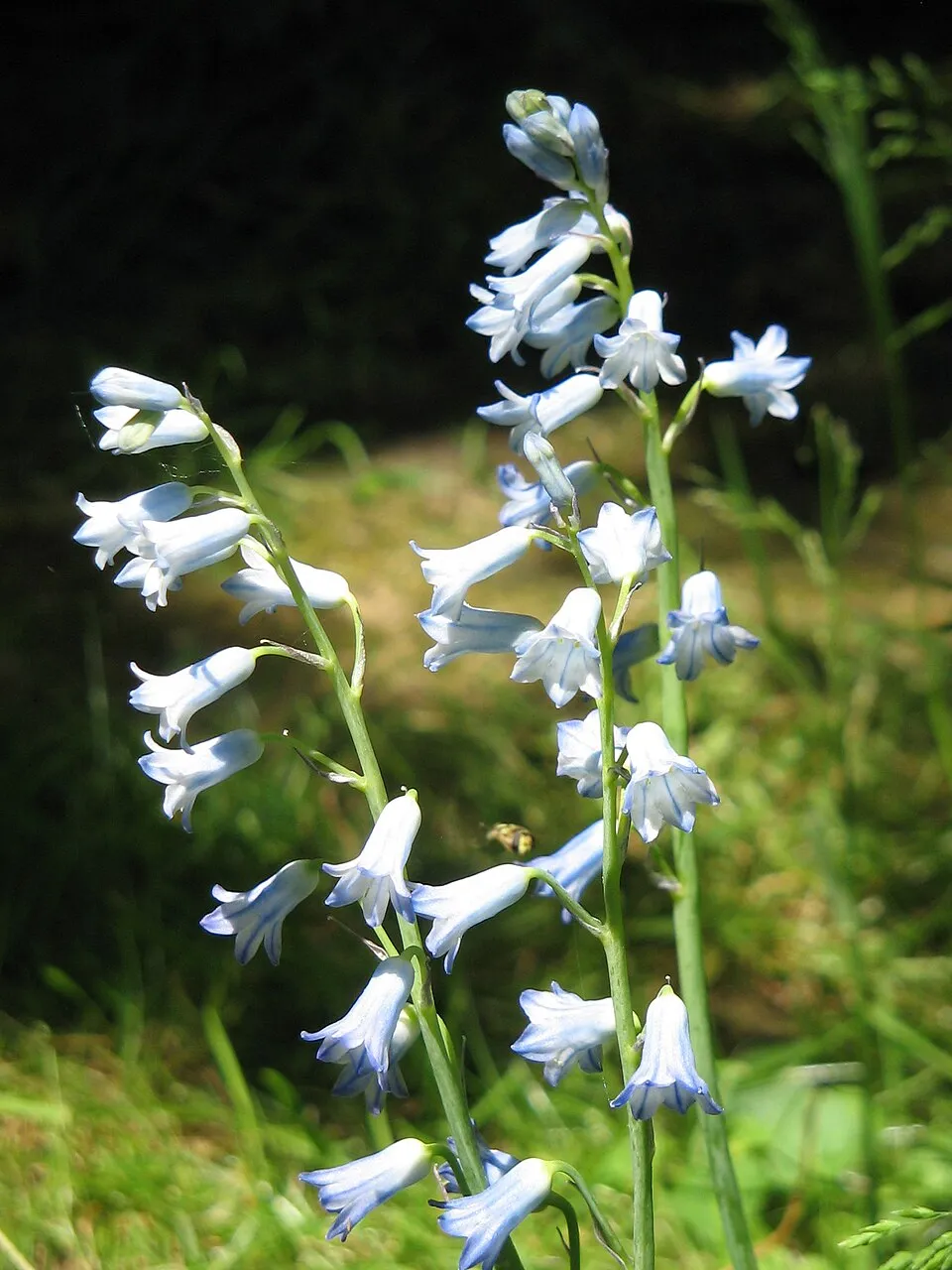
Brimeura amethystina, commonly known as the amethyst hyacinth, is an enchanting bulbous herbaceous perennial belonging to the Asparagaceae family, specifically within the Scilloideae subfamily. This delicate species is indigenous to the rocky and grassy terrains of the Northern Pyrenees and northeastern Spain, where it thrives in its natural habitat. Typically growing to a modest height of 10 to 20 centimeters (4 to 8 inches), it presents a charming display of narrow, grass-like linear leaves that emerge from a small bulb.
The plant's aesthetic appeal is highlighted during its spring flowering phase, when it produces widely-spaced, bell-shaped flowers. These blooms exhibit a captivating spectrum of colors, ranging from pale blue and dark blue to various shades of violet, with a notable white cultivar known as 'Alba' also existing. Historically, Brimeura amethystina was classified under the genus Hyacinthus, underscoring its close botanical relationship to true hyacinths before its reclassification.
Its adaptability to naturalizing conditions and its distinct floral beauty have earned it recognition, including the prestigious Royal Horticultural Society's Award of Garden Merit in the UK, making it a valued ornamental plant for rock gardens and borders.
Trusted Scientific References
1. Authoritative external sources for Brimeura Amethystina
1.1 Wikipedia — Brimeura Amethystina
1.2 Kew POWO (Plants of the World Online)
1.3 PubMed — peer-reviewed research
1.4 NCBI Taxonomy Browser
1.5 GBIF — Global Biodiversity
1.6Brimeura Amethystina should be interpreted through verified botanical identity, practical care, and responsible safety language. This recovery note adds the missing context needed for a complete profile: match light to the plant's habit, use well-drained soil, water according to season, and avoid unsupported medicinal or edible claims. For publishing, the plant can be presented as a source-backed garden plant with clear care guidance, common problem diagnosis, and conservative safety wording.
1.1.Brimeura Amethystina — Key Features
- ✓ <strong>Bulbous Perennial</strong> — Grows from a bulb, returning year after year.
- ✓ <strong>Amethyst Flowers</strong> — Bell-shaped blooms in shades of blue, violet, and white.
- ✓ <strong>Pyrenean Native</strong> — Indigenous to the Northern Pyrenees and northeastern Spain.
- ✓ <strong>Grass</strong> — like Foliage — Slender, linear leaves provide a delicate texture.
- ✓ <strong>Spring Bloomer</strong> — Offers early season color to gardens and naturalized areas.
- ✓ <strong>Ornamental Value</strong> — Highly prized for its aesthetic appeal in horticulture.
- ✓ <strong>RHS Award of Garden Merit</strong> — Recognized for its excellent garden performance.
- ✓ <strong>Well</strong> — Drained Soil Preference — Thrives in gritty or sandy, organic-rich substrates.
- ✓ <strong>Drought Tolerant (Summer Dormancy)</strong> — Requires dry conditions during its dormant phase.
- ✓ <strong>Asparagaceae Family</strong> — Belongs to the asparagus family, related to hyacinths.
1.2.Brimeura Amethystina — Quick Summary
- ✓ Amethyst Hyacinth (Brimeura amethystina) is an ornamental bulbous perennial native to the Pyrenees.
- ✓ Features bell-shaped blue-violet flowers and grass-like leaves, blooming in spring.
- ✓ Primarily valued for its aesthetic appeal in gardens and landscapes, earning the RHS Award of Garden Merit.
- ✓ Limited scientific research exists regarding its medicinal properties or chemical constituents.
- ✓ Hypothetical medicinal benefits are extrapolated from common plant compounds like flavonoids and phenolics.
- ✓ Caution is advised for any internal use due to insufficient safety and efficacy data.
2.Brimeura Amethystina — Scientific Identity
3.Brimeura Amethystina — Quick Facts
4.Brimeura Amethystina — Appearance & Identification
5.Brimeura Amethystina — Native Habitat
6.Brimeura Amethystina — Water Requirements
- ✓ Site Selection — Brimeura amethystina prefers full sun to partial shade, ideally in rocky or grassy areas mirroring its natural Pyrenean habitat.
- ✓ Soil Requirements — Thrives in well-drained soil rich in organic matter; sandy or gritty soils are preferred to prevent waterlogging, especially around its bulb.
- ✓ Planting Depth — Plant bulbs approximately 5-10 cm (2-4 inches) deep and 5-8 cm (2-3 inches) apart in autumn for spring flowering.
- ✓ Watering — Requires moderate watering during its active growth period in spring, but prefers to remain dry during its summer dormancy to prevent bulb rot.
- ✓ Fertilization — A light application of balanced, slow-release granular fertilizer in early spring can support vigorous growth and flowering.
- ✓ Winter Hardiness — Generally hardy in temperate climates, tolerating cold conditions, but mulching in colder regions can offer additional protection.
- ✓ Propagation — Primarily propagated by offsets from mature bulbs or by seeds, which can take several years to reach flowering maturity.
- ✓ Pest and Disease Management — Generally robust, but ensure good air circulation and drainage to prevent fungal issues; monitor for common bulb pests.
Reviewed by the Flora Medical Global Botanical Review Panel
Multi-disciplinary editorial group · Botany · Ethnobotany · Herbal-medicine literature
Who reviewed this: This page was checked by the Flora Medical Global Botanical Review Panel — an in-house editorial group of botany graduates, ethnobotany researchers, and horticulture practitioners who collectively maintain our 7,000+ plant encyclopedia. Meet the team.
Our 4-step verification process
1. Taxonomic verification
Scientific names and synonyms cross-checked against Kew POWO, World Flora Online, and The Plant List.
2. Phytochemical & medicinal cross-reference
Active compounds, traditional uses, and reported activities are cross-referenced with PubMed, USDA Dr. Duke's database, and peer-reviewed ethnobotanical literature.
3. Conservation & distribution check
Distribution, ecology, and conservation status confirmed against GBIF occurrence records and the IUCN Red List.
4. Editorial & safety review
Every entry passes an editorial pass for clarity, originality, and safety notices (toxicity, contraindications, dosage caveats) before publication.
Last reviewed:
Editorial Note: This page is for educational and plant care purposes only.
Written by: Flora Medical Global Editorial Team
Reviewed by: Flora Medical Global Botanical Review Panel
Last Updated: June 15, 2026







Brimeura Amethystina — Comments & Community Reviews
Rate this plant