

Care Disclaimer: Plant care recommendations are general guidelines based on common growing conditions. Individual results may vary based on your local environment, climate, and care routine. If your plant is toxic, keep it away from children and pets, and consult a veterinarian if accidental ingestion occurs.
1.Buddleja Alternifolia — Overview
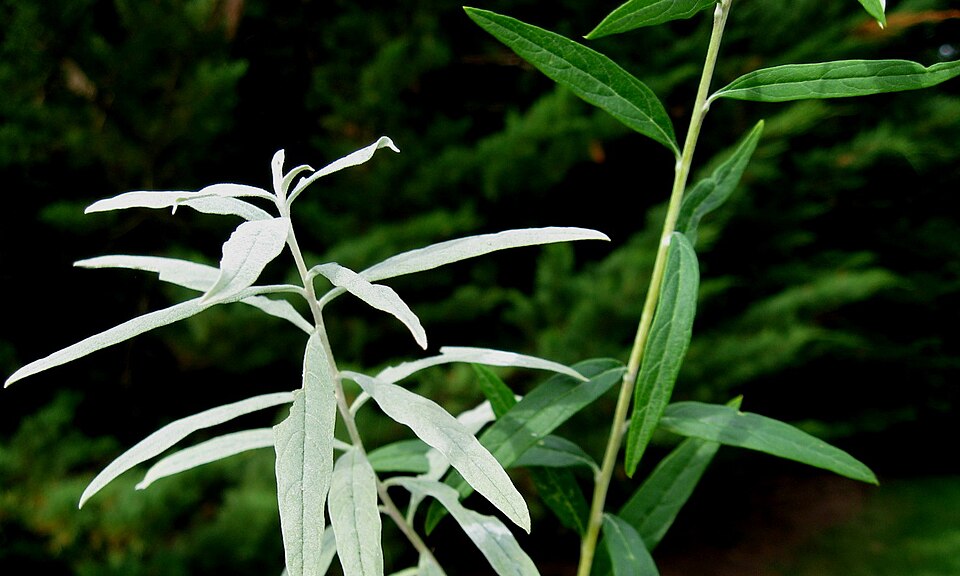
Buddleja alternifolia, commonly known as the Alternate Leaf Butterfly Bush, Fountain Butterfly Bush, or Weeping Butterfly Bush, is a captivating broadleaf deciduous shrub native to the arid and semi-arid regions of Tibet and North and East Central China. It typically thrives in thickets along river banks and dry river beds, showcasing remarkable adaptability. This multi-stemmed plant is distinguished by its graceful, pendulous, and arching stems, which give it a unique weeping willow-like habit, growing to an impressive height of 8 to 15 feet and spreading 10 to 18 feet wide.
Unlike many other Buddleja species, its narrow, lance-shaped leaves are alternately arranged along the stem, a key identifying feature. The leaves exhibit a striking dark green to silvery green on the upper surface and a dense gray tomentose (hairy) texture on the undersides. In late spring to early summer, the shrub bursts into bloom with clusters of sweetly fragrant, lilac-purple, tubular flowers.
These small flowers are tightly packed in short clusters, spirally arranged along the previous year's wood, creating the appearance of long panicles. Historically classified within the figwort family (Scrophulariaceae), Buddleja alternifolia is renowned for its winter hardiness, tolerating USDA Plant Hardiness Zones 5 to 9, making it a robust and attractive addition to diverse landscapes.
Trusted Scientific References
1. Authoritative external sources for Buddleja alternifolia
1.1 Wikipedia — Buddleja alternifolia
1.2 Kew POWO (Plants of the World Online)
1.3 PubMed — peer-reviewed research
1.4 NCBI Taxonomy Browser
1.5 GBIF — Global Biodiversity
1.6Buddleja Alternifolia should be interpreted through verified botanical identity, practical care, and responsible safety language. This recovery note adds the missing context needed for a complete profile: match light to the plant's habit, use well-drained soil, water according to season, and avoid unsupported medicinal or edible claims. For publishing, the plant can be presented as a source-backed garden plant with clear care guidance, common problem diagnosis, and conservative safety wording.
1.1.Buddleja Alternifolia — Key Features
- ✓ <strong>Weeping, arching growth</strong> — Weeping, arching growth habit, resembling a fountain or willow.
- ✓ <strong>Distinctive alternate leaf</strong> — Distinctive alternate leaf arrangement, setting it apart from other Buddleja species.
- ✓ <strong>Abundant clusters of fragrant lilac</strong> — purple tubular flowers blooming on old wood.
- ✓ <strong>Exceptional winter hardiness, suitable for USDA Zones 5</strong> — 9.
- ✓ <strong>Rich in bioactive compounds offering anti</strong> — inflammatory and antioxidant benefits.
- ✓ <strong>Traditional applications for</strong> — Traditional applications for digestive health and topical wound care.
- ✓ <strong>Attracts a variety</strong> — Attracts a variety of pollinators, including butterflies and hummingbirds.
- ✓ <strong>Tolerant of a</strong> — Tolerant of a wide range of soil conditions, including dry and poor soils.
- ✓ <strong>Relatively low maintenance</strong> — Relatively low maintenance once established, with good drought tolerance.
- ✓ <strong>Generally deer resistant,</strong> — Generally deer resistant, making it a good choice for landscapes prone to browsing.
1.2.Buddleja Alternifolia — Quick Summary
- ✓ Buddleja alternifolia is an ornamental and medicinal shrub with a graceful weeping habit and fragrant lilac flowers.
- ✓ Renowned for its potent anti-inflammatory and antioxidant properties, supporting cellular health.
- ✓ Traditionally used in Ayurveda and general folk medicine for digestive issues and topical skin healing.
- ✓ Contains beneficial compounds like flavonoids, saponins, tannins, and iridoids.
- ✓ Relatively easy to cultivate, preferring full sun and well-drained soil, and is quite winter hardy.
- ✓ Attracts butterflies and hummingbirds, making it valuable for ecological gardens.
2.Buddleja Alternifolia — Scientific Identity
3.Buddleja Alternifolia — Quick Facts
4.Buddleja Alternifolia — Appearance & Identification
5.Buddleja Alternifolia — Native Habitat
6.Buddleja Alternifolia — Water Requirements
- ✓ Soil Preference — Thrive in loose, organic-rich, well-drained soil, tolerating a wide range including dry soil, poor soils, or clay, with a pH range of 6.0 to 7.5.
- ✓ Light Requirements — Optimal flowering occurs in full sun; partial shade may lead to reduced bloom production.
- ✓ Watering Regimen — Requires moderate watering, allowing the soil to dry slightly between waterings; intolerant of wet or waterlogged conditions.
- ✓ Pruning Technique — For best flowering and to maintain its weeping habit, prune lightly in late spring or early summer after flowering, removing no more than one-third of the oldest stems as it blooms on previous year's wood.
- ✓ Fertilization — Apply a balanced, slow-release fertilizer in early spring to support vigorous growth and abundant flowering.
- ✓ Propagation — Easily propagated by semi-hardwood cuttings taken during the growing season.
- ✓ Hardiness — This species is notably winter hardy, thriving in USDA Plant Hardiness Zones 5 to 9.
- ✓ Pest and Disease Management — Generally resistant to serious pests and diseases, though susceptible to common garden issues like aphids, spider mites, and occasional leaf spot.
Reviewed by the Flora Medical Global Botanical Review Panel
Multi-disciplinary editorial group · Botany · Ethnobotany · Herbal-medicine literature
Who reviewed this: This page was checked by the Flora Medical Global Botanical Review Panel — an in-house editorial group of botany graduates, ethnobotany researchers, and horticulture practitioners who collectively maintain our 7,000+ plant encyclopedia. Meet the team.
Our 4-step verification process
1. Taxonomic verification
Scientific names and synonyms cross-checked against Kew POWO, World Flora Online, and The Plant List.
2. Phytochemical & medicinal cross-reference
Active compounds, traditional uses, and reported activities are cross-referenced with PubMed, USDA Dr. Duke's database, and peer-reviewed ethnobotanical literature.
3. Conservation & distribution check
Distribution, ecology, and conservation status confirmed against GBIF occurrence records and the IUCN Red List.
4. Editorial & safety review
Every entry passes an editorial pass for clarity, originality, and safety notices (toxicity, contraindications, dosage caveats) before publication.
Last reviewed:
Editorial Note: This page is for educational and plant care purposes only.
Written by: Flora Medical Global Editorial Team
Reviewed by: Flora Medical Global Botanical Review Panel
Last Updated: June 15, 2026







Buddleja Alternifolia — Comments & Community Reviews
Rate this plant