

Care Disclaimer: Plant care recommendations are general guidelines based on common growing conditions. Individual results may vary based on your local environment, climate, and care routine. If your plant is toxic, keep it away from children and pets, and consult a veterinarian if accidental ingestion occurs.
1.Bulbine Frutescens — Overview
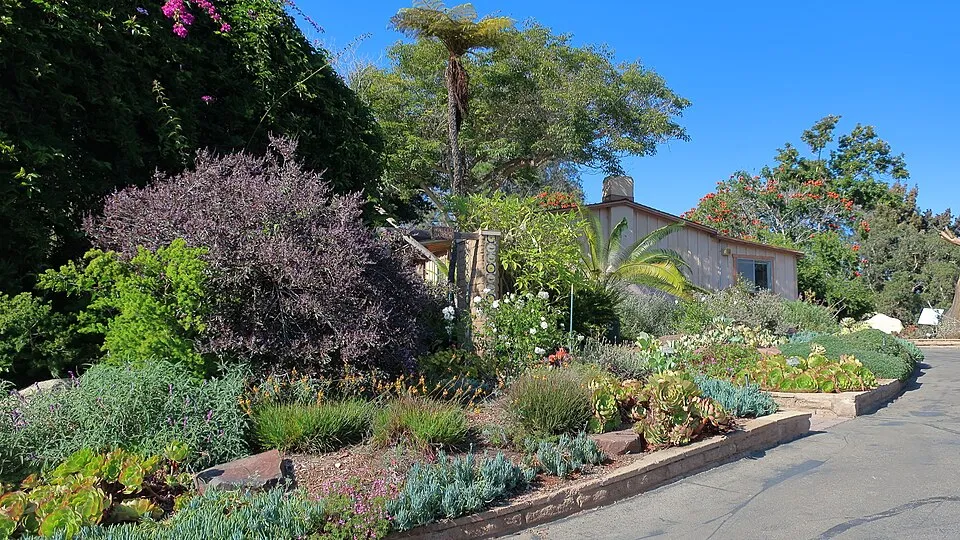
Bulbine frutescens, commonly known as Stalked Bulbine or Burn Jelly Plant, is a resilient herbaceous succulent native to the grasslands and coastal regions of Southern Africa, particularly South Africa. This striking member of the Asphodelaceae family typically forms clumps, growing up to 60-90 cm in height, characterized by its fleshy, linear, bright green leaves that emerge from a basal rosette. Unlike the previously described broad, ovate leaves, Bulbine frutescens boasts slender, cylindrical foliage, similar to a miniature Aloe.
From late spring through autumn, it produces tall, slender racemes adorned with numerous star-shaped flowers, predominantly bright yellow or orange, each with distinctive fuzzy stamens, which attract a variety of pollinators. The plant thrives in warm, temperate climates, exhibiting remarkable drought tolerance once established. It prefers well-drained, sandy or loamy soils and ample sunlight, making it an excellent choice for xeriscaping, rock gardens, or container cultivation.
Its adaptability to various soil conditions and minimal water requirements contribute to its popularity in both ornamental and medicinal gardens worldwide. The plant's clear, mucilaginous sap within its leaves is a key feature, historically valued for its soothing and healing properties.
Trusted Scientific References
1. Authoritative external sources for Bulbine Frutescens
1.1 Wikipedia — Bulbine Frutescens
1.2 Kew POWO (Plants of the World Online)
1.3 PubMed — peer-reviewed research
1.4 NCBI Taxonomy Browser
1.5 GBIF — Global Biodiversity
1.6Bulbine Frutescens should be interpreted through verified botanical identity, practical care, and responsible safety language. This recovery note adds the missing context needed for a complete profile: match light to the plant's habit, use well-drained soil, water according to season, and avoid unsupported medicinal or edible claims. For publishing, the plant can be presented as a source-backed garden plant with clear care guidance, common problem diagnosis, and conservative safety wording.
1.1.Bulbine Frutescens — Key Features
- ✓ <strong>Indigenous to Southern</strong> — Indigenous to Southern Africa, especially South Africa.
- ✓ <strong>Succulent, drought</strong> — tolerant herbaceous perennial.
- ✓ <strong>Commonly known as</strong> — Commonly known as Burn Jelly Plant or Stalked Bulbine.
- ✓ <strong>Produces vibrant yellow or orange star</strong> — shaped flowers.
- ✓ <strong>Contains a clear,</strong> — Contains a clear, mucilaginous leaf gel with healing properties.
- ✓ <strong>Scientifically validated for</strong> — Scientifically validated for promoting collagen synthesis and tissue repair.
- ✓ <strong>Exhibits significant anti</strong> — inflammatory and antimicrobial activities.
- ✓ <strong>Recognised for its</strong> — Recognised for its adaptogenic potential in healing processes.
- ✓ <strong>Low</strong> — maintenance and attractive ornamental garden plant.
- ✓ <strong>Versatile in traditional</strong> — Versatile in traditional African medicine for dermatological conditions.
1.2.Bulbine Frutescens — Quick Summary
- ✓ Southern African succulent known as the Burn Jelly Plant.
- ✓ Renowned for its potent wound healing and skin soothing properties.
- ✓ Rich in saponins, flavonoids, and anthraquinones that promote tissue repair.
- ✓ Primarily used topically for minor burns, cuts, rashes, and insect bites.
- ✓ Scientific research supports its anti-inflammatory and antimicrobial actions.
- ✓ Generally safe for external use, with caution advised for internal consumption.
2.Bulbine Frutescens — Scientific Identity
3.Bulbine Frutescens — Quick Facts
4.Bulbine Frutescens — Appearance & Identification
5.Bulbine Frutescens — Native Habitat
6.Bulbine Frutescens — Water Requirements
- ✓ Soil Preference — Thrives in well-drained, sandy or loamy soils, ideally enriched with organic matter to ensure good aeration and moderate fertility.
- ✓ Sunlight Requirements — Prefers full sun to partial shade for optimal growth and flowering; too little sun can result in leggy growth and sparse blooms.
- ✓ Watering Schedule — Drought-tolerant once established, requiring moderate watering; allow the soil to dry out completely between watering sessions to prevent root rot.
- ✓ Temperature and Hardiness — Best suited for warm, temperate climates; it is frost-sensitive and should be protected or brought indoors in regions with cold winters.
- ✓ Propagation Techniques — Easily propagated by seeds, stem cuttings, or by dividing established clumps, which is ideal for increasing plant stock.
- ✓ Fertilization — Benefits from a balanced organic fertilizer applied sparingly (e.g., monthly) during the active growing season (spring and summer) to support robust health.
- ✓ Pruning Practices — Remove spent flower stalks to encourage continuous blooming and prune any yellowing or damaged leaves to maintain plant vigor and appearance.
- ✓ Pest and Disease Management — Generally robust and resistant to most pests and diseases, though overwatering can lead to fungal issues or root rot.
Reviewed by the Flora Medical Global Botanical Review Panel
Multi-disciplinary editorial group · Botany · Ethnobotany · Herbal-medicine literature
Who reviewed this: This page was checked by the Flora Medical Global Botanical Review Panel — an in-house editorial group of botany graduates, ethnobotany researchers, and horticulture practitioners who collectively maintain our 7,000+ plant encyclopedia. Meet the team.
Our 4-step verification process
1. Taxonomic verification
Scientific names and synonyms cross-checked against Kew POWO, World Flora Online, and The Plant List.
2. Phytochemical & medicinal cross-reference
Active compounds, traditional uses, and reported activities are cross-referenced with PubMed, USDA Dr. Duke's database, and peer-reviewed ethnobotanical literature.
3. Conservation & distribution check
Distribution, ecology, and conservation status confirmed against GBIF occurrence records and the IUCN Red List.
4. Editorial & safety review
Every entry passes an editorial pass for clarity, originality, and safety notices (toxicity, contraindications, dosage caveats) before publication.
Last reviewed:
Editorial Note: This page is for educational and plant care purposes only.
Written by: Flora Medical Global Editorial Team
Reviewed by: Flora Medical Global Botanical Review Panel
Last Updated: June 15, 2026







Bulbine Frutescens — Comments & Community Reviews
Rate this plant