

Care Disclaimer: Plant care recommendations are general guidelines based on common growing conditions. Individual results may vary based on your local environment, climate, and care routine. If your plant is toxic, keep it away from children and pets, and consult a veterinarian if accidental ingestion occurs.
1.Calamintha Nepeta — Overview
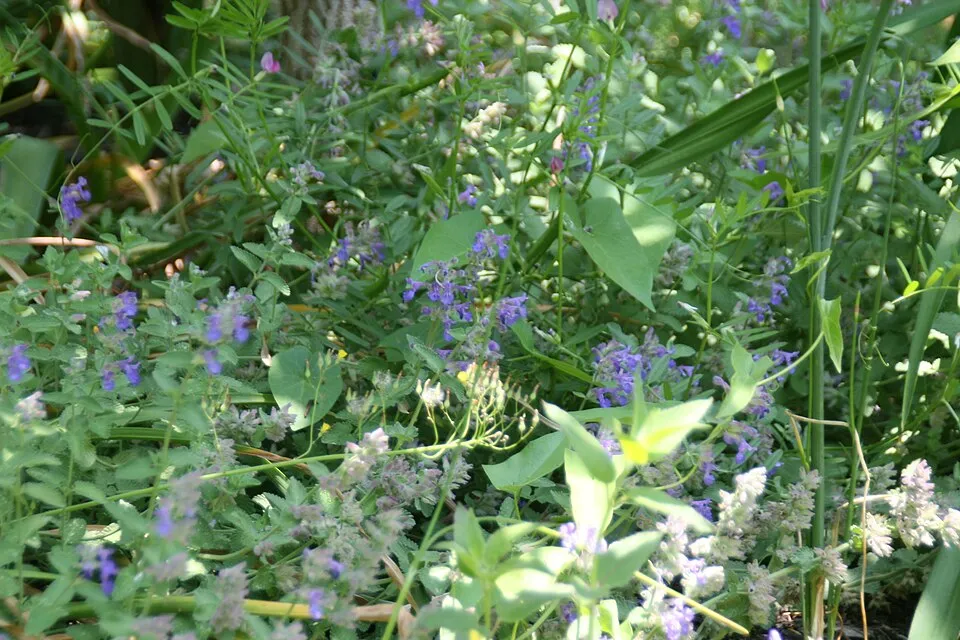
Calamintha nepeta, commonly known as Lesser Calamint or Nepitella, is a delightful herbaceous perennial belonging to the Lamiaceae family, which also includes other well-known aromatic plants like mints, thymes, and catnip. This charming plant typically forms an erect, bushy clump, reaching heights of 1 to 2 feet with a similar spread. Its stems are distinctly square, a characteristic feature of the mint family, and are covered in soft, fine hairs, as are its opposite, ovate-to-elliptic leaves.
The leaves are finely toothed along their margins and emit a strong, pleasant aroma when crushed, often described as a blend of mint and oregano with a hint of pennyroyal. In mid to late summer, from July through August, Calamintha nepeta produces delicate, somewhat inconspicuous tubular flowers that range in color from pale lavender to white, often with small purple spots on the lower lip. These small blossoms are arranged in loose whorls in the leaf axils and are highly attractive to pollinators, especially bees.
Native to southern Europe, northern Africa, and parts of Asia, Lesser Calamint thrives in a variety of habitats, including dry, rocky slopes, open woodlands, fields, and along roadsides. It is particularly well-adapted to Mediterranean climates, preferring sunny locations with well-drained soil. Its resilience and aromatic qualities have led to its naturalization in many temperate regions worldwide, making it a beloved garden plant and a subject of interest in ethnobotany.
Trusted Scientific References
1. Authoritative external sources for Calamintha nepeta
1.1 Wikipedia — Calamintha nepeta
1.2 Kew POWO (Plants of the World Online)
1.3 PubMed — peer-reviewed research
1.4 NCBI Taxonomy Browser
1.5 GBIF — Global Biodiversity
1.6Calamintha Nepeta should be interpreted through verified botanical identity, practical care, and responsible safety language. This recovery note adds the missing context needed for a complete profile: match light to the plant's habit, use well-drained soil, water according to season, and avoid unsupported medicinal or edible claims. For publishing, the plant can be presented as a source-backed garden plant with clear care guidance, common problem diagnosis, and conservative safety wording.
1.1.Calamintha Nepeta — Key Features
- ✓ <strong>Aromatic Herb</strong> — Emits a pleasant, minty-oregano scent when leaves are crushed.
- ✓ <strong>Bee Magnet</strong> — Flowers are highly attractive to bees and other pollinators.
- ✓ <strong>Culinary Versatility</strong> — Used in Mediterranean cuisine, particularly Italian (Nepitella).
- ✓ <strong>Medicinal History</strong> — Long tradition of use in European folk medicine and beyond.
- ✓ <strong>Anti</strong> — inflammatory & Antioxidant — Key therapeutic actions due to its phytochemical profile.
- ✓ <strong>Digestive Support</strong> — Valued for its carminative and antispasmodic properties.
- ✓ <strong>Hardy Perennial</strong> — Easy to grow and maintain in suitable climates.
- ✓ <strong>Lamiaceae Family Member</strong> — Shares characteristics with mints, thymes, and catnip.
- ✓ <strong>Drought Tolerant</strong> — Adaptable to dry conditions once established.
- ✓ <strong>Ornamental Value</strong> — Attractive bushy growth and delicate flowers for garden landscapes.
1.2.Calamintha Nepeta — Quick Summary
- ✓ Calamintha nepeta, or Lesser Calamint, is an aromatic perennial from the Lamiaceae family.
- ✓ Traditionally used for digestive health, anti-inflammatory action, and calming properties.
- ✓ Rich in essential oils, flavonoids, and phenolic acids contributing to its medicinal benefits.
- ✓ Cultivated for its ornamental and culinary value, it thrives in well-drained soil and full sun.
- ✓ Common uses include herbal teas, poultices, and essential oil for aromatherapy.
- ✓ Caution advised for pregnant individuals, children, and those with liver conditions or allergies.
2.Calamintha Nepeta — Scientific Identity
3.Calamintha Nepeta — Quick Facts
4.Calamintha Nepeta — Appearance & Identification
5.Calamintha Nepeta — Native Habitat
6.Calamintha Nepeta — Water Requirements
- ✓ Soil Preparation — Ensure well-drained, fertile soil enriched with organic matter; Calamintha nepeta prefers a pH range of 6.0 to 7.5.
- ✓ Planting Time — Best planted in spring after the last frost, or in early autumn in milder climates, allowing roots to establish before extreme temperatures.
- ✓ Sun Exposure — Requires full sun to partial shade; full sun promotes denser growth and more potent essential oil production.
- ✓ Watering — Provide adequate watering, especially during dry spells, but avoid over-watering to prevent root rot; allow soil to dry slightly between waterings.
- ✓ Pruning — Regular pruning after flowering encourages bushy growth, prevents legginess, and can extend the flowering period; cut back by about one-third.
- ✓ Propagation — Easily propagated by seeds sown outdoors in spring, by cuttings of side shoots taken in spring or early summer, or by division of roots in spring or autumn.
- ✓ Fertilization — Generally, Calamintha nepeta is not a heavy feeder; a light application of balanced organic fertilizer in spring is usually sufficient.
- ✓ Pest and Disease Management — Relatively pest and disease resistant; ensure good air circulation to prevent fungal issues in humid conditions.
Reviewed by the Flora Medical Global Botanical Review Panel
Multi-disciplinary editorial group · Botany · Ethnobotany · Herbal-medicine literature
Who reviewed this: This page was checked by the Flora Medical Global Botanical Review Panel — an in-house editorial group of botany graduates, ethnobotany researchers, and horticulture practitioners who collectively maintain our 7,000+ plant encyclopedia. Meet the team.
Our 4-step verification process
1. Taxonomic verification
Scientific names and synonyms cross-checked against Kew POWO, World Flora Online, and The Plant List.
2. Phytochemical & medicinal cross-reference
Active compounds, traditional uses, and reported activities are cross-referenced with PubMed, USDA Dr. Duke's database, and peer-reviewed ethnobotanical literature.
3. Conservation & distribution check
Distribution, ecology, and conservation status confirmed against GBIF occurrence records and the IUCN Red List.
4. Editorial & safety review
Every entry passes an editorial pass for clarity, originality, and safety notices (toxicity, contraindications, dosage caveats) before publication.
Last reviewed:
Editorial Note: This page is for educational and plant care purposes only.
Written by: Flora Medical Global Editorial Team
Reviewed by: Flora Medical Global Botanical Review Panel
Last Updated: June 15, 2026







Calamintha Nepeta — Comments & Community Reviews
Rate this plant