


Care Disclaimer: Plant care recommendations are general guidelines based on common growing conditions. Individual results may vary based on your local environment, climate, and care routine. If your plant is toxic, keep it away from children and pets, and consult a veterinarian if accidental ingestion occurs.
1.Camellia Garden — Overview
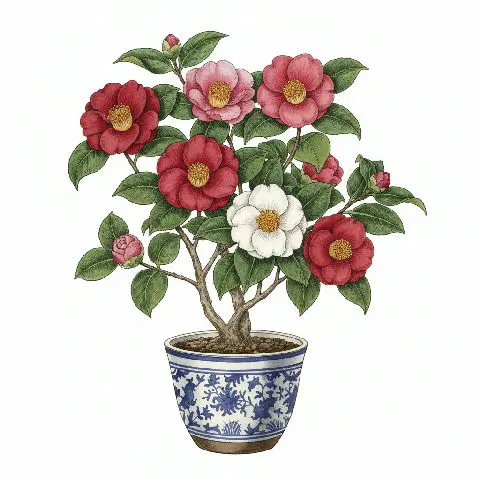
Camellia japonica, widely recognized as 'Camellia Garden' in horticultural circles, is an enduring evergreen shrub or small tree belonging to the Theaceae family. Native to the lush landscapes of East Asia, encompassing mainland China, Taiwan, Korea, and Japan, its historical roots are deeply intertwined with the cultural heritage of these regions, where its exquisite flowers have symbolized longevity, perfection, and steadfast love for centuries.
The plant's initial introduction to the Western world by Dutch traders in the 17th century was primarily as an ornamental novelty. However, its widespread cultivation and popularity truly blossomed in the 18th century, significantly aided by botanists like Robert Fortune, leading to extensive breeding efforts that have resulted in thousands of diverse cultivars varying in flower form, color, and size.
Botanically, Camellia japonica is characterized by its slow-growing habit, typically reaching heights of 1.5 to 6 meters (5 to 20 feet), though some specimens in their native habitat can soar up to 15 meters (49 feet). Its sturdy, woody stems support dense, glossy, dark green leaves that are ovate to elliptic in shape, measuring 5-11 cm long and 2.5-6 cm wide. These leaves possess finely serrated margins and a distinct leathery texture, maintaining their vibrant hue throughout the year.
The most striking feature of Camellia japonica is undoubtedly its spectacular flowers, which bloom predominantly from late autumn through early spring. These blooms, ranging from simple single-petal forms to complex fully double varieties, can measure 4-12 cm (1.6-4.7 inches) in diameter. Their colors span a magnificent spectrum including pure white, various shades of pink, and deep red, often displaying captivating variegations or blotches.
These early-season flowers serve as a crucial nectar source for pollinators when other flora remains dormant, underscoring the plant's ecological significance.
Trusted Scientific References
1. Authoritative external sources for Camellia japonica
1.1 Wikipedia — Camellia japonica
1.2 Kew POWO (Plants of the World Online)
1.3 PubMed — peer-reviewed research
1.4 NCBI Taxonomy Browser
1.5 GBIF — Global Biodiversity
1.1.Camellia Garden — Key Features
- ✓ <strong>Evergreen Shrub/Small Tree</strong> — Provides year-round foliage and structure.
- ✓ <strong>Spectacular Winter/Spring Blooms</strong> — Offers vibrant flowers when most other plants are dormant.
- ✓ <strong>Culturally Significant</strong> — Symbolizes longevity, perfection, and love in East Asian traditions.
- ✓ <strong>Rich in Antioxidants</strong> — Contains a high concentration of polyphenols and flavonoids.
- ✓ <strong>Source of Omega</strong> — 3 Fatty Acids — Contributes to cardiovascular and overall health.
- ✓ <strong>Adaptable Ornamental</strong> — Widely cultivated globally for its aesthetic appeal.
- ✓ <strong>Potential Functional Food Ingredient</strong> — Recognized for its nutritional and bioactive profile.
- ✓ <strong>Leathery, Glossy Leaves</strong> — Distinctive botanical characteristic.
- ✓ <strong>Moderate Water Requirements</strong> — Prefers consistent moisture but dislikes waterlogging.
- ✓ <strong>Diverse Cultivars</strong> — Thousands of varieties with varying flower forms, colors, and sizes.
1.2.Camellia Garden — Quick Summary
- ✓ Ornamental and Medicinal Dual Value — Celebrated for its beauty and emerging health benefits.
- ✓ Rich in Bioactive Compounds — Contains flavonoids, saponins, phenolic acids, and essential fatty acids.
- ✓ High Nutritional Value — Notably offers carbohydrates, protein, and omega-3 fatty acids.
- ✓ East Asian Origin and Cultural Significance — Deeply rooted in the traditions of China, Japan, and Korea.
- ✓ Supports Antioxidant and Anti-inflammatory Pathways — Contributes to overall cellular protection.
- ✓ Versatile Usage — From herbal teas and culinary garnishes to topical applications and functional ingredients.
2.Camellia Garden — Scientific Identity
3.Camellia Garden — Quick Facts
4.Camellia Garden — Appearance & Identification
5.Camellia Garden — Native Habitat
6.Camellia Garden — Water Requirements
- ✓ Soil Preference — Thrives in well-draining, acidic soil (pH 5.5-6.5) rich in organic matter.
- ✓ Light Requirements — Prefers partial shade, especially in hot climates, to protect from scorching sun, though some cultivars tolerate full sun.
- ✓ Watering — Requires consistent moisture, particularly during dry periods and bloom time; avoid waterlogging.
- ✓ Temperature and Hardiness — Generally hardy in USDA zones 7-9, tolerating mild frosts but susceptible to extreme cold.
- ✓ Propagation — Commonly propagated by cuttings, grafting, or layering, with seed propagation being slower and less reliable for cultivar reproduction.
- ✓ Pruning — Minimal pruning is needed, primarily to remove dead or diseased branches and to shape the plant after flowering.
- ✓ Fertilization — Benefits from slow-release, acid-forming fertilizers in early spring, avoiding high-nitrogen formulas.
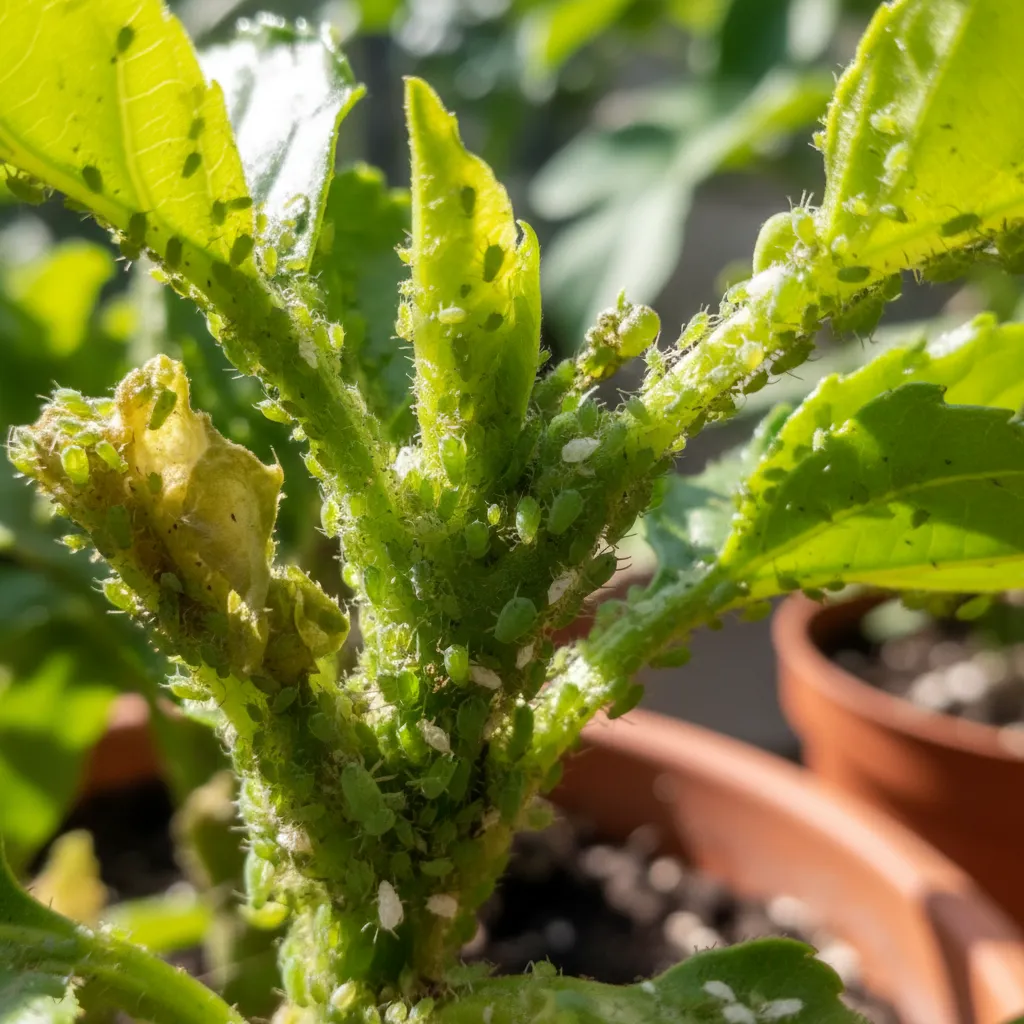
- ✓ Pest and Disease Management — Generally robust, but watch for common pests like scale insects and aphids, and diseases like camellia petal blight.
Reviewed by the Flora Medical Global Botanical Review Panel
Multi-disciplinary editorial group · Botany · Ethnobotany · Herbal-medicine literature
Who reviewed this: This page was checked by the Flora Medical Global Botanical Review Panel — an in-house editorial group of botany graduates, ethnobotany researchers, and horticulture practitioners who collectively maintain our 7,000+ plant encyclopedia. Meet the team.
Our 4-step verification process
1. Taxonomic verification
Scientific names and synonyms cross-checked against Kew POWO, World Flora Online, and The Plant List.
2. Phytochemical & medicinal cross-reference
Active compounds, traditional uses, and reported activities are cross-referenced with PubMed, USDA Dr. Duke's database, and peer-reviewed ethnobotanical literature.
3. Conservation & distribution check
Distribution, ecology, and conservation status confirmed against GBIF occurrence records and the IUCN Red List.
4. Editorial & safety review
Every entry passes an editorial pass for clarity, originality, and safety notices (toxicity, contraindications, dosage caveats) before publication.
Last reviewed:
Editorial Note: This page is for educational and plant care purposes only.
Written by: Flora Medical Global Editorial Team
Reviewed by: Flora Medical Global Botanical Review Panel
Last Updated: June 15, 2026







Camellia Garden — Comments & Community Reviews
Rate this plant