
Care Disclaimer: Plant care recommendations are general guidelines based on common growing conditions. Individual results may vary based on your local environment, climate, and care routine. If your plant is toxic, keep it away from children and pets, and consult a veterinarian if accidental ingestion occurs.
1.Camellia Japonica — Overview
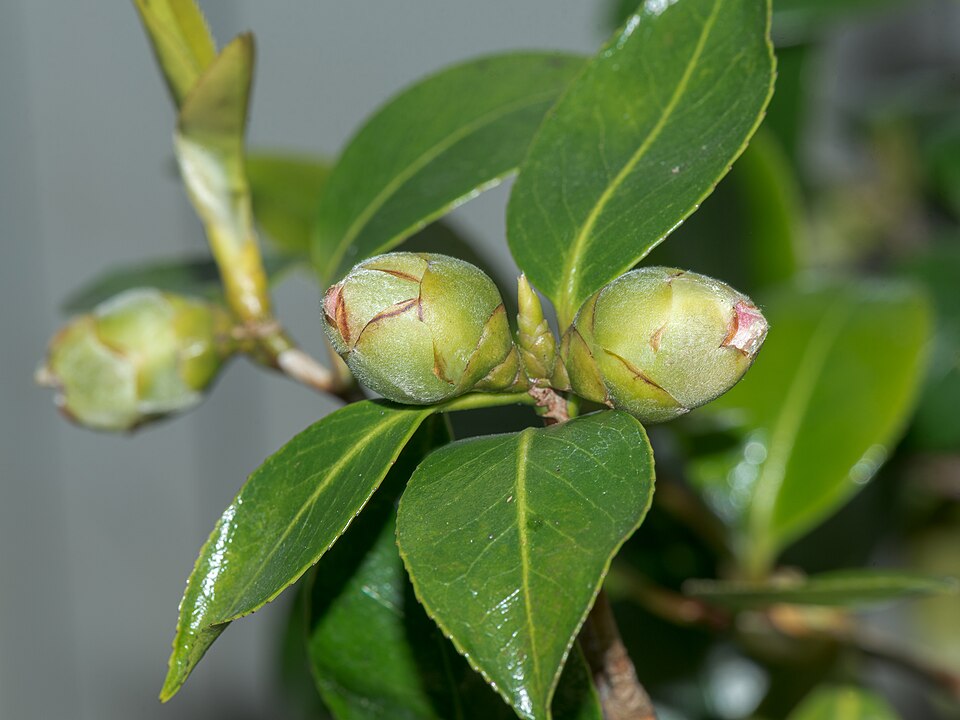
Camellia japonica, commonly known as the Japanese Camellia or Tsubaki in Japan, is a magnificent evergreen shrub or small tree belonging to the Theaceae family. Native to East Asia, particularly China, Korea, and Japan, it is renowned globally for its stunning, often large and showy flowers that bloom in late winter to early spring, adding vibrant color to landscapes when most other plants are dormant. The plant typically grows to heights of 1.5 to 6 meters, featuring glossy, dark green, ovate leaves with serrated margins arranged alternately along its sturdy branches.
Its bark is smooth and greyish. The flowers vary widely in form, from single to double, semi-double, anemone, and peony types, displaying a rich palette of colors including white, pink, red, and variegated patterns. While primarily cultivated as an ornamental, its robust nature and adaptability to diverse temperate and subtropical climates have also made it a subject of increasing interest in botanical research for its potential medicinal and nutritional applications.
The plant's deep roots in East Asian culture extend beyond aesthetics, hinting at a history of practical uses that modern science is now beginning to explore and validate.
Trusted Scientific References
1. Authoritative external sources for Camellia japonica
1.1 Wikipedia — Camellia japonica
1.2 Kew POWO (Plants of the World Online)
1.3 PubMed — peer-reviewed research
1.4 NCBI Taxonomy Browser
1.5 GBIF — Global Biodiversity
1.6Camellia Japonica should be interpreted through verified botanical identity, practical care, and responsible safety language. This recovery note adds the missing context needed for a complete profile: match light to the plant's habit, use well-drained soil, water according to season, and avoid unsupported medicinal or edible claims. For publishing, the plant can be presented as a source-backed garden plant with clear care guidance, common problem diagnosis, and conservative safety wording.
1.1.Camellia Japonica — Key Features
- ✓ <strong>Botanical Name</strong> — Camellia japonica.
- ✓ <strong>Common Names</strong> — Japanese Camellia, Tsubaki.
- ✓ <strong>Family</strong> — Theaceae.
- ✓ <strong>Primary Uses</strong> — Ornamental, traditional medicine, cosmetics, emerging nutraceutical.
- ✓ <strong>Key Constituents</strong> — Flavonoids, phenolic acids, omega-3 fatty acids, saponins.
- ✓ <strong>Actions</strong> — Antioxidant, anti-inflammatory, antimicrobial, moisturizing, nourishing.
- ✓ <strong>Plant Parts Used</strong> — Leaves, flowers, seeds (for oil).
- ✓ <strong>Habitat</strong> — Native to East Asia (China, Korea, Japan), widely cultivated globally.
- ✓ <strong>Growth Habit</strong> — Evergreen shrub or small tree, known for winter/spring blooms.
- ✓ <strong>Unique Aspect</strong> — Flowers are recognized for significant nutritional value, including protein and polyunsaturated fats.
1.2.Camellia Japonica — Quick Summary
- ✓ Camellia japonica, or Japanese Camellia, is a renowned ornamental plant with emerging medicinal and nutritional applications.
- ✓ It is rich in antioxidants like flavonoids and phenolic acids, and its flowers contain beneficial omega-3 fatty acids and proteins.
- ✓ Traditionally used for anti-inflammatory, antimicrobial, and skin-soothing properties, it also aids digestion and respiratory comfort.
- ✓ The plant's seed oil is highly valued in cosmetics for skin and hair nourishment.
- ✓ Cultivation requires acidic, well-drained soil and partial shade, with regular watering.
- ✓ Generally safe for use, but caution is advised for pregnant/nursing individuals and those with allergies.
2.Camellia Japonica — Scientific Identity
3.Camellia Japonica — Quick Facts
4.Camellia Japonica — Appearance & Identification
5.Camellia Japonica — Native Habitat
6.Camellia Japonica — Water Requirements
- ✓ Soil Preference — Thrives in well-drained, acidic soil (pH 5.5-6.5) rich in organic matter; heavy clay or alkaline soils should be amended.
- ✓ Light Requirements — Prefers partial shade, especially protection from harsh afternoon sun, though some varieties tolerate full sun in cooler climates.
- ✓ Watering — Requires consistent moisture, particularly during dry spells; avoid waterlogging, which can lead to root rot.
- ✓ Propagation — Can be propagated by seeds (slow germination), semi-hardwood cuttings in summer, or grafting for specific cultivars.
- ✓ Fertilization — Apply a slow-release, acid-loving fertilizer in early spring and again in mid-summer to support healthy growth and abundant blooms.
- ✓ Pruning — Prune immediately after flowering to shape the plant, remove dead or crossing branches, and encourage denser growth.
- ✓ Climate — Best suited for USDA hardiness zones 7-9, requiring protection from severe frost when young or in colder regions.
- ✓ Pest and Disease Management — Monitor for common issues like camellia scale, aphids, and petal blight; ensure good air circulation to prevent fungal diseases.
Reviewed by the Flora Medical Global Botanical Review Panel
Multi-disciplinary editorial group · Botany · Ethnobotany · Herbal-medicine literature
Who reviewed this: This page was checked by the Flora Medical Global Botanical Review Panel — an in-house editorial group of botany graduates, ethnobotany researchers, and horticulture practitioners who collectively maintain our 7,000+ plant encyclopedia. Meet the team.
Our 4-step verification process
1. Taxonomic verification
Scientific names and synonyms cross-checked against Kew POWO, World Flora Online, and The Plant List.
2. Phytochemical & medicinal cross-reference
Active compounds, traditional uses, and reported activities are cross-referenced with PubMed, USDA Dr. Duke's database, and peer-reviewed ethnobotanical literature.
3. Conservation & distribution check
Distribution, ecology, and conservation status confirmed against GBIF occurrence records and the IUCN Red List.
4. Editorial & safety review
Every entry passes an editorial pass for clarity, originality, and safety notices (toxicity, contraindications, dosage caveats) before publication.
Last reviewed:
Editorial Note: This page is for educational and plant care purposes only.
Written by: Flora Medical Global Editorial Team
Reviewed by: Flora Medical Global Botanical Review Panel
Last Updated: June 15, 2026







Camellia Japonica — Comments & Community Reviews
Rate this plant