

Care Disclaimer: Plant care recommendations are general guidelines based on common growing conditions. Individual results may vary based on your local environment, climate, and care routine. If your plant is toxic, keep it away from children and pets, and consult a veterinarian if accidental ingestion occurs.
1.Centaurea Dealbata — Overview
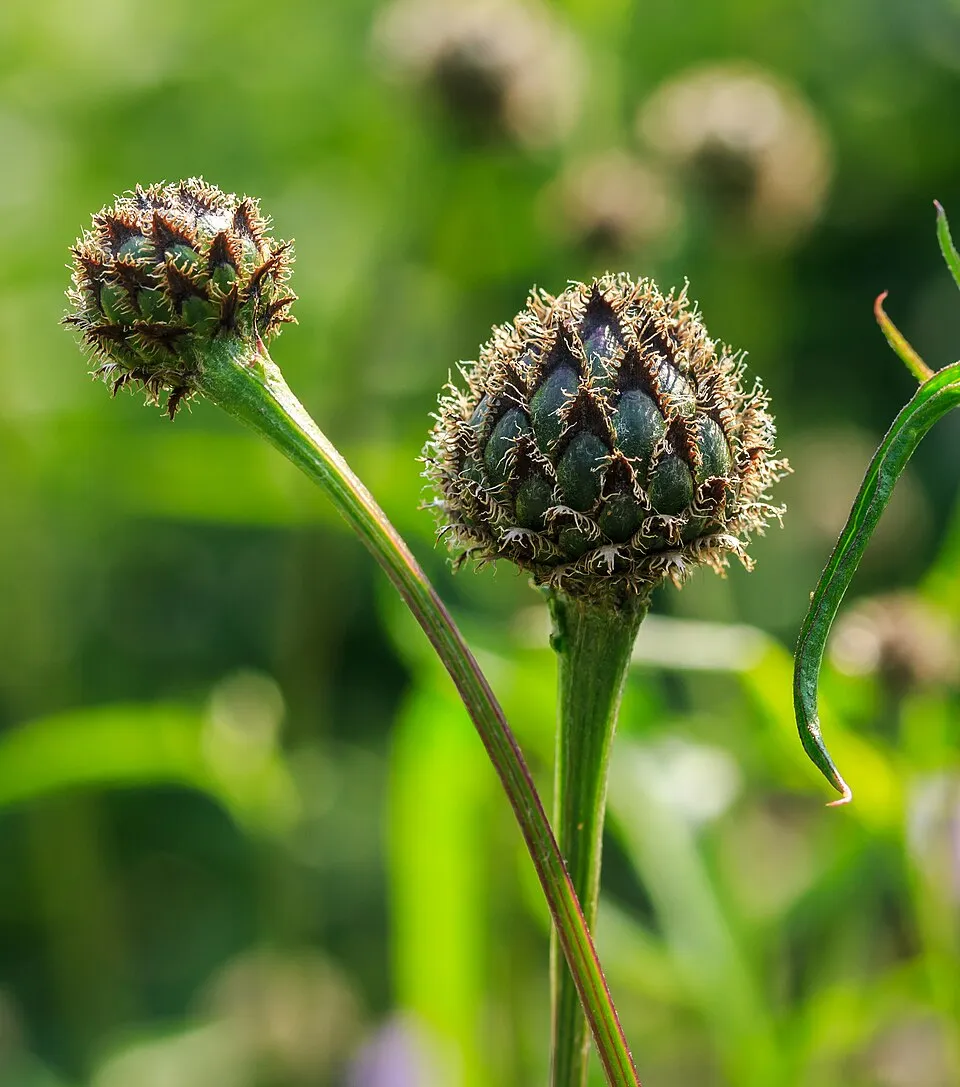
Centaurea Dealbata, commonly known as Persian Cornflower or Whitewash Cornflower, is an exquisite perennial herb belonging to the Asteraceae family. Native to the Caucasus region, specifically Armenia, Azerbaijan, Georgia, Iran, and Turkey, it thrives in rocky slopes, open woodlands, and grasslands, adapting to a range of temperate conditions. This robust plant typically forms a bushy mound, reaching heights of 30 to 60 centimeters (12 to 24 inches) with a spread of similar dimensions, though it can occasionally grow taller.
Its distinctive foliage consists of deeply lobed, pinnatifid leaves that are silvery-green on the upper surface and often covered with a fine white tomentum (hairy coating) underneath, providing a striking textural contrast. The magnificent flowers, which bloom profusely from late spring through early summer, are large, thistle-like capitula, typically a vibrant fuchsia-pink or magenta with a contrasting creamy-white or pale yellow center, giving it the 'whitewash' moniker. Each solitary flower head is borne on sturdy, upright stems, attracting a host of pollinators.
Centaurea Dealbata is highly valued in horticulture for its ornamental appeal, drought tolerance, and ability to naturalize in suitable environments, making it a popular choice for borders, rock gardens, and naturalized areas. Its resilience and unique floral structure contribute significantly to garden biodiversity and aesthetic charm.
Trusted Scientific References
1. Authoritative external sources for Centaurea Dealbata
1.1 Wikipedia — Centaurea Dealbata
1.2 Kew POWO (Plants of the World Online)
1.3 PubMed — peer-reviewed research
1.4 NCBI Taxonomy Browser
1.5 GBIF — Global Biodiversity
1.6Centaurea Dealbata should be interpreted through verified botanical identity, practical care, and responsible safety language. This recovery note adds the missing context needed for a complete profile: match light to the plant's habit, use well-drained soil, water according to season, and avoid unsupported medicinal or edible claims. For publishing, the plant can be presented as a source-backed garden plant with clear care guidance, common problem diagnosis, and conservative safety wording.
1.1.Centaurea Dealbata — Key Features
- ✓ <strong>Vibrant magenta</strong> — pink, thistle-like flowers with white centers
- ✓ <strong>Distinctive silvery</strong> — green, deeply lobed foliage
- ✓ <strong>Hardy perennial, suitable for USDA Zones 3</strong> — 8
- ✓ <strong>Native to the</strong> — Native to the Caucasus region
- ✓ <strong>Drought</strong> — tolerant once established
- ✓ <strong>Attracts pollinators like</strong> — Attracts pollinators like bees and butterflies
- ✓ <strong>Rich in antioxidant flavonoids and anti</strong> — inflammatory sesquiterpene lactones
- ✓ <strong>Potential traditional uses</strong> — Potential traditional uses for inflammation and digestive support
- ✓ <strong>Low</strong> — maintenance ornamental plant
- ✓ <strong>Ideal for borders,</strong> — Ideal for borders, rock gardens, and naturalized areas
1.2.Centaurea Dealbata — Quick Summary
- ✓ Centaurea Dealbata, or Persian Cornflower, is an ornamental perennial known for its vibrant magenta-pink, thistle-like flowers and silvery-green foliage.
- ✓ Native to the Caucasus, it's widely cultivated for its aesthetic appeal and drought tolerance in temperate gardens.
- ✓ Rich in beneficial compounds like flavonoids, phenolic acids, and sesquiterpene lactones, contributing to its potential medicinal properties.
- ✓ Traditionally valued for its antioxidant, anti-inflammatory, and mild digestive support in folk medicine.
- ✓ Requires well-drained soil and full sun, making it a low-maintenance addition to diverse landscapes.
- ✓ Caution is advised due to potential allergic reactions, drug interactions, and lack of safety data for specific populations.
2.Centaurea Dealbata — Scientific Identity
3.Centaurea Dealbata — Quick Facts
4.Centaurea Dealbata — Appearance & Identification
5.Centaurea Dealbata — Native Habitat
6.Centaurea Dealbata — Water Requirements
- ✓ Climate and Hardiness — Centaurea Dealbata thrives in temperate climates, hardy in USDA Zones 3-8, tolerating cold winters and hot summers.
- ✓ Sunlight Requirements — Prefers full sun exposure (at least 6 hours direct sunlight daily) for optimal growth and abundant flowering.
- ✓ Soil Preferences — Requires well-drained soil; tolerates average to poor soil but prefers moderately fertile, neutral to slightly alkaline conditions.
- ✓ Watering Regimen — Drought-tolerant once established, but benefits from moderate, regular watering, especially during prolonged dry spells and blooming periods.
- ✓ Planting and Propagation — Can be propagated by seed (sown in spring or fall), division of clumps in spring, or stem cuttings.
- ✓ Maintenance and Pruning — Deadhead spent flowers to encourage continuous blooming and prevent self-seeding; prune back foliage after flowering to maintain a tidy appearance.
- ✓ Fertilization — Generally not a heavy feeder; a light application of balanced granular fertilizer in early spring can promote vigorous growth.
- ✓ Pest and Disease Resistance — Highly resistant to most common pests and diseases, though occasionally susceptible to powdery mildew in humid conditions or aphids.
Reviewed by the Flora Medical Global Botanical Review Panel
Multi-disciplinary editorial group · Botany · Ethnobotany · Herbal-medicine literature
Who reviewed this: This page was checked by the Flora Medical Global Botanical Review Panel — an in-house editorial group of botany graduates, ethnobotany researchers, and horticulture practitioners who collectively maintain our 7,000+ plant encyclopedia. Meet the team.
Our 4-step verification process
1. Taxonomic verification
Scientific names and synonyms cross-checked against Kew POWO, World Flora Online, and The Plant List.
2. Phytochemical & medicinal cross-reference
Active compounds, traditional uses, and reported activities are cross-referenced with PubMed, USDA Dr. Duke's database, and peer-reviewed ethnobotanical literature.
3. Conservation & distribution check
Distribution, ecology, and conservation status confirmed against GBIF occurrence records and the IUCN Red List.
4. Editorial & safety review
Every entry passes an editorial pass for clarity, originality, and safety notices (toxicity, contraindications, dosage caveats) before publication.
Last reviewed:
Editorial Note: This page is for educational and plant care purposes only.
Written by: Flora Medical Global Editorial Team
Reviewed by: Flora Medical Global Botanical Review Panel
Last Updated: June 15, 2026







Centaurea Dealbata — Comments & Community Reviews
Rate this plant