


Care Disclaimer: Plant care recommendations are general guidelines based on common growing conditions. Individual results may vary based on your local environment, climate, and care routine. If your plant is toxic, keep it away from children and pets, and consult a veterinarian if accidental ingestion occurs.
1.Chrysanthemum Spider — Overview
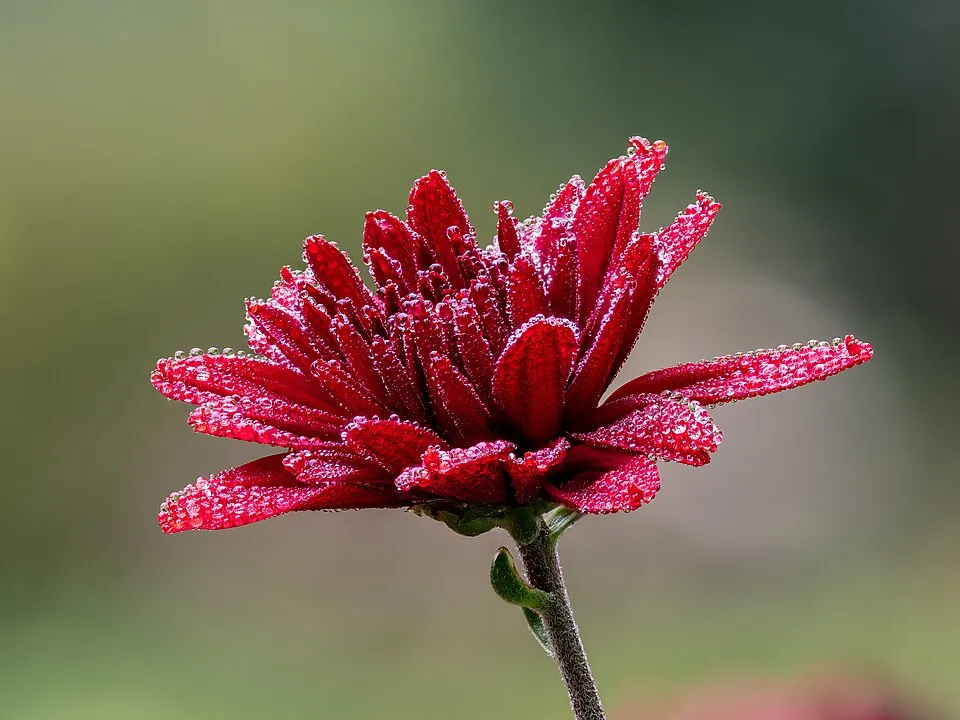
The Chrysanthemum Spider, widely recognized as the Spider Mum, represents a distinctive cultivar group of Chrysanthemum morifolium, a prominent perennial herbaceous plant within the expansive Asteraceae family. This ornamental marvel is celebrated for its truly unique floral morphology, characterized by exceptionally long, slender, and gracefully reflexed petals that radiate outwards, creating an elegant, spidery aesthetic. Its captivating blooms present a vibrant spectrum of colors, encompassing radiant yellows, pristine whites, soft pinks, and rich purples, making it a highly sought-after choice for both horticultural displays and sophisticated floral arrangements.
Typically, the plant achieves a stature of approximately 60 to 90 centimeters (24 to 36 inches) and exhibits a robust, bushy growth habit. Numerous sturdy stems emerge, adorned with lush, deeply lobed, dark green foliage, with individual leaves reaching lengths of 10 to 15 centimeters (4 to 6 inches), further enhancing its decorative appeal. Chrysanthemum Spider thrives optimally in temperate climates, preferring well-drained soils with a slightly acidic to neutral pH.
It flourishes under conditions ranging from full sun to partial shade, requiring moderate but consistent watering to maintain its vitality. These plants are frequently cultivated in clusters, creating breathtaking autumn displays that provide much-needed color as other garden plants begin to fade. Beyond its visual splendor, it plays an ecological role by attracting beneficial pollinators such as bees and butterflies, contributing to garden biodiversity.
Trusted Scientific References
1. Authoritative external sources for Chrysanthemum Spider
1.1 Wikipedia — Chrysanthemum Spider
1.2 Kew POWO (Plants of the World Online)
1.3 PubMed — peer-reviewed research
1.4 NCBI Taxonomy Browser
1.5 GBIF — Global Biodiversity
1.6Chrysanthemum Spider should be interpreted through verified botanical identity, practical care, and responsible safety language. This recovery note adds the missing context needed for a complete profile: match light to the plant's habit, use well-drained soil, water according to season, and avoid unsupported medicinal or edible claims. For publishing, the plant can be presented as a source-backed garden plant with clear care guidance, common problem diagnosis, and conservative safety wording.
1.1.Chrysanthemum Spider — Key Features
- ✓ <strong>Distinctive Floral Morphology</strong> — Features long, slender, reflexed petals that create a unique 'spidery' or 'spider mum' appearance.
- ✓ <strong>Ornamental Value</strong> — Highly prized for its aesthetic appeal in gardens, floral arrangements, and as a late-season bloomer.
- ✓ <strong>Traditional Chinese Medicine (TCM) Herb</strong> — Widely used in TCM for its cooling, detoxifying, and vision-improving properties.
- ✓ <strong>Rich Phytochemical Profile</strong> — Contains a diverse array of bioactive compounds including flavonoids, phenolic acids, triterpenoids, and carotenoids.
- ✓ <strong>Anti</strong> — inflammatory Actions — Active compounds help to mitigate inflammation pathways within the body.
- ✓ <strong>Potent Antioxidant Capacity</strong> — Effectively combats oxidative stress by neutralizing harmful free radicals.
- ✓ <strong>Hepatoprotective Benefits</strong> — Supports and protects liver function, aiding in detoxification processes.
- ✓ <strong>Ocular Health Support</strong> — Specific carotenoids contribute to maintaining healthy vision and protecting eye tissues.
- ✓ <strong>Natural Antipyretic</strong> — Traditionally employed to reduce fevers and alleviate heat-related symptoms.
- ✓ <strong>Adaptable Cultivation</strong> — Thrives in temperate climates with moderate care, making it suitable for various garden settings.
1.2.Chrysanthemum Spider — Quick Summary
- ✓ Chrysanthemum Spider is an ornamental cultivar of Chrysanthemum morifolium, known for its unique 'spidery' petals.
- ✓ Traditionally valued in TCM for its anti-inflammatory, antioxidant, and fever-reducing properties.
- ✓ Rich in flavonoids (quercetin, luteolin) and phenolic acids (chlorogenic acid).
- ✓ Commonly consumed as a tea to support liver health, improve eyesight, and alleviate headaches.
- ✓ Requires well-drained soil, full sun to partial shade, and moderate watering for optimal growth.
- ✓ Potential side effects include allergic reactions and interactions with certain medications.
2.Chrysanthemum Spider — Scientific Identity
3.Chrysanthemum Spider — Quick Facts
4.Chrysanthemum Spider — Appearance & Identification
5.Chrysanthemum Spider — Native Habitat
6.Chrysanthemum Spider — Water Requirements
- ✓ Soil Preference — Thrives in well-drained loamy soil with a pH range of 6.0 to 7.0; avoid heavy, waterlogged conditions.
- ✓ Light Requirements — Prefers full sun for at least 6 hours daily, but can tolerate partial shade, especially in hotter climates.
- ✓ Watering Regimen — Requires moderate, consistent watering; keep soil moist but not soggy, especially during dry periods.
- ✓ Propagation Techniques — Easily propagated via stem cuttings in spring or by division of mature clumps every 2-3 years.
- ✓ Pinching and Pruning — Pinch back young shoots several times before mid-July to encourage bushier growth and more blooms.
- ✓ Fertilization Schedule — Apply a balanced fertilizer every 2-4 weeks during the growing season until buds show color.
- ✓ Pest and Disease Management — Monitor for aphids, spider mites, and powdery mildew; use organic or chemical controls as needed.
- ✓ Overwintering Care — In colder zones, mulch heavily or lift and store rhizomes indoors to protect from freezing temperatures.
Reviewed by the Flora Medical Global Botanical Review Panel
Multi-disciplinary editorial group · Botany · Ethnobotany · Herbal-medicine literature
Who reviewed this: This page was checked by the Flora Medical Global Botanical Review Panel — an in-house editorial group of botany graduates, ethnobotany researchers, and horticulture practitioners who collectively maintain our 7,000+ plant encyclopedia. Meet the team.
Our 4-step verification process
1. Taxonomic verification
Scientific names and synonyms cross-checked against Kew POWO, World Flora Online, and The Plant List.
2. Phytochemical & medicinal cross-reference
Active compounds, traditional uses, and reported activities are cross-referenced with PubMed, USDA Dr. Duke's database, and peer-reviewed ethnobotanical literature.
3. Conservation & distribution check
Distribution, ecology, and conservation status confirmed against GBIF occurrence records and the IUCN Red List.
4. Editorial & safety review
Every entry passes an editorial pass for clarity, originality, and safety notices (toxicity, contraindications, dosage caveats) before publication.
Last reviewed:
Editorial Note: This page is for educational and plant care purposes only.
Written by: Flora Medical Global Editorial Team
Reviewed by: Flora Medical Global Botanical Review Panel
Last Updated: June 15, 2026







Chrysanthemum Spider — Comments & Community Reviews
Rate this plant