
Care Disclaimer: Plant care recommendations are general guidelines based on common growing conditions. Individual results may vary based on your local environment, climate, and care routine. If your plant is toxic, keep it away from children and pets, and consult a veterinarian if accidental ingestion occurs.
1.Cleyera Japonica — Overview
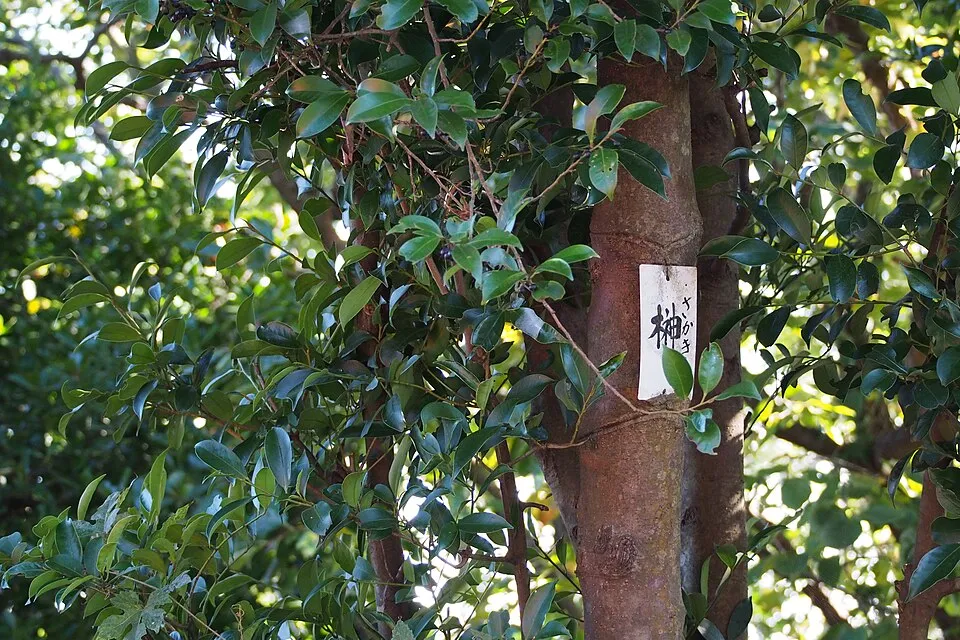
Cleyera japonica, commonly known as Japanese Cleyera or Sakaki, is a highly esteemed evergreen shrub or small tree native to warm-temperate regions of East Asia, encompassing Japan, Korea, and parts of China. Belonging to the family Pentaphylacaceae, a botanical classification recently revised from the traditional Theaceae, this species typically attains a height of 3 to 10 meters, though it can grow taller in ideal forest conditions, sometimes reaching up to 15 meters. Its robust, upright growth habit makes it a prominent feature in its natural habitat, often forming dense understory layers or elegant specimens along forest edges. The foliage is perhaps its most striking feature: the leaves are simple, alternate, and distinctively glossy, leathery, and dark green, providing a vibrant, lush appearance year-round.
They are ovate to elliptical in shape, measuring approximately 5-10 cm in length and 2-4 cm in width, characterized by a smooth or subtly undulate margin and a prominent midrib that often displays a reddish hue on the underside. Young leaves often emerge with a reddish-bronze tint before maturing to their deep green. The bark is smooth and reddish-brown when young, gradually becoming grayer and slightly fissured with age. In late spring to early summer, Cleyera japonica produces small, pendulous, bell-shaped flowers that are creamy white to pale yellow.
These blossoms, often solitary or in small clusters in the leaf axils, are highly fragrant, emitting a sweet, delicate scent that attracts a diverse array of pollinators, including bees, butterflies, and other beneficial insects. Following successful pollination, the plant develops small, spherical to ovoid fruits, typically 5-8 mm in diameter, which mature from green to a striking glossy red or black in autumn and persist through winter, offering a valuable food source for birds and adding ornamental value. The root system is generally fibrous and extensive, aiding in soil stabilization and nutrient absorption in its preferred well-drained, organic-rich soils. This plant is also culturally significant, particularly in Shinto rituals, where its evergreen branches symbolize eternity.
Trusted Scientific References
1. Authoritative external sources for Cleyera japonica
1.1 Wikipedia — Cleyera japonica
1.2 Kew POWO (Plants of the World Online)
1.3 PubMed — peer-reviewed research
1.4 NCBI Taxonomy Browser
1.5 GBIF — Global Biodiversity
1.1.Cleyera Japonica — Key Features
- ✓ <strong>Broadleaf Evergreen</strong> — Maintains lush foliage year-round, providing consistent visual interest.
- ✓ <strong>Fragrant Flowers</strong> — Emits a sweet, delicate scent from small, creamy white blossoms in late spring to early summer.
- ✓ <strong>Showy Winter Berries</strong> — Produces glossy red or black fruits that persist through the colder months, offering visual appeal and wildlife food.
- ✓ <strong>Cultural Significance</strong> — Highly sacred in Japan's Shinto religion (Sakaki), symbolizing eternity and divine connection.
- ✓ <strong>Drought Tolerant</strong> — Once established, demonstrates good resistance to dry conditions, making it relatively low maintenance.
- ✓ <strong>Shade Tolerant</strong> — Adaptable to various light conditions, from full sun to nearly full shade, especially in warmer climates.
- ✓ <strong>Fine Texture</strong> — The dense, glossy foliage creates a refined and elegant appearance in landscapes.
- ✓ <strong>Soil Stabilization</strong> — Extensive fibrous root system helps prevent erosion and improves soil structure.
- ✓ <strong>Wildlife Attractor</strong> — Flowers attract pollinators, and berries provide food for birds.
- ✓ <strong>Low Maintenance</strong> — Requires minimal care once established, making it a popular choice for various garden designs.
1.2.Cleyera Japonica — Quick Summary
- ✓ Evergreen shrub native to East Asia, culturally significant in Shinto.
- ✓ Glossy, dark green leaves and fragrant, bell-shaped white flowers.
- ✓ Produces striking red-to-black berries that persist through winter.
- ✓ Not widely recognized for traditional medicinal uses in major systems.
- ✓ Contains potential antioxidants and astringent compounds like flavonoids and tannins.
- ✓ Primarily valued for ornamental beauty, hedging, and cultural practices.
2.Cleyera Japonica — Scientific Identity
3.Cleyera Japonica — Quick Facts
4.Cleyera Japonica — Appearance & Identification
5.Cleyera Japonica — Native Habitat
6.Cleyera Japonica — Water Requirements
- ✓ Light Requirements — Prefers full sun to partial shade; tolerates almost full shade, but appreciates afternoon shade in hot southern climates.
- ✓ Soil Preferences — Thrives in high organic matter, well-drained soils; adaptable to various soil types but avoids waterlogging.
- ✓ Watering Schedule — Once established, Cleyera japonica is quite drought tolerant, but requires regular watering during prolonged dry spells.
- ✓ Wind Protection — Plant in an area with some protection from strong winds, as it can be prone to wind damage.
- ✓ Hardiness Zones — Suitable for USDA Plant Hardiness Zones 6a through 9b, demonstrating resilience to a range of temperate conditions.
- ✓ Pruning — Generally low maintenance; prune selectively to maintain desired shape, remove dead or damaged branches, and encourage denser growth.
- ✓ Fertilization — Benefits from a balanced, slow-release fertilizer in spring, especially in nutrient-poor soils, to support vigorous growth.
- ✓ Propagation — Can be propagated by semi-hardwood cuttings taken in summer or by seeds, which require stratification for successful germination.
Reviewed by the Flora Medical Global Botanical Review Panel
Multi-disciplinary editorial group · Botany · Ethnobotany · Herbal-medicine literature
Who reviewed this: This page was checked by the Flora Medical Global Botanical Review Panel — an in-house editorial group of botany graduates, ethnobotany researchers, and horticulture practitioners who collectively maintain our 7,000+ plant encyclopedia. Meet the team.
Our 4-step verification process
1. Taxonomic verification
Scientific names and synonyms cross-checked against Kew POWO, World Flora Online, and The Plant List.
2. Phytochemical & medicinal cross-reference
Active compounds, traditional uses, and reported activities are cross-referenced with PubMed, USDA Dr. Duke's database, and peer-reviewed ethnobotanical literature.
3. Conservation & distribution check
Distribution, ecology, and conservation status confirmed against GBIF occurrence records and the IUCN Red List.
4. Editorial & safety review
Every entry passes an editorial pass for clarity, originality, and safety notices (toxicity, contraindications, dosage caveats) before publication.
Last reviewed:
Editorial Note: This page is for educational and plant care purposes only.
Written by: Flora Medical Global Editorial Team
Reviewed by: Flora Medical Global Botanical Review Panel
Last Updated: June 15, 2026







Cleyera Japonica — Comments & Community Reviews
Rate this plant