

Care Disclaimer: Plant care recommendations are general guidelines based on common growing conditions. Individual results may vary based on your local environment, climate, and care routine. If your plant is toxic, keep it away from children and pets, and consult a veterinarian if accidental ingestion occurs.
1.Colocasia Garden — Overview
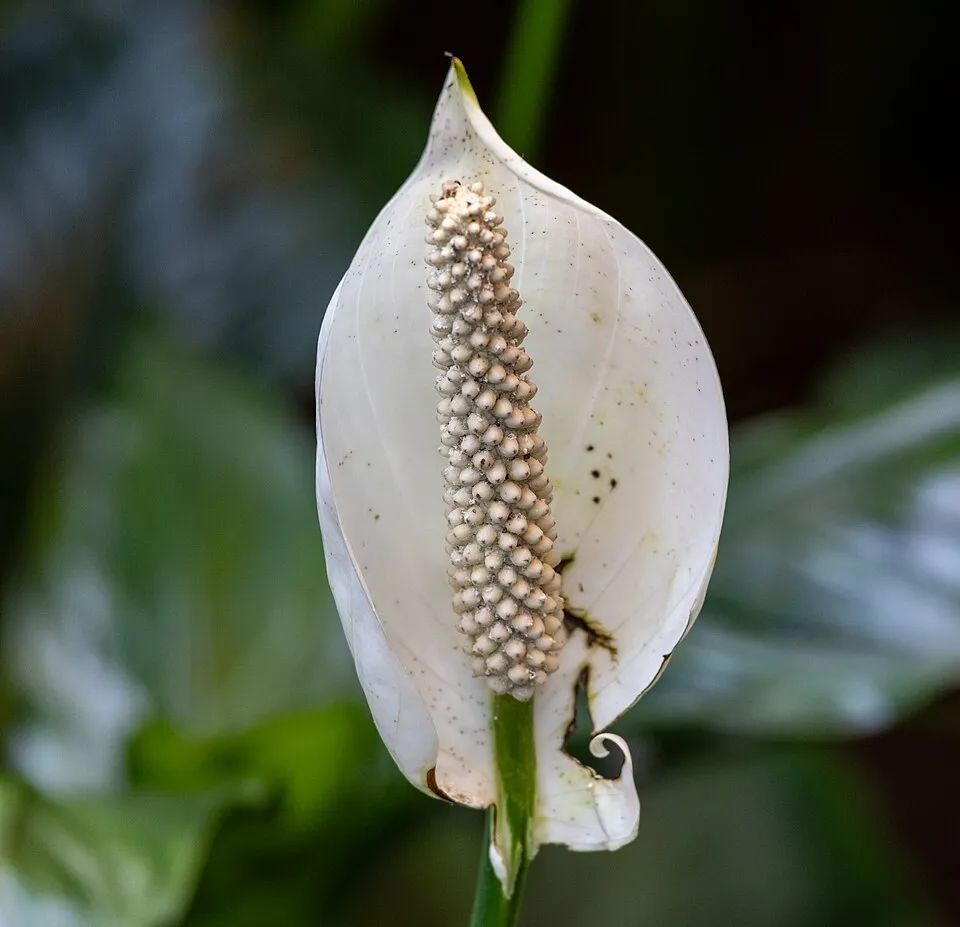
Colocasia Garden, scientifically known as Colocasia esculenta, is a striking herbaceous perennial belonging to the Araceae family, widely recognized for its dramatic foliage and edible corms. This plant typically achieves a height of up to 1.5 meters (5 feet), though some cultivars can grow larger, creating a lush, tropical aesthetic. Its most distinctive feature is its immense, heart-shaped to sagittate leaves, which can reach impressive dimensions of up to 90 centimeters (35 inches) in length and 70 centimeters (27 inches) in width.
These leaves are typically a vibrant, glossy green, contributing significantly to its ornamental appeal, often earning it the common name 'Elephant Ear'. The plant's robust, fleshy stems are adept at water storage, enhancing its resilience in diverse environments. While primarily valued for its foliage and underground corms, Colocasia esculenta does produce a characteristic inflorescence—a greenish-white spathe enveloping a spadix—though flowering is less frequent in cultivated specimens.
Native to tropical and subtropical regions, particularly Southeast Asia, parts of Africa, and South America, Colocasia esculenta thrives in moist, marshy conditions and rich, loamy soils. Taxonomically, it is a key member of the Araceae family, known for its diverse and often economically important species. Beyond its ornamental use, its corms are a staple food crop in many cultures, often referred to as 'Taro' or 'Dasheen', highlighting its versatility as both a garden specimen and a vital food source.
Trusted Scientific References
1. Authoritative external sources for Colocasia esculenta garden
1.1 Wikipedia — Colocasia esculenta garden
1.2 Kew POWO (Plants of the World Online)
1.3 PubMed — peer-reviewed research
1.4 NCBI Taxonomy Browser
1.5 GBIF — Global Biodiversity
1.6Colocasia Garden should be interpreted through verified botanical identity, practical care, and responsible safety language. This recovery note adds the missing context needed for a complete profile: match light to the plant's habit, use well-drained soil, water according to season, and avoid unsupported medicinal or edible claims. For publishing, the plant can be presented as a source-backed garden plant with clear care guidance, common problem diagnosis, and conservative safety wording.
1.1.Colocasia Garden — Key Features
- ✓ <strong>Large, heart</strong> — shaped to sagittate leaves, providing a dramatic tropical aesthetic.
- ✓ <strong>Edible underground corms,</strong> — Edible underground corms, commonly known as Taro or Dasheen, a global staple food.
- ✓ <strong>Native to tropical</strong> — Native to tropical and subtropical regions, thriving in warm, moist environments.
- ✓ <strong>Contains calcium oxalate</strong> — Contains calcium oxalate crystals, requiring thorough cooking to remove irritants.
- ✓ <strong>Rich in dietary</strong> — Rich in dietary fiber, complex carbohydrates, and essential vitamins and minerals.
- ✓ <strong>Valued in traditional</strong> — Valued in traditional medicine systems for its cooling and digestive properties.
- ✓ <strong>Adaptable plant, used</strong> — Adaptable plant, used ornamentally as 'Elephant Ears' or as a houseplant.
- ✓ <strong>Fleshy, succulent stems</strong> — Fleshy, succulent stems allow for efficient water storage.
- ✓ <strong>Exhibits a clumping</strong> — Exhibits a clumping growth habit, growing from a central corm.
1.2.Colocasia Garden — Quick Summary
- ✓ Colocasia esculenta, or Taro/Elephant Ear, is a tropical perennial with large, ornamental leaves and edible corms.
- ✓ Its corms are a staple food, rich in complex carbohydrates, fiber, vitamins, and minerals.
- ✓ Traditionally used in Ayurveda and TCM for digestive issues, inflammation, and energy.
- ✓ Contains calcium oxalate crystals in its raw state, necessitating thorough cooking before consumption.
- ✓ Offers nutritional benefits including digestive support, blood sugar regulation, and antioxidant activity.
2.Colocasia Garden — Scientific Identity
3.Colocasia Garden — Quick Facts
4.Colocasia Garden — Appearance & Identification
5.Colocasia Garden — Native Habitat
6.Colocasia Garden — Water Requirements
- ✓ Site Selection — Prefers partial shade to filtered sun; too much direct sun can scorch leaves, while deep shade can reduce vigor.
- ✓ Soil Requirements — Thrives in moist, rich, well-draining, loamy soils with a slightly acidic to neutral pH (6.0-7.0).
- ✓ Watering — Requires consistently moist to wet conditions; ideal for water gardens or edges of ponds, should never be allowed to dry out.
- ✓ Propagation — Primarily propagated from corms or cormels (offsets), which can be divided from mature plants in spring.
- ✓ Fertilization — Benefits from regular feeding with a balanced liquid fertilizer during the growing season, especially in container plantings.
- ✓ Climate and Hardiness — Best suited for tropical and subtropical climates; in cooler zones, it can be grown as an annual or brought indoors as a houseplant during winter.
- ✓ Pest and Disease Management — Generally robust, but watch for common garden pests like aphids or spider mites, and ensure good air circulation to prevent fungal issues.
Reviewed by the Flora Medical Global Botanical Review Panel
Multi-disciplinary editorial group · Botany · Ethnobotany · Herbal-medicine literature
Who reviewed this: This page was checked by the Flora Medical Global Botanical Review Panel — an in-house editorial group of botany graduates, ethnobotany researchers, and horticulture practitioners who collectively maintain our 7,000+ plant encyclopedia. Meet the team.
Our 4-step verification process
1. Taxonomic verification
Scientific names and synonyms cross-checked against Kew POWO, World Flora Online, and The Plant List.
2. Phytochemical & medicinal cross-reference
Active compounds, traditional uses, and reported activities are cross-referenced with PubMed, USDA Dr. Duke's database, and peer-reviewed ethnobotanical literature.
3. Conservation & distribution check
Distribution, ecology, and conservation status confirmed against GBIF occurrence records and the IUCN Red List.
4. Editorial & safety review
Every entry passes an editorial pass for clarity, originality, and safety notices (toxicity, contraindications, dosage caveats) before publication.
Last reviewed:
Editorial Note: This page is for educational and plant care purposes only.
Written by: Flora Medical Global Editorial Team
Reviewed by: Flora Medical Global Botanical Review Panel
Last Updated: June 15, 2026







Colocasia Garden — Comments & Community Reviews
Rate this plant