
Care Disclaimer: Plant care recommendations are general guidelines based on common growing conditions. Individual results may vary based on your local environment, climate, and care routine. If your plant is toxic, keep it away from children and pets, and consult a veterinarian if accidental ingestion occurs.
1.Dahlia Merckii — Overview
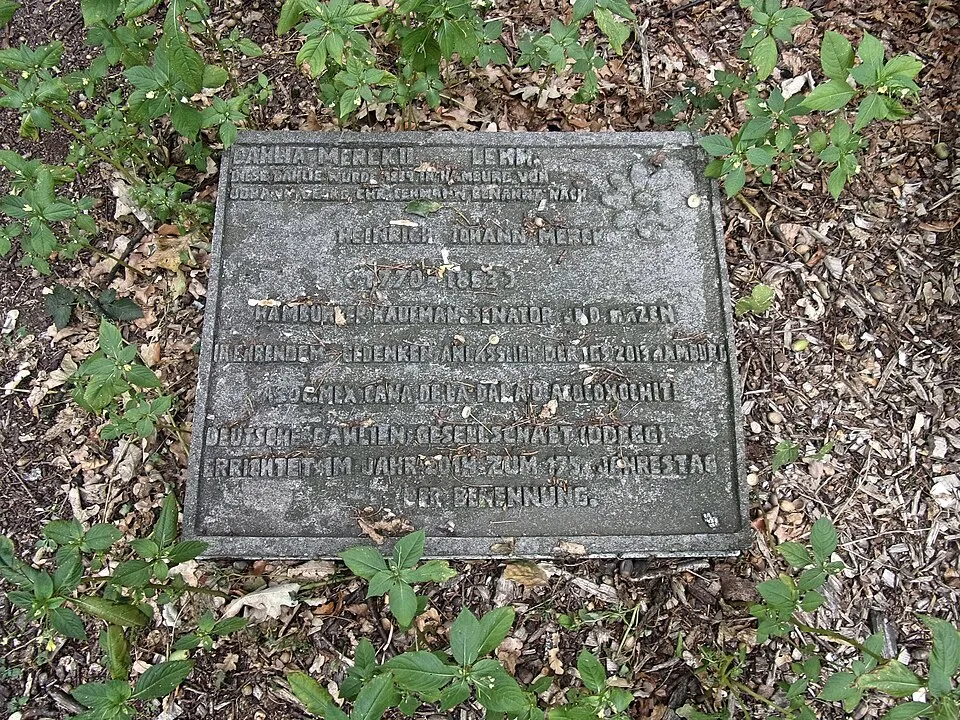
Dahlia merckii, commonly known as Merck's Dahlia, is an elegant tuberous perennial species belonging to the expansive Asteraceae family, renowned for its vibrant, daisy-like flowers. This herbaceous plant typically reaches imposing heights of 1.5 to 2.5 meters, characterized by its wiry, multi-branched stems and large, distinctly pinnately divided, mid-green leaves. Its striking single flowers, approximately 8 cm in diameter, appear in late summer through autumn, showcasing a beautiful spectrum of colors including lilac, white, and various shades of pink or purple, often with contrasting yellow or purple central disc florets.
Native to the highlands of central, northeastern, southwestern, and Gulf regions of Mexico, Dahlia merckii thrives in seasonally dry tropical biomes, often found in mountainous terrains. As a tuberous geophyte, it is adapted to overwinter in mild climates by relying on its underground tubers. Taxonomically, it stands out within the Dahlia genus due to its unique chromosome count of n=27 and a distinct phytochemical profile, including rare acetylenic compounds.
While primarily valued for its ornamental beauty and ability to attract pollinators, it also holds a place in traditional practices for its perceived wellness benefits.
Trusted Scientific References
1. Authoritative external sources for Dahlia Merckii
1.1 Wikipedia — Dahlia Merckii
1.2 Kew POWO (Plants of the World Online)
1.3 PubMed — peer-reviewed research
1.4 NCBI Taxonomy Browser
1.5 GBIF — Global Biodiversity
1.6Dahlia Merckii should be interpreted through verified botanical identity, practical care, and responsible safety language. This recovery note adds the missing context needed for a complete profile: match light to the plant's habit, use well-drained soil, water according to season, and avoid unsupported medicinal or edible claims. For publishing, the plant can be presented as a source-backed garden plant with clear care guidance, common problem diagnosis, and conservative safety wording.
1.1.Dahlia Merckii — Key Features
- ✓ <strong>Tuberous Perennial</strong> — Ensures overwintering and regeneration from underground storage organs.
- ✓ <strong>Asteraceae Family Member</strong> — Characterized by composite, daisy-like flowers.
- ✓ <strong>Native to Mexico</strong> — Indigenous to specific highland and tropical biomes.
- ✓ <strong>Ornamental Value</strong> — Highly prized for its aesthetic appeal in gardens and landscapes.
- ✓ <strong>Pollinator Attractor</strong> — Its simple, open flowers are excellent for attracting bees and other pollinators.
- ✓ <strong>Unique Acetylenic Compounds</strong> — Possesses a distinct phytochemical signature, including rare defense compounds.
- ✓ <strong>Traditional Anti</strong> — inflammatory — Historically recognized for its potential to reduce bodily inflammation.
- ✓ <strong>Antioxidant Properties</strong> — Contains compounds that combat oxidative stress within the body.
- ✓ <strong>Moderate Cultivation Needs</strong> — Adaptable to specific growing conditions with proper care.
- ✓ <strong>Potential Digestive Aid</strong> — Traditionally utilized to support healthy gastrointestinal function.
1.2.Dahlia Merckii — Quick Summary
- ✓ Dahlia merckii is a tuberous perennial from the Asteraceae family, native to Mexico.
- ✓ Valued for its ornamental beauty and traditional medicinal applications.
- ✓ Contains diverse phytochemicals including flavonoids, alkaloids, terpenoids, and unique acetylenic compounds.
- ✓ Traditionally used for its anti-inflammatory, antioxidant, digestive, and skin-healing properties.
- ✓ Requires specific cultivation care, thriving in mild climates or with winter tuber storage.
- ✓ Further scientific research is essential to fully validate its traditional medicinal claims and safety.
2.Dahlia Merckii — Scientific Identity
3.Dahlia Merckii — Quick Facts
4.Dahlia Merckii — Appearance & Identification
5.Dahlia Merckii — Native Habitat
6.Dahlia Merckii — Water Requirements
- ✓ Soil Preference — Thrives in well-draining soil that is rich in organic matter to support vigorous growth and tuber development.
- ✓ Light Requirements — Prefers full sun exposure to encourage abundant flowering, though it can tolerate partial shade.
- ✓ Watering — Requires moderate watering, ensuring the soil remains consistently moist but never waterlogged to prevent tuber rot.
- ✓ Fertilization — Benefits from a balanced fertilizer application during the growing season to enhance foliage and bloom production.
- ✓ Pruning — Regular pruning helps maintain a bushy shape, encourages more prolific flowering, and removes spent blooms.
- ✓ Winter Care — In regions with frost, tubers must be lifted and stored indoors over winter; in mild climates, a protective mulch is sufficient.
- ✓ Support — Due to its tall, wiry stems, staking is often necessary to prevent lodging, especially in windy conditions.
- ✓ Propagation — Can be propagated effectively by seeds or stem cuttings taken in the spring, or by dividing tubers.
Reviewed by the Flora Medical Global Botanical Review Panel
Multi-disciplinary editorial group · Botany · Ethnobotany · Herbal-medicine literature
Who reviewed this: This page was checked by the Flora Medical Global Botanical Review Panel — an in-house editorial group of botany graduates, ethnobotany researchers, and horticulture practitioners who collectively maintain our 7,000+ plant encyclopedia. Meet the team.
Our 4-step verification process
1. Taxonomic verification
Scientific names and synonyms cross-checked against Kew POWO, World Flora Online, and The Plant List.
2. Phytochemical & medicinal cross-reference
Active compounds, traditional uses, and reported activities are cross-referenced with PubMed, USDA Dr. Duke's database, and peer-reviewed ethnobotanical literature.
3. Conservation & distribution check
Distribution, ecology, and conservation status confirmed against GBIF occurrence records and the IUCN Red List.
4. Editorial & safety review
Every entry passes an editorial pass for clarity, originality, and safety notices (toxicity, contraindications, dosage caveats) before publication.
Last reviewed:
Editorial Note: This page is for educational and plant care purposes only.
Written by: Flora Medical Global Editorial Team
Reviewed by: Flora Medical Global Botanical Review Panel
Last Updated: June 15, 2026







Dahlia Merckii — Comments & Community Reviews
Rate this plant