

Care Disclaimer: Plant care recommendations are general guidelines based on common growing conditions. Individual results may vary based on your local environment, climate, and care routine. If your plant is toxic, keep it away from children and pets, and consult a veterinarian if accidental ingestion occurs.
1.Daylily — Overview
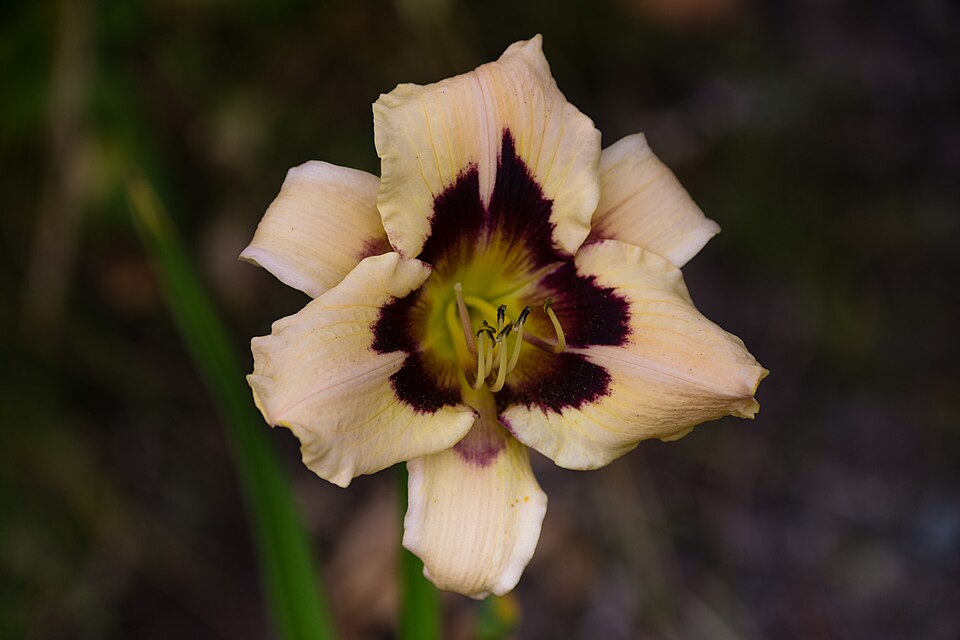
Daylily, scientifically known as Hemerocallis hybrida, is an enduring herbaceous perennial that graces landscapes with its vibrant blooms. Belonging to the Asphodelaceae family, this resilient plant typically attains a height of 24 to 36 inches (60 to 90 cm). It forms attractive clumps of long, sword-like basal leaves, which can extend up to 2 feet (60 cm) in length. The hallmark of Hemerocallis hybrida is its trumpet-shaped flowers, which unfurl in a dazzling spectrum of colors, including various shades of yellow, orange, red, and purple, often accented with darker throats that enhance their visual depth.
Each individual blossom measures approximately 4 to 6 inches (10 to 15 cm) across but lasts for only a single day, a characteristic from which the common name 'daylily' is derived. Despite the fleeting nature of individual flowers, the plant blooms profusely throughout the summer, ensuring a continuous and spectacular display over several weeks. Its sturdy stems provide robust support for the abundant flowers, while a dense, fibrous root system firmly anchors the plant in the soil. Originating from East Asia, particularly China and Korea, Hemerocallis hybrida exhibits remarkable adaptability, thriving in diverse environmental conditions and various soil types.
This hardiness and low-maintenance nature have led to its widespread cultivation as an ornamental plant across temperate regions globally. Taxonomically, it is a prominent member of the genus Hemerocallis, which encompasses approximately 90 species, many of which have contributed to the genetic diversity and enhanced beauty seen in today's cultivated hybrid varieties.
Trusted Scientific References
1. Authoritative external sources for Hemerocallis hybrida
1.1 Wikipedia — Hemerocallis hybrida
1.2 Kew POWO (Plants of the World Online)
1.3 PubMed — peer-reviewed research
1.4 NCBI Taxonomy Browser
1.5 GBIF — Global Biodiversity
1.6Daylily should be interpreted through verified botanical identity, practical care, and responsible safety language. This recovery note adds the missing context needed for a complete profile: match light to the plant's habit, use well-drained soil, water according to season, and avoid unsupported medicinal or edible claims. For publishing, the plant can be presented as a source-backed garden plant with clear care guidance, common problem diagnosis, and conservative safety wording.
1.1.Daylily — Key Features
- ✓ <strong>Botanical Name</strong> — Hemerocallis hybrida
- ✓ <strong>Family</strong> — Asphodelaceae
- ✓ <strong>Common Name</strong> — Daylily
- ✓ <strong>Origin</strong> — East Asia (China, Korea)
- ✓ <strong>Primary Use</strong> — Ornamental, with traditional medicinal applications (especially H. fulva and other species)
- ✓ <strong>Flower Colors</strong> — Yellow, orange, red, purple, often with darker throats
- ✓ <strong>Bloom Duration</strong> — Each flower lasts one day; plant blooms profusely for weeks
- ✓ <strong>Hardiness Zones</strong> — USDA 3-9
- ✓ <strong>Key Compounds</strong> — Flavonoids (quercetin, kaempferol), saponins (daylily glycosides), anthocyanins
- ✓ <strong>Edible Parts</strong> — Fresh flowers and buds (all species), tubers (specific species like H. fulva)
1.2.Daylily — Quick Summary
- ✓ Ornamental perennial, Hemerocallis hybrida, with recognized traditional medicinal uses in East Asia.
- ✓ Daylily species are valued for anti-inflammatory, diuretic, and antioxidant properties.
- ✓ Edible flowers and buds are a source of Vitamin C and trace minerals.
- ✓ Historically important in Traditional Chinese Medicine and Ayurveda for 'clearing heat' and digestive support.
- ✓ A hardy and adaptable plant, widely cultivated for its beauty and low maintenance.
- ✓ Caution advised for pregnant individuals, those breastfeeding, or with severe kidney/heart conditions.
2.Daylily — Scientific Identity
3.Daylily — Quick Facts
4.Daylily — Appearance & Identification
5.Daylily — Native Habitat
6.Daylily — Water Requirements
- ✓ Hardiness Zones — Thrives across USDA Hardiness Zones 3 through 9, demonstrating excellent cold and heat tolerance.
- ✓ Light Requirements — Prefers full sun exposure for optimal flowering, but tolerates partial shade, especially in hotter climates.
- ✓ Soil Preference — Highly adaptable to various soil types, though well-drained loam with a neutral to slightly acidic pH is ideal for robust growth.
- ✓ Watering Regime — Requires moderate watering, particularly during dry spells or establishment, but becomes quite drought-tolerant once mature.
- ✓ Propagation — Primarily propagated through division of established clumps in early spring or fall, ensuring vigorous new growth.
- ✓ Fertilization — Benefits from a balanced, slow-release granular fertilizer applied in early spring as new foliage emerges.
- ✓ Pest and Disease Resistance — Generally a low-maintenance plant with strong resistance to most common pests and diseases, making it suitable for diverse gardens.
- ✓ Deadheading — Removing spent flowers (deadheading) encourages continuous blooming and maintains a tidy appearance throughout the flowering season.
Reviewed by the Flora Medical Global Botanical Review Panel
Multi-disciplinary editorial group · Botany · Ethnobotany · Herbal-medicine literature
Who reviewed this: This page was checked by the Flora Medical Global Botanical Review Panel — an in-house editorial group of botany graduates, ethnobotany researchers, and horticulture practitioners who collectively maintain our 7,000+ plant encyclopedia. Meet the team.
Our 4-step verification process
1. Taxonomic verification
Scientific names and synonyms cross-checked against Kew POWO, World Flora Online, and The Plant List.
2. Phytochemical & medicinal cross-reference
Active compounds, traditional uses, and reported activities are cross-referenced with PubMed, USDA Dr. Duke's database, and peer-reviewed ethnobotanical literature.
3. Conservation & distribution check
Distribution, ecology, and conservation status confirmed against GBIF occurrence records and the IUCN Red List.
4. Editorial & safety review
Every entry passes an editorial pass for clarity, originality, and safety notices (toxicity, contraindications, dosage caveats) before publication.
Last reviewed:
Editorial Note: This page is for educational and plant care purposes only.
Written by: Flora Medical Global Editorial Team
Reviewed by: Flora Medical Global Botanical Review Panel
Last Updated: June 15, 2026







Daylily — Comments & Community Reviews
Rate this plant