


Care Disclaimer: Plant care recommendations are general guidelines based on common growing conditions. Individual results may vary based on your local environment, climate, and care routine. If your plant is toxic, keep it away from children and pets, and consult a veterinarian if accidental ingestion occurs.
1.Duranta Erecta — Overview
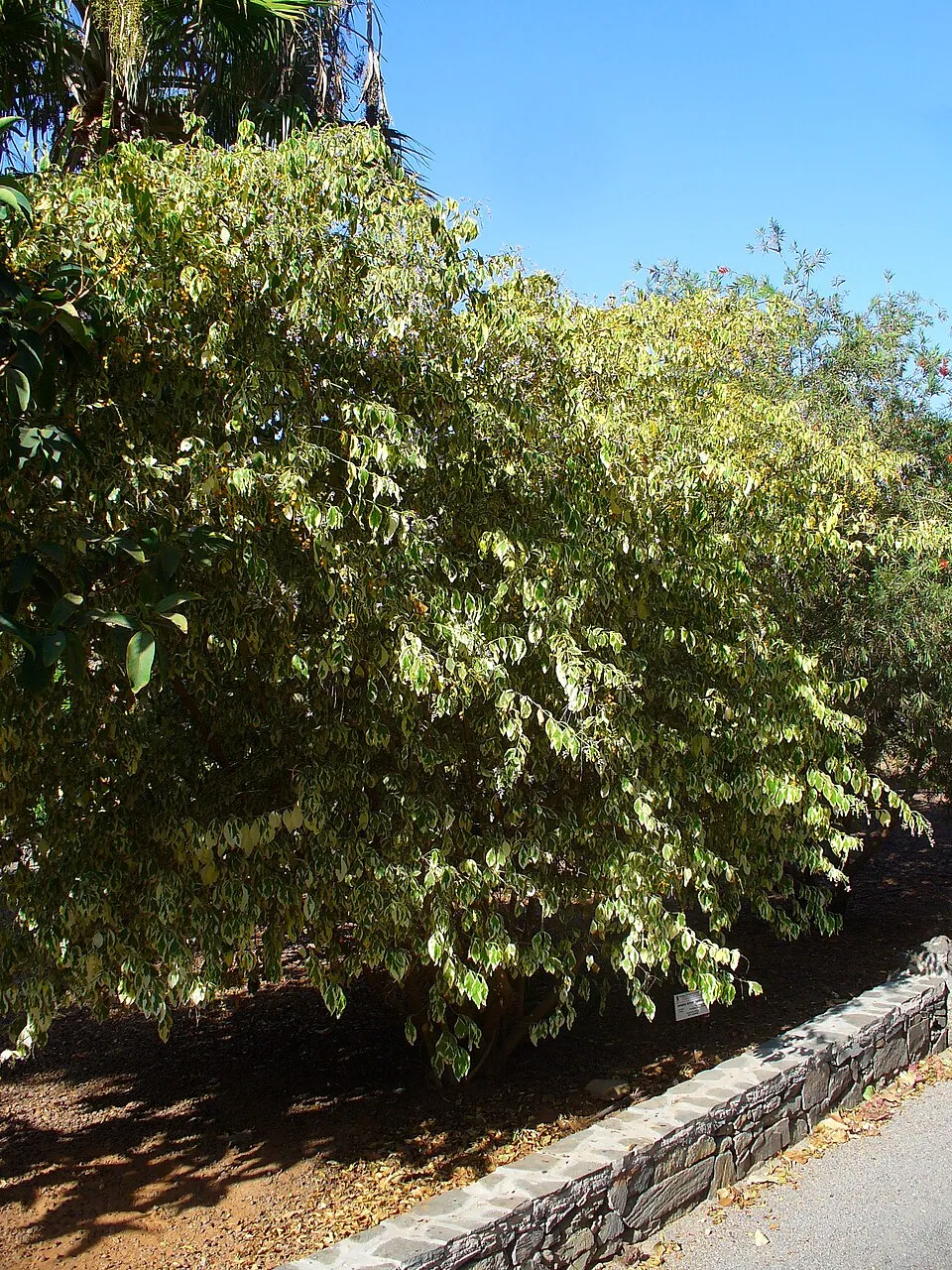
Duranta erecta, widely recognized as golden dewdrop, sky flower, or pigeon berry, is an evergreen, perennial shrub belonging to the Verbenaceae family. This species is indigenous to the warmer climes of Mexico, Central America, South America, and the Caribbean islands, where it thrives in tropical and subtropical conditions. Characterized by its vigorous, upright, and often sprawling growth habit, Duranta erecta typically reaches heights of 1 to 4 meters, making it a popular choice for hedges, screens, and ornamental landscaping.
Its attractive foliage consists of glossy, dark green leaves that are ovate to lanceolate, sometimes with slightly serrated margins. The plant produces delicate, trumpet-shaped flowers in shades of blue, lavender, purple, or white, which bloom in pendulous racemes and are highly attractive to pollinators like butterflies. Following the floral display, small, spherical, golden-yellow or orange berries develop in clusters, adding to the plant's visual appeal.
While these berries are a food source for birds, they are notably toxic to humans and domestic animals if ingested. Duranta erecta prefers full sun to partial shade and requires well-drained soil to flourish, but it can adapt to various conditions, contributing to its classification as an invasive species in some non-native regions where it outcompetes local flora.
Trusted Scientific References
1. Authoritative external sources for Duranta erecta
1.1 Wikipedia — Duranta erecta
1.2 Kew POWO (Plants of the World Online)
1.3 PubMed — peer-reviewed research
1.4 NCBI Taxonomy Browser
1.5 GBIF — Global Biodiversity
1.6Duranta Erecta should be interpreted through verified botanical identity, practical care, and responsible safety language. This recovery note adds the missing context needed for a complete profile: match light to the plant's habit, use well-drained soil, water according to season, and avoid unsupported medicinal or edible claims. For publishing, the plant can be presented as a source-backed garden plant with clear care guidance, common problem diagnosis, and conservative safety wording.
1.1.Duranta Erecta — Key Features
- ✓ <strong>Botanical Name</strong> — Duranta erecta (Syn. Duranta repens).
- ✓ <strong>Common Names</strong> — Golden Dewdrop, Sky Flower, Pigeon Berry, Angel's Whisper.
- ✓ <strong>Family</strong> — Verbenaceae (Verbena family).
- ✓ <strong>Native Range</strong> — Mexico, Central America, South America, and the Caribbean.
- ✓ <strong>Growth Habit</strong> — Perennial evergreen shrub, typically 1 to 4 meters tall, often with arching, sometimes spiny branches.
- ✓ <strong>Flowers</strong> — Small, trumpet-shaped, in shades of blue, purple, or white, blooming in pendulous racemes.
- ✓ <strong>Fruits</strong> — Small, round, golden-yellow or orange berries, forming attractive hanging clusters; highly toxic.
- ✓ <strong>Key Phytochemicals</strong> — Alkaloids (e.g., durantol), flavonoids, saponins, tannins, iridoid glycosides, steroids.
- ✓ <strong>Primary Use</strong> — Ornamental plant for hedges and landscapes; external use as an insect repellent.
- ✓ <strong>Toxicity Warning</strong> — All plant parts are poisonous if ingested, with berries being particularly hazardous.
1.2.Duranta Erecta — Quick Summary
- ✓ Duranta erecta is an ornamental shrub known as golden dewdrop or sky flower.
- ✓ It features vibrant blue/purple flowers and attractive golden-orange berries.
- ✓ All parts of the plant, especially the berries, are highly toxic if ingested by humans or animals.
- ✓ Contains phytochemicals with potential external antimicrobial, antioxidant, and insecticidal properties.
- ✓ Primarily used for landscaping and as a natural pest deterrent, not for internal medicinal purposes.
- ✓ Requires full sun, well-drained soil, and careful handling due to its inherent toxicity.
2.Duranta Erecta — Scientific Identity
3.Duranta Erecta — Quick Facts
4.Duranta Erecta — Appearance & Identification
5.Duranta Erecta — Native Habitat
6.Duranta Erecta — Water Requirements
- ✓ Soil Requirements — Prefers well-drained, fertile soil, ideally a loamy or sandy loam mixture with a slightly acidic to neutral pH (6.0-7.0).
- ✓ Light Exposure — Thrives in full sun, requiring at least six hours of direct sunlight daily for optimal flowering and fruit production; tolerates partial shade but may have reduced bloom.
- ✓ Watering Regimen — Requires regular and consistent watering, especially during dry periods and while establishing; mature plants exhibit good drought tolerance.
- ✓ Pruning Techniques — Prune annually in late winter or early spring to maintain desired shape, control size, and encourage bushier growth and prolific flowering.
- ✓ Fertilization — Apply a balanced, slow-release granular fertilizer in spring and again in mid-summer to support vigorous growth and blooming.
- ✓ Pest and Disease Management — Generally robust, but monitor for common garden pests like aphids or whiteflies; ensure good air circulation to prevent fungal issues.
- ✓ Climate Adaptability — Best suited for tropical and subtropical climates (USDA Zones 9-11), intolerant of frost and cold temperatures.
- ✓ Propagation — Easily propagated from semi-hardwood cuttings taken in spring or summer, or from seeds, though seed germination can be slow.
Reviewed by the Flora Medical Global Botanical Review Panel
Multi-disciplinary editorial group · Botany · Ethnobotany · Herbal-medicine literature
Who reviewed this: This page was checked by the Flora Medical Global Botanical Review Panel — an in-house editorial group of botany graduates, ethnobotany researchers, and horticulture practitioners who collectively maintain our 7,000+ plant encyclopedia. Meet the team.
Our 4-step verification process
1. Taxonomic verification
Scientific names and synonyms cross-checked against Kew POWO, World Flora Online, and The Plant List.
2. Phytochemical & medicinal cross-reference
Active compounds, traditional uses, and reported activities are cross-referenced with PubMed, USDA Dr. Duke's database, and peer-reviewed ethnobotanical literature.
3. Conservation & distribution check
Distribution, ecology, and conservation status confirmed against GBIF occurrence records and the IUCN Red List.
4. Editorial & safety review
Every entry passes an editorial pass for clarity, originality, and safety notices (toxicity, contraindications, dosage caveats) before publication.
Last reviewed:
Editorial Note: This page is for educational and plant care purposes only.
Written by: Flora Medical Global Editorial Team
Reviewed by: Flora Medical Global Botanical Review Panel
Last Updated: June 15, 2026







Duranta Erecta — Comments & Community Reviews
Rate this plant