


Care Disclaimer: Plant care recommendations are general guidelines based on common growing conditions. Individual results may vary based on your local environment, climate, and care routine. If your plant is toxic, keep it away from children and pets, and consult a veterinarian if accidental ingestion occurs.
1.Erigeron Karvinskianus — Overview
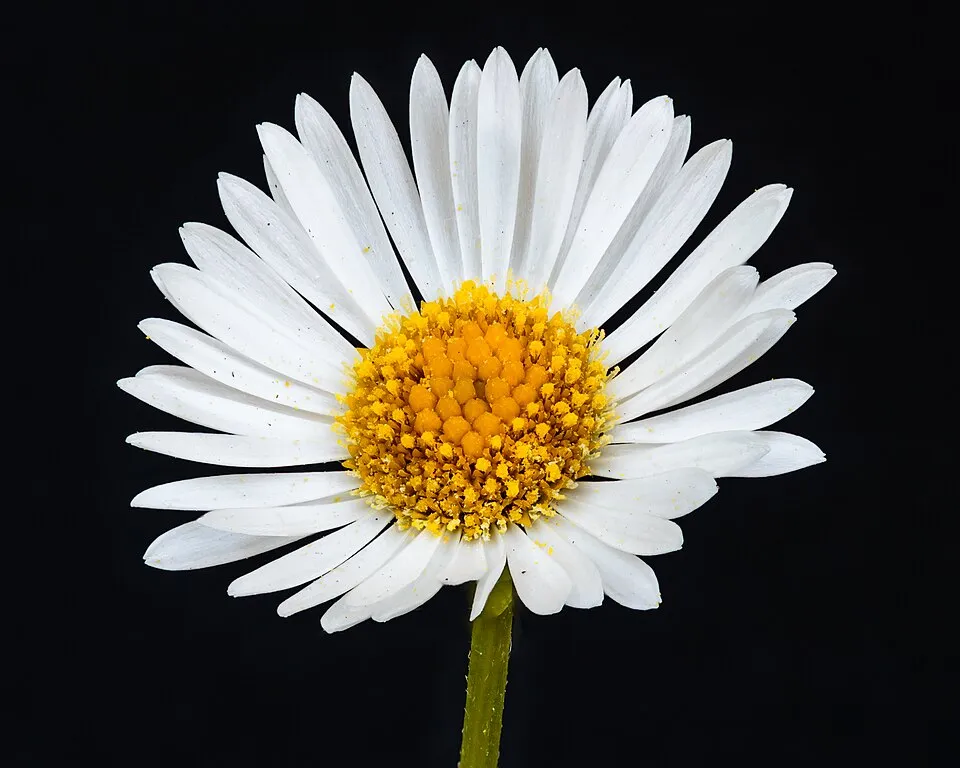
Erigeron Karvinskianus, commonly known as Mexican Fleabane or Santa Barbara Daisy, is a resilient perennial herbaceous plant belonging to the Asteraceae family. Native to Mexico and Central America, this species has become widely naturalized across temperate and subtropical regions globally due to its adaptability and ornamental appeal. It typically forms a low-growing, sprawling mat, reaching heights of approximately 15 to 30 centimeters, though it can climb or trail over surfaces.
The plant features slender, wiry stems adorned with small, broadly ovate to lanceolate leaves, often with slightly toothed margins, presenting a fresh green color. Its most distinctive feature is its profusion of delicate, daisy-like flowers, which emerge white and gradually mature to a pale pink or purplish hue. These charming blooms, typically measuring 1-2 cm in diameter, appear almost continuously from late spring through autumn, attracting a diverse array of pollinators such as bees and butterflies.
Erigeron Karvinskianus thrives in a variety of well-drained habitats, including rocky outcrops, old walls, garden borders, and disturbed ground, demonstrating remarkable drought tolerance once established. The presence of fine hairs on its foliage helps to minimize water loss, contributing to its hardiness.
Trusted Scientific References
1. Authoritative external sources for Erigeron Karvinskianus
1.1 Wikipedia — Erigeron Karvinskianus
1.2 Kew POWO (Plants of the World Online)
1.3 PubMed — peer-reviewed research
1.4 NCBI Taxonomy Browser
1.5 GBIF — Global Biodiversity
1.6Erigeron Karvinskianus should be interpreted through verified botanical identity, practical care, and responsible safety language. This recovery note adds the missing context needed for a complete profile: match light to the plant's habit, use well-drained soil, water according to season, and avoid unsupported medicinal or edible claims. For publishing, the plant can be presented as a source-backed garden plant with clear care guidance, common problem diagnosis, and conservative safety wording.
1.1.Erigeron Karvinskianus — Key Features
- ✓ <strong>Resilient perennial groundcover.</strong> — Resilient perennial groundcover.
- ✓ <strong>Continuous blooming with white to pink/purple daisy</strong> — like flowers.
- ✓ <strong>Highly attractive to</strong> — Highly attractive to pollinators like bees and butterflies.
- ✓ <strong>Exceptional drought tolerance</strong> — Exceptional drought tolerance once established.
- ✓ <strong>Spreads readily via self</strong> — seeding and rhizomes, ideal for naturalizing.
- ✓ <strong>Contains beneficial essential</strong> — Contains beneficial essential oils, flavonoids, and polyacetylenes.
- ✓ <strong>Traditional uses for</strong> — Traditional uses for inflammation, digestion, and antioxidant support.
- ✓ <strong>Low maintenance requirements,</strong> — Low maintenance requirements, adaptable to various garden settings.
- ✓ <strong>Young leaves are</strong> — Young leaves are traditionally consumed in some cultures.
- ✓ <strong>Member of the</strong> — Member of the large and diverse Asteraceae plant family.
1.2.Erigeron Karvinskianus — Quick Summary
- ✓ Mexican Fleabane is a charming, low-maintenance ornamental perennial.
- ✓ Traditionally valued for anti-inflammatory, antioxidant, and digestive benefits.
- ✓ Rich in essential oils (limonene, β-pinene) and flavonoids.
- ✓ Adapts to various conditions, thriving in well-drained soils and full sun.
- ✓ Caution advised for individuals with Asteraceae allergies.
- ✓ Used culinarily (young leaves) and medicinally (infusions, tinctures, poultices).
2.Erigeron Karvinskianus — Scientific Identity
3.Erigeron Karvinskianus — Quick Facts
4.Erigeron Karvinskianus — Appearance & Identification
5.Erigeron Karvinskianus — Native Habitat
6.Erigeron Karvinskianus — Water Requirements
- ✓ Sunlight — Prefers full sun to partial shade; flowering is most abundant in sunny locations.
- ✓ Soil Requirements — Thrives in well-drained soil, tolerating a range of soil types from sandy to loamy, including poor and rocky soils.
- ✓ Watering — Requires moderate watering initially; once established, it is highly drought-tolerant and needs minimal supplemental water.
- ✓ Propagation — Easily propagated by seed, stem cuttings, or division of established clumps in spring or autumn.
- ✓ Hardiness — A hardy perennial, typically suitable for USDA Zones 5-9, tolerating mild frosts but may die back in colder climates.
- ✓ Maintenance — Low maintenance; deadheading spent flowers can encourage continuous blooming, and occasional trimming can maintain shape.
- ✓ Pests and Diseases — Generally resistant to most common garden pests and diseases, making it a robust choice for various landscapes.
Reviewed by the Flora Medical Global Botanical Review Panel
Multi-disciplinary editorial group · Botany · Ethnobotany · Herbal-medicine literature
Who reviewed this: This page was checked by the Flora Medical Global Botanical Review Panel — an in-house editorial group of botany graduates, ethnobotany researchers, and horticulture practitioners who collectively maintain our 7,000+ plant encyclopedia. Meet the team.
Our 4-step verification process
1. Taxonomic verification
Scientific names and synonyms cross-checked against Kew POWO, World Flora Online, and The Plant List.
2. Phytochemical & medicinal cross-reference
Active compounds, traditional uses, and reported activities are cross-referenced with PubMed, USDA Dr. Duke's database, and peer-reviewed ethnobotanical literature.
3. Conservation & distribution check
Distribution, ecology, and conservation status confirmed against GBIF occurrence records and the IUCN Red List.
4. Editorial & safety review
Every entry passes an editorial pass for clarity, originality, and safety notices (toxicity, contraindications, dosage caveats) before publication.
Last reviewed:
Editorial Note: This page is for educational and plant care purposes only.
Written by: Flora Medical Global Editorial Team
Reviewed by: Flora Medical Global Botanical Review Panel
Last Updated: June 15, 2026







Erigeron Karvinskianus — Comments & Community Reviews
Rate this plant