

Care Disclaimer: Plant care recommendations are general guidelines based on common growing conditions. Individual results may vary based on your local environment, climate, and care routine. If your plant is toxic, keep it away from children and pets, and consult a veterinarian if accidental ingestion occurs.
1.Euonymus Alatus — Overview
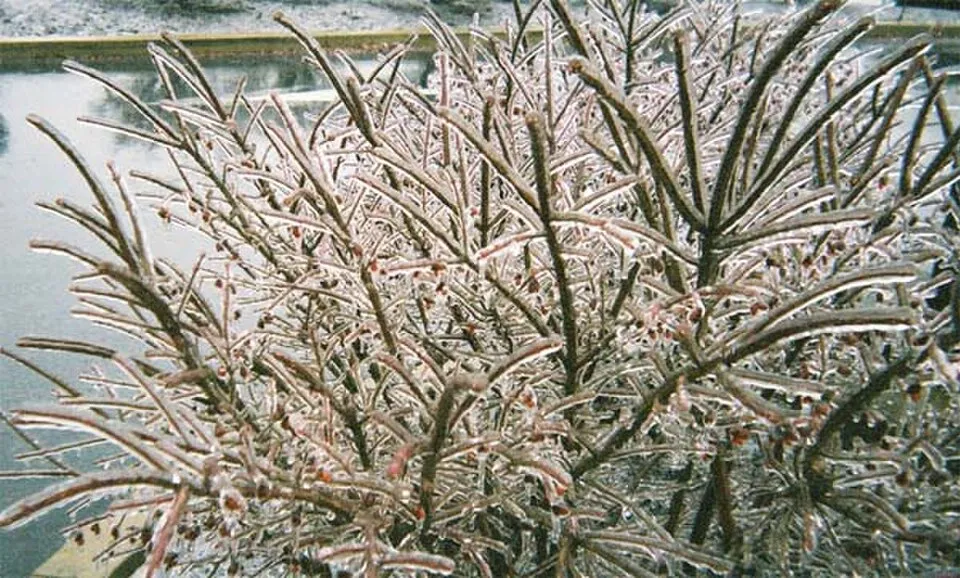
Euonymus alatus, commonly known as winged euonymus or burning bush, is an ornamental deciduous shrub belonging to the Celastraceae family. Native to East Asia, specifically China, Japan, and Korea, it thrives in a variety of temperate climates. This robust shrub typically forms a rounded, dense habit, reaching heights of 1.5 to 3 meters (5 to 10 feet) with a similar spread.
Its most striking feature, particularly in winter, is the distinctive corky, wing-like ridges that develop along its young stems, giving it a unique architectural quality. The leaves are opposite, ovate to elliptical, and possess a glossy dark green hue throughout the growing season, transforming into brilliant, fiery shades of red, crimson, and purple in autumn, hence its common name 'burning bush'. Small, inconspicuous greenish-yellow flowers appear in late spring to early summer, followed by four-parted capsules that mature and split open to reveal bright orange, aril-covered seeds.
Euonymus alatus prefers well-drained soils and can adapt to full sun or partial shade, making it a versatile choice for garden borders, hedges, and general landscaping. However, its vigorous growth and prolific seed production have led to its classification as an invasive species in many parts of North America, where it outcompetes native vegetation and disrupts local ecosystems.
Trusted Scientific References
1. Authoritative external sources for Euonymus alatus
1.1 Wikipedia — Euonymus alatus
1.2 Kew POWO (Plants of the World Online)
1.3 PubMed — peer-reviewed research
1.4 NCBI Taxonomy Browser
1.5 GBIF — Global Biodiversity
1.6Euonymus Alatus should be interpreted through verified botanical identity, practical care, and responsible safety language. This recovery note adds the missing context needed for a complete profile: match light to the plant's habit, use well-drained soil, water according to season, and avoid unsupported medicinal or edible claims. For publishing, the plant can be presented as a source-backed garden plant with clear care guidance, common problem diagnosis, and conservative safety wording.
1.1.Euonymus Alatus — Key Features
- ✓ <strong>Distinctive Corky Wings</strong> — Unique wing-like growths along its stems, especially prominent in winter.
- ✓ <strong>Fiery Autumn Color</strong> — Leaves turn brilliant shades of red, crimson, and purple, giving it the 'burning bush' moniker.
- ✓ <strong>Ornamental Shrub</strong> — Highly valued for its aesthetic appeal in landscaping.
- ✓ <strong>Traditional Medicinal Plant</strong> — Long history of use in Traditional Chinese Medicine and Korean herbalism.
- ✓ <strong>Rich Phytochemical Profile</strong> — Contains a wide array of bioactive compounds including flavonoids and terpenoids.
- ✓ <strong>Antidiabetic Potential</strong> — Subject of modern research for its hypoglycemic and insulin-sensitizing effects.
- ✓ <strong>Toxic Components</strong> — Contains cardenolides, making all parts of the plant poisonous if ingested.
- ✓ <strong>Invasive Species Status</strong> — Recognized as an ecological threat in certain non-native regions like North America.
- ✓ <strong>Adaptable Growth</strong> — Tolerant of various soil types and light conditions, making it resilient in cultivation.
- ✓ <strong>Small Inconspicuous Flowers</strong> — Greenish-yellow flowers are not a primary ornamental feature.
1.2.Euonymus Alatus — Quick Summary
- ✓ Euonymus alatus is a deciduous shrub known for its vibrant autumn foliage and distinctive winged stems.
- ✓ Traditionally used in Asian medicine for conditions like diabetes, pain, and menstrual disorders.
- ✓ Contains potent phytochemicals including flavonoids, terpenoids, and toxic cardenolides.
- ✓ Modern research investigates its antidiabetic, antihypertensive, and antitumor properties.
- ✓ All parts of the plant are considered toxic, especially the berries, requiring extreme caution and professional oversight for any medicinal use.
- ✓ Has become an invasive species in North America, impacting local ecosystems.
2.Euonymus Alatus — Scientific Identity
3.Euonymus Alatus — Quick Facts
4.Euonymus Alatus — Appearance & Identification
5.Euonymus Alatus — Native Habitat
6.Euonymus Alatus — Water Requirements
- ✓ Site Selection — Choose a location with full sun to partial shade for optimal growth and vibrant autumn color.
- ✓ Soil Requirements — Prefers well-drained, fertile soil; adaptable to a range of soil types including clay, loam, and sand, but avoid waterlogged conditions.
- ✓ Planting — Plant in spring or fall, ensuring adequate space for its mature size (up to 3 meters spread) to prevent overcrowding.
- ✓ Watering — Requires moderate watering, especially during dry spells; established plants are relatively drought-tolerant.
- ✓ Fertilization — Generally not required in fertile soils; if needed, apply a balanced slow-release fertilizer in early spring.
- ✓ Pruning — Prune in late winter or early spring to remove dead or damaged branches, shape the plant, and control its size. Can be heavily pruned to rejuvenate.
- ✓ Pest and Disease Management — Generally robust, but monitor for common shrub pests like scale insects or spider mites; treat as necessary with appropriate horticultural oils.
- ✓ Invasive Species Awareness — Be mindful of its invasive potential in certain regions; consider native alternatives or control seed dispersal.
Reviewed by the Flora Medical Global Botanical Review Panel
Multi-disciplinary editorial group · Botany · Ethnobotany · Herbal-medicine literature
Who reviewed this: This page was checked by the Flora Medical Global Botanical Review Panel — an in-house editorial group of botany graduates, ethnobotany researchers, and horticulture practitioners who collectively maintain our 7,000+ plant encyclopedia. Meet the team.
Our 4-step verification process
1. Taxonomic verification
Scientific names and synonyms cross-checked against Kew POWO, World Flora Online, and The Plant List.
2. Phytochemical & medicinal cross-reference
Active compounds, traditional uses, and reported activities are cross-referenced with PubMed, USDA Dr. Duke's database, and peer-reviewed ethnobotanical literature.
3. Conservation & distribution check
Distribution, ecology, and conservation status confirmed against GBIF occurrence records and the IUCN Red List.
4. Editorial & safety review
Every entry passes an editorial pass for clarity, originality, and safety notices (toxicity, contraindications, dosage caveats) before publication.
Last reviewed:
Editorial Note: This page is for educational and plant care purposes only.
Written by: Flora Medical Global Editorial Team
Reviewed by: Flora Medical Global Botanical Review Panel
Last Updated: June 15, 2026







Euonymus Alatus — Comments & Community Reviews
Rate this plant