
Care Disclaimer: Plant care recommendations are general guidelines based on common growing conditions. Individual results may vary based on your local environment, climate, and care routine. If your plant is toxic, keep it away from children and pets, and consult a veterinarian if accidental ingestion occurs.
1.Fennel Bulb — Overview
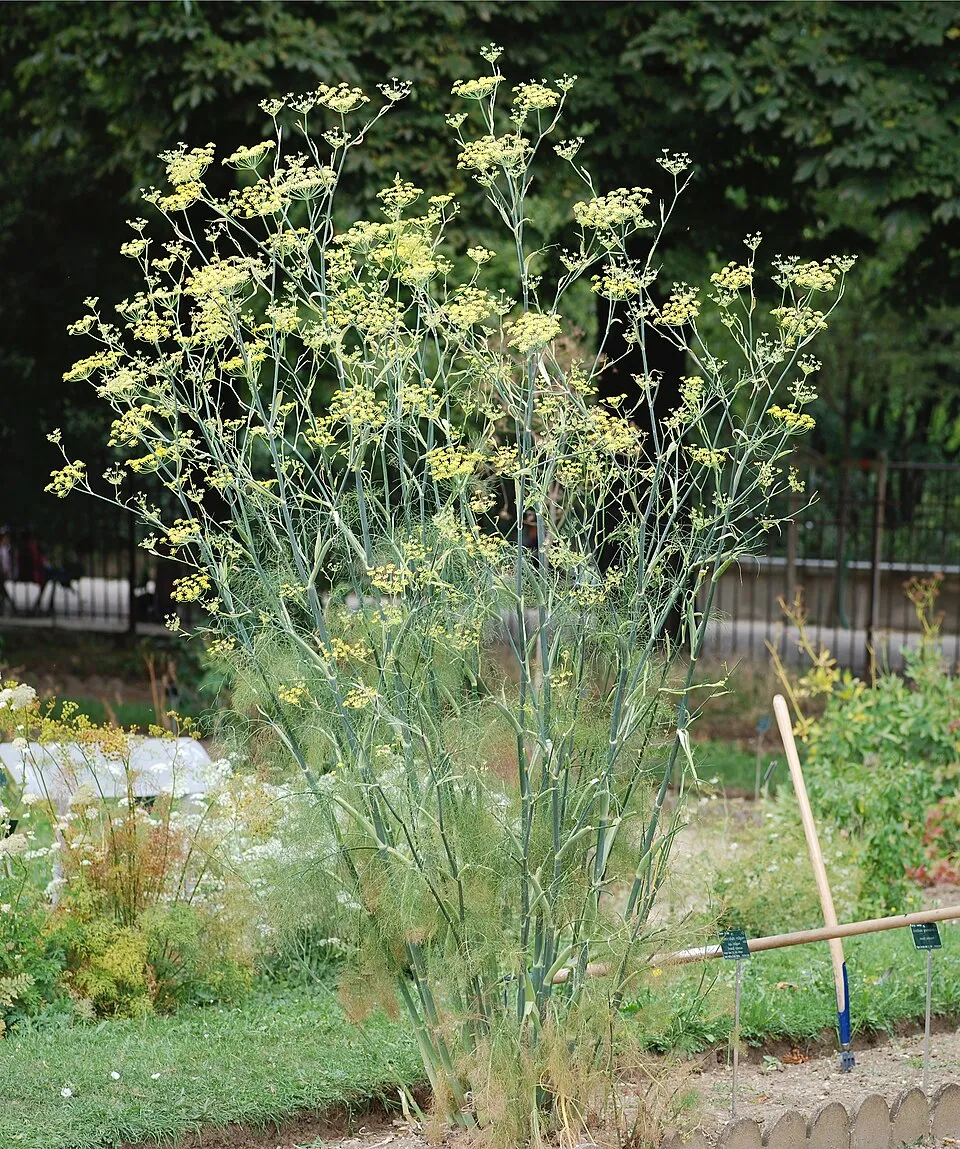
Fennel Bulb, scientifically designated as Foeniculum vulgare azoricum, is a distinctive cultivar of the common fennel plant, meticulously cultivated for its enlarged, succulent leaf bases that coalesce to form a crisp, bulb-like structure situated just above the soil line. This unique morphology sets it apart from other fennel varieties, which are typically grown for their seeds or foliage. Originating from the sun-drenched coastal regions of the Mediterranean basin, its specific development into the cherished culinary vegetable we recognize today is a testament to centuries of selective breeding, with significant advancements occurring particularly in Italy. The plant thrives optimally in temperate climates, characterized by a harmonious balance of warm, sunny days and cooler nights, conditions that deter premature bolting—the undesirable process of flowering and seed production at the expense of bulb development.
Historically, various forms of fennel have been revered since antiquity, with records of its culinary and medicinal applications appearing in ancient Egyptian, Roman, and Greek texts. The revered Greek physician Hippocrates, for instance, prescribed fennel to alleviate a spectrum of digestive ailments. In contemporary culinary arts, Fennel Bulb enjoys widespread acclaim, celebrated for its delicate, aniselike flavor and refreshing, crisp texture, making it a versatile ingredient for raw preparations in salads, or cooked through roasting, grilling, or braising. Beyond its gastronomic appeal, Fennel Bulb retains a rich profile of beneficial phytochemicals, mirroring those found in other fennel varieties, which underpin its traditional medicinal uses across diverse healing systems.
Pharmacological investigations continue to corroborate its carminative, anti-inflammatory, and antioxidant properties, largely attributable to the synergistic action of compounds such as anethole and fenchone. Studies have explored its potential in mitigating gastrointestinal discomfort, supporting lactation, and exhibiting mild estrogenic effects, further solidifying its status as a plant of significant therapeutic interest.
Trusted Scientific References
1. Authoritative external sources for Foeniculum vulgare azoricum
1.1 Wikipedia — Foeniculum vulgare azoricum
1.2 Kew POWO (Plants of the World Online)
1.3 PubMed — peer-reviewed research
1.4 NCBI Taxonomy Browser
1.5 GBIF — Global Biodiversity
1.1.Fennel Bulb — Key Features
- ✓ <strong>Edible Bulb</strong> — Main feature is the swollen, crisp, anise-flavored bulb-like structure.
- ✓ <strong>Anise Flavor Profile</strong> — Distinctive sweet, licorice-like taste and aroma, primarily from anethole.
- ✓ <strong>Mediterranean Origin</strong> — Native to the Mediterranean region, cultivated for centuries.
- ✓ <strong>Digestive Aid</strong> — Historically and currently valued for soothing gastrointestinal discomfort.
- ✓ <strong>Anti</strong> — inflammatory Properties — Contains compounds that help reduce inflammation.
- ✓ <strong>Antioxidant Rich</strong> — High in flavonoids and phenolic acids, combating oxidative stress.
- ✓ <strong>Estrogenic Activity</strong> — Exhibits mild estrogenic effects, relevant for women's health.
- ✓ <strong>Apiaceae Family Member</strong> — Part of the carrot/parsley family, sharing common characteristics.
- ✓ <strong>Versatile Culinary Use</strong> — Enjoyed raw, roasted, grilled, or braised in diverse cuisines.
- ✓ <strong>Distinct from Herb Fennel</strong> — Specifically bred for its bulb, not primarily for seeds or leaves.
1.2.Fennel Bulb — Quick Summary
- ✓ Distinct culinary vegetable with a crisp, anise-like bulb.
- ✓ Traditionally used for digestive issues and women's health.
- ✓ Rich in anethole, fenchone, and powerful antioxidants.
- ✓ Possesses carminative, anti-inflammatory, and mild estrogenic properties.
- ✓ Caution advised during pregnancy, breastfeeding, and with hormone-sensitive conditions.
- ✓ Widely cultivated, thriving in temperate climates with consistent moisture.
2.Fennel Bulb — Scientific Identity
3.Fennel Bulb — Quick Facts
4.Fennel Bulb — Appearance & Identification
5.Fennel Bulb — Native Habitat
6.Fennel Bulb — Water Requirements
- ✓ Soil Preparation — Thrives in well-drained, fertile soil with a pH between 6.0 and 7.0; enrich with compost for optimal growth.
- ✓ Sunlight Requirements — Requires full sun exposure (at least 6-8 hours daily) for healthy development and bulb formation.
- ✓ Watering Regimen — Maintain consistent soil moisture, especially during bulb development; avoid both drought and waterlogging.
- ✓ Temperature Management — Prefers warm days and cool nights; extreme heat can cause premature bolting, leading to poor bulb quality.
- ✓ Planting and Spacing — Sow seeds directly or transplant seedlings; space plants 6-12 inches apart to allow bulbs to expand freely.
- ✓ Fertilization — Apply a balanced organic fertilizer at planting and side-dress with compost once bulbs begin to swell.
- ✓ Pest and Disease Control — Generally robust, but monitor for aphids and slugs; ensure good air circulation to prevent fungal issues.
- ✓ Harvesting Technique — Harvest when bulbs reach desired size, typically 3-5 inches in diameter, by cutting at the base just above the soil line.
Reviewed by the Flora Medical Global Botanical Review Panel
Multi-disciplinary editorial group · Botany · Ethnobotany · Herbal-medicine literature
Who reviewed this: This page was checked by the Flora Medical Global Botanical Review Panel — an in-house editorial group of botany graduates, ethnobotany researchers, and horticulture practitioners who collectively maintain our 7,000+ plant encyclopedia. Meet the team.
Our 4-step verification process
1. Taxonomic verification
Scientific names and synonyms cross-checked against Kew POWO, World Flora Online, and The Plant List.
2. Phytochemical & medicinal cross-reference
Active compounds, traditional uses, and reported activities are cross-referenced with PubMed, USDA Dr. Duke's database, and peer-reviewed ethnobotanical literature.
3. Conservation & distribution check
Distribution, ecology, and conservation status confirmed against GBIF occurrence records and the IUCN Red List.
4. Editorial & safety review
Every entry passes an editorial pass for clarity, originality, and safety notices (toxicity, contraindications, dosage caveats) before publication.
Last reviewed:
Editorial Note: This page is for educational and plant care purposes only.
Written by: Flora Medical Global Editorial Team
Reviewed by: Flora Medical Global Botanical Review Panel
Last Updated: June 15, 2026







Fennel Bulb — Comments & Community Reviews
Rate this plant