


Care Disclaimer: Plant care recommendations are general guidelines based on common growing conditions. Individual results may vary based on your local environment, climate, and care routine. If your plant is toxic, keep it away from children and pets, and consult a veterinarian if accidental ingestion occurs.
1.Fleabane Glaucus — Overview
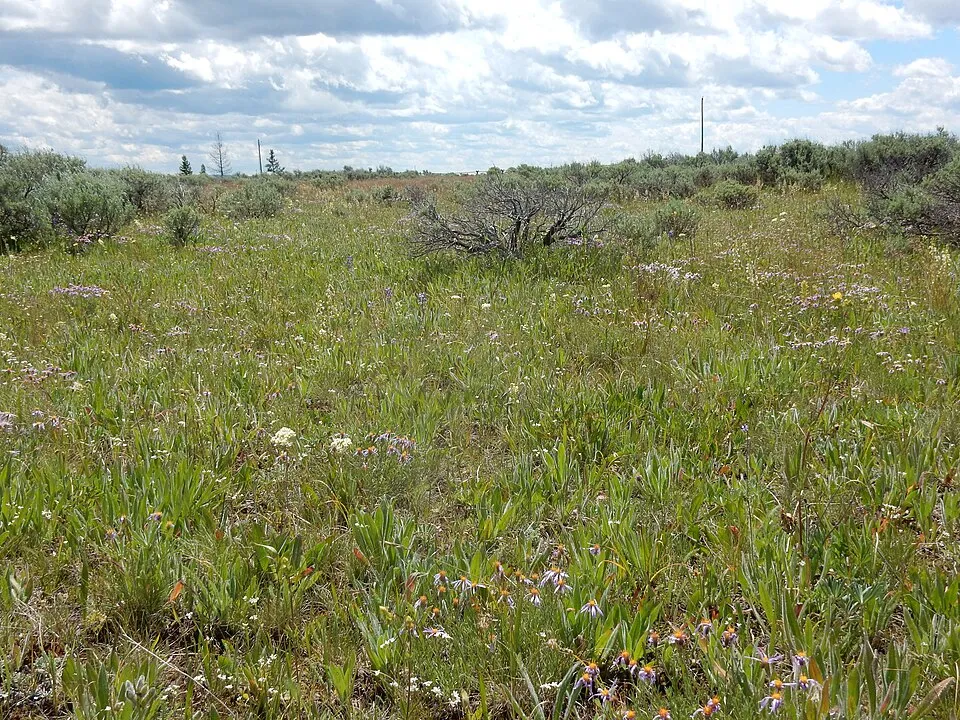
Erigeron glaucus, commonly known as Fleabane Glaucus or Seaside Daisy, is an enchanting coastal perennial belonging to the extensive Asteraceae family. This resilient species is indigenous to the rugged coastlines of western North America, flourishing in environments that would challenge many other plants. Its distinctive morphology includes a compact, mounding habit, typically reaching 6 to 12 inches in height, adorned with striking blue-green, somewhat glaucous foliage.
The plant's aesthetic appeal is further enhanced by its profusion of lavender-blue, daisy-like flowers, each featuring a bright yellow center disk. These captivating blooms emerge from late spring and continue through the summer months, providing a vibrant display. Adaptability is a hallmark of Fleabane Glaucus; it thrives in harsh conditions such as direct salt spray, prolonged drought periods, and nutrient-poor, quick-draining soils, making it an excellent choice for xeriscaping, rock gardens, and seaside landscapes.
The genus name 'Erigeron' is derived from Greek, meaning 'early' and 'old man,' referring to the early blooming and the production of fuzzy white seed heads that resemble an old man's beard, often while new flowers are still forming. Historically, the common name 'fleabane' is thought to have originated from a traditional belief that the dried plants could repel or banish fleas and other insects, a property attributed to its volatile compounds. Beyond its ornamental value, Erigeron glaucus plays a significant ecological role as a highly effective pollinator attractor, drawing in various species of native bees, butterflies, and moths, which are crucial for ecosystem health.
Trusted Scientific References
1. Authoritative external sources for Fleabane Glaucus
1.1 Wikipedia — Fleabane Glaucus
1.2 Kew POWO (Plants of the World Online)
1.3 PubMed — peer-reviewed research
1.4 NCBI Taxonomy Browser
1.5 GBIF — Global Biodiversity
1.6Fleabane Glaucus should be interpreted through verified botanical identity, practical care, and responsible safety language. This recovery note adds the missing context needed for a complete profile: match light to the plant's habit, use well-drained soil, water according to season, and avoid unsupported medicinal or edible claims. For publishing, the plant can be presented as a source-backed garden plant with clear care guidance, common problem diagnosis, and conservative safety wording.
1.1.Fleabane Glaucus — Key Features
- ✓ <strong>Botanical Name</strong> — Erigeron glaucus.
- ✓ <strong>Common Name</strong> — Fleabane Glaucus, Seaside Daisy.
- ✓ <strong>Family</strong> — Asteraceae.
- ✓ <strong>Habitat</strong> — Coastal regions of western North America.
- ✓ <strong>Appearance</strong> — Blue-green foliage, lavender-blue daisy-like flowers.
- ✓ <strong>Medicinal Uses</strong> — Anti-inflammatory, antioxidant, antimicrobial, analgesic.
- ✓ <strong>Traditional Uses</strong> — Insect repellent, diuretic, wound healing.
- ✓ <strong>Cultivation</strong> — Drought-tolerant, deer-resistant, thrives in full sun and poor soils.
- ✓ <strong>Key Compounds</strong> — Flavonoids, sesquiterpenes, phenolic acids.
- ✓ <strong>Ecological Role</strong> — Excellent pollinator attractor.
1.2.Fleabane Glaucus — Quick Summary
- ✓ Fleabane Glaucus is a resilient coastal perennial from western North America.
- ✓ Known for its anti-inflammatory, antioxidant, and antimicrobial properties.
- ✓ Traditionally used for pain relief, digestive issues, and insect deterrence.
- ✓ Thrives in challenging conditions like salt spray and drought.
- ✓ Rich in flavonoids, sesquiterpenes, and phenolic acids.
- ✓ Requires well-draining soil and full sun, low maintenance.
2.Fleabane Glaucus — Scientific Identity
3.Fleabane Glaucus — Quick Facts
4.Fleabane Glaucus — Appearance & Identification
5.Fleabane Glaucus — Native Habitat
6.Fleabane Glaucus — Water Requirements
- ✓ Soil Preference — Thrives in well-draining, sandy, or gravelly soils; tolerant of poor soil fertility.
- ✓ Light Requirements — Prefers full sun exposure but can tolerate partial shade, especially in hotter climates.
- ✓ Water Needs — Drought-tolerant once established, but benefits from occasional watering during prolonged dry spells.
- ✓ Planting — Best planted from seeds or young plants in spring or early fall.
- ✓ Spacing — Allow 12-24 inches between plants to accommodate its mounding habit.
- ✓ Pruning — Deadhead spent flowers regularly to encourage continuous blooming and prevent excessive self-seeding.
- ✓ Winter Care — In colder zones, cut back stems to the ground at the end of autumn; otherwise, it remains evergreen.
- ✓ Pest and Disease — Highly resistant to deer and most common garden pests and diseases due to its robust nature.
Reviewed by the Flora Medical Global Botanical Review Panel
Multi-disciplinary editorial group · Botany · Ethnobotany · Herbal-medicine literature
Who reviewed this: This page was checked by the Flora Medical Global Botanical Review Panel — an in-house editorial group of botany graduates, ethnobotany researchers, and horticulture practitioners who collectively maintain our 7,000+ plant encyclopedia. Meet the team.
Our 4-step verification process
1. Taxonomic verification
Scientific names and synonyms cross-checked against Kew POWO, World Flora Online, and The Plant List.
2. Phytochemical & medicinal cross-reference
Active compounds, traditional uses, and reported activities are cross-referenced with PubMed, USDA Dr. Duke's database, and peer-reviewed ethnobotanical literature.
3. Conservation & distribution check
Distribution, ecology, and conservation status confirmed against GBIF occurrence records and the IUCN Red List.
4. Editorial & safety review
Every entry passes an editorial pass for clarity, originality, and safety notices (toxicity, contraindications, dosage caveats) before publication.
Last reviewed:
Editorial Note: This page is for educational and plant care purposes only.
Written by: Flora Medical Global Editorial Team
Reviewed by: Flora Medical Global Botanical Review Panel
Last Updated: June 15, 2026







Fleabane Glaucus — Comments & Community Reviews
Rate this plant